
REVIEW · COMMUNISM & WWII HISTORY TOURS
Prague: 2-Hour Back to Communism Walking Tour
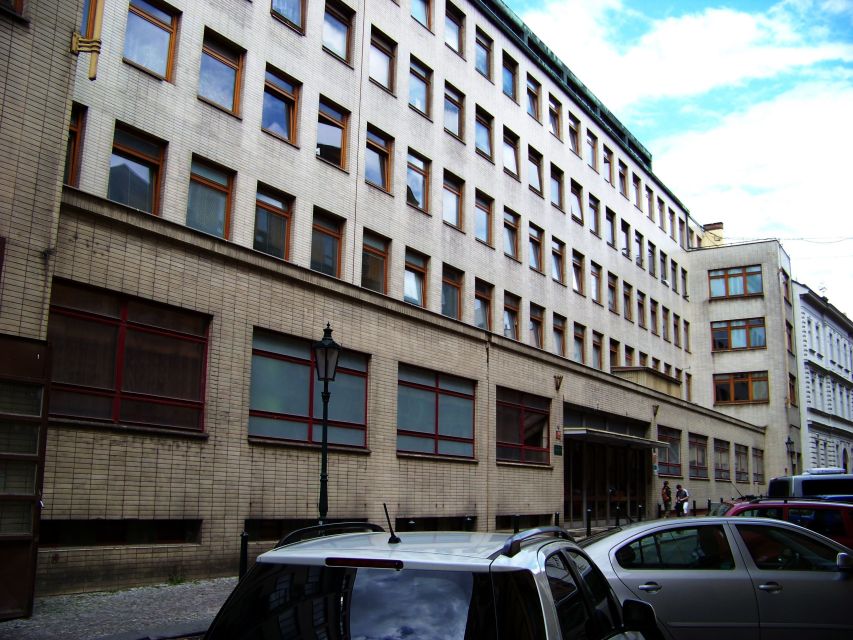
Communism lives in Prague’s streets. This 2-hour walk pulls you from history and theory of socialism/communism into real places, including the former secret communist police headquarters and other landmarks tied to repression and propaganda. I like that the guide grounds the story in what people believed and what institutions did, not just a list of dates, and I like that you can ask questions because the guide lived through the era.
One possible drawback: the experience depends a lot on how your specific guide handles the flow of the talk. If you are hoping for a perfectly paced lecture every minute, be aware that some departures can run less smoothly when the guide is distracted or dealing with day to day issues.
If you want a short, walkable way to understand how Czechoslovakia turned under communist rule, this is a strong fit, and it is wheelchair accessible. You can also choose a private group if you want a more personal pace.
Key points to know before you go
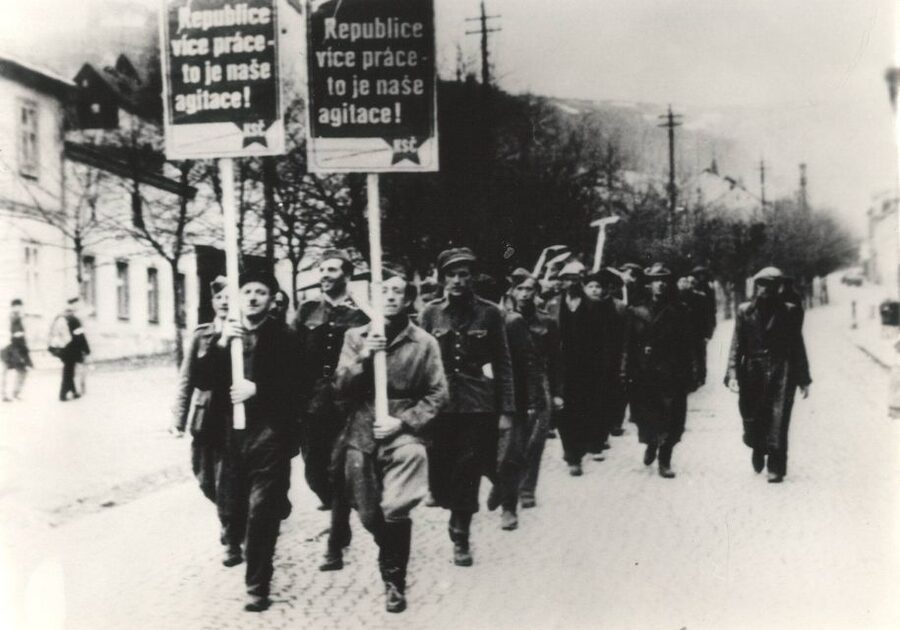
- Theory first, then street level facts: the tour starts with the rise and spread of socialism/communism before you see the sites.
- Local guides with firsthand perspective: you get stories on daily life under the system, not just abstract politics.
- Stops tied to fear, symbols, and power: you’ll see places connected to the secret police, the Stalin statue, and the communist party seats.
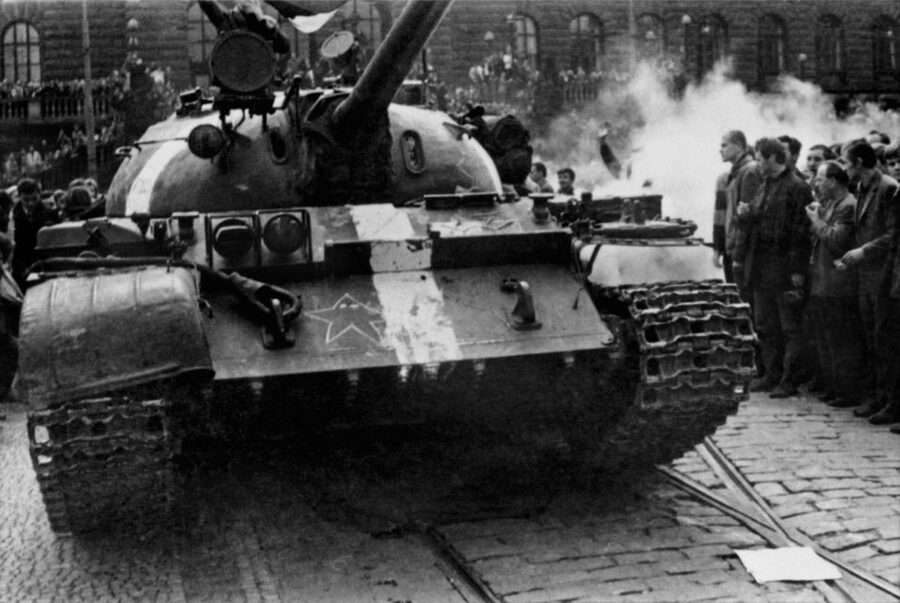
- Protests and Soviet occupation landmarks: demonstrations, rebellions, and revolutions are part of the route.
- Pros and cons, not one-sided storytelling: you hear arguments for and against the system, and discussion is encouraged.
- Plan for a no-big-bags walk: bring your ID and keep luggage minimal.
Why a 2-hour Prague communist walk is worth your time
Prague is known for castles, beer halls, and postcard streets. But if you want to understand why certain corners of the city still feel tense, you need context for the last century. This tour gives you that context quickly by connecting ideology to real buildings and public spaces.
The best part is the balance of topics. You are not just shown monuments or plaques. You get a guided explanation of how socialism/communism rose, spread across Central and Eastern Europe, and then shaped everyday life in Prague when it became part of former Czechoslovakia.
And since it is short, you can slot it in without wrecking your whole day. In about 1 to 2 hours, you can build a mental map that makes other Prague stops start to make sense too.
You can also read our reviews of more walking tours in Prague
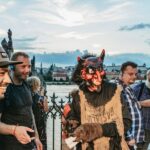
Starting at Na Příkopě, you get the political map before you walk
The meeting point can vary, with two common options around Na Příkopě 28 or Na Příkopě 864. That matters because the tour is tight, and being late can throw off the rhythm of the explanation.
Before the walking really starts, your guide gives you the framework. You hear about the rise of socialism/communism in the 19th century, then how it spread through Central and Eastern Europe. This early grounding is useful because the rest of the route will feel like a chain of cause and effect, not random stops.
You also get the promise that the tour will cover both the personal and the political side. You learn about key personalities, dates, and milestones, then you get the more human angle, what common life looked like and how people adapted.
It is also a good setup if you like to ask questions. The guide explicitly invites discussions, which is where a lot of the value comes from. You can steer toward what you want to understand more, like how propaganda worked or how repression showed up in daily routines.
Former secret communist police headquarters, where fear becomes architecture
One of the most important kinds of stops in this tour is the former secret communist police headquarters. Even if you do not know the exact details of every department name, you can feel the weight of the purpose behind the building.
This is not just about what happened in the past. It is about what secret police power does to a city in everyday life. When surveillance and control become normal, people change their behavior, their speech, their relationships, and even their sense of safety.
Your guide’s role here is crucial. They help you connect the building to what it represented during the Cold War years and beyond. You learn how that system functioned and why it was so effective, then you get stories about what it meant for ordinary people.
A practical note: expect the explanation to be anchored in the route and the buildings you see. This is a walking tour, so the guide’s talk is designed to match where you are standing.
The Stalin statue site, why propaganda is never just decoration
Another highlight is the former spot of the Stalin statue. This is the kind of place where symbols matter because they are public and repeatable. A statue is not just art. It is a message, and it signals who is supposed to dominate history.
Your guide uses the location to talk about personalities and major milestones, but they also point out the symbolism behind changing public landscapes. When regimes place large symbols in prominent areas, they are trying to reshape what people consider normal and permanent.
This stop also helps you understand why later changes can feel emotional for locals. You are seeing the physical trace of a political story, and that story shaped how people interpreted authority.
If you tend to focus on politics as ideas only, this stop is a reminder that power often operates through images, rituals, and visible reminders. You will leave with a sharper eye for how ideology tries to occupy public space.
Communist party seats, seeing how government becomes control
The tour includes places tied to the current and former seat of the Communist party. That is a big deal because party headquarters are where policy and messaging meet enforcement.
Here, you are likely to get a clear explanation of how the system tried to run society. Even if the political ideology sounds theoretical at first, the real-world effect is administrative. Decisions are made, people are categorized, and rules become everyday reality.
Your guide also frames the story with pros and cons. That does not mean it is a “both sides” dodge. It means you hear how the system sold itself, what benefits supporters believed it offered, and why critics saw the harms as structural.
This stop is where the tour can feel most intense, because it brings you close to the machinery of control. If you are sensitive to heavy political topics, pace yourself and lean on the guide’s discussion prompts to keep it conversational.
More Prague city tours, river trips, and Czech day trips to compare


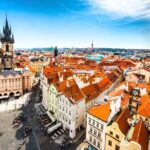
Protests, demonstrations, rebellions, and Soviet occupation streets
A big part of the route is built around unrest and resistance. You will see places connected to protests, demonstrations, rebellions, revolutions, and Soviet occupation.
This matters because it gives the story motion. You are not only watching how a regime establishes itself. You are also seeing how people pushed back, and how larger geopolitical forces shaped what could and could not change.
Your guide may explain how the Cold War survivors remember those years and what the street-level mood was like. That is where the tour becomes more than political trivia. You start to understand why certain neighborhoods, squares, or routes can feel heavier even now.
The description also notes that some areas still carry depression. You can treat that as a cue to slow down, look around, and listen to how the guide connects the physical environment to the emotional atmosphere of that period.
This portion is also likely to be where your questions come fastest. It is one thing to hear a timeline. It is another to connect that timeline to visible locations where people gathered, argued, and risked their futures.
Daily life under communism, pros and cons you can actually picture
The tour does something smart: it does not treat communist history as distant. It keeps coming back to common life, the routines people had, and the tradeoffs they faced.
You learn about the advantages as well as the disadvantages. That balanced approach helps you avoid the trap of only seeing slogans or only seeing oppression. You can understand why some people believed the system improved stability, while others experienced it as restriction.
This is also where a lived perspective shines. The tour is led by a local professional guide who lived through the era, and that kind of storytelling tends to answer questions that history books skip. For example, you might learn how daily choices were shaped by politics, or how people navigated fear in normal conversation.
One helpful detail in the tour design is the invitation to discussion. If you want to focus on Soviet influence, it is a good fit. If you want communism covered outside that Soviet shadow, you might find the tour leans heavily toward how the Soviet system affected Europe after World War II.
Either way, you should leave with clearer thinking. Not just what happened, but how people experienced it, and why that makes a difference when you look at present-day Prague.
Timing, walking pace, and what to bring for a smooth 1 to 2 hours
This is an efficient tour, planned for about 1 to 2 hours. That range is important because it affects how fast your guide will move and how much time you will spend at each stop for discussion.
Wear walking shoes. Even though Prague is manageable on foot, you will be outside moving between sites and listening at each one. You do not need marathon stamina, but you should be ready for a steady pace.
Bring a passport or ID card. The tour also states that luggage or large bags are not allowed, so keep your load light. If you are carrying a daypack, you are probably fine, but large items are a no.
Languages offered are Czech, English, and German, and the tour is a live guided experience. If you care about getting every nuance, confirm the language when you book.
The tour is also listed as wheelchair accessible. That is a big plus for mobility needs. Still, because it is a walking route, ask yourself if you can comfortably handle outdoor segments and standing time for explanations.
Price and value: is $50 for 2 hours fair?
At about $50 per person, you are paying for two things: a focused route and a guide who can connect theory to local lived reality. In practical terms, you are buying context that would take longer to piece together on your own.
For the value side, you get:
- A structured intro to socialism/communism so the landmarks make sense
- Major Prague sites tied to communist police power, party seats, propaganda symbols, and unrest
- A guide who can explain everyday life, including pros and cons
- Room for questions, which is where misunderstandings get corrected fast
The main reason this price can feel right is the time efficiency. Many museum-style history plans sprawl into half a day. This tour compresses the key connections into a short walk.
The risk is also tied to a short format. If you prefer deep topic specialization, you might want more time than a 2-hour loop. And because the experience depends on the guide’s delivery, a smooth talk matters.
I think this price is a good deal if you want a clear, guided political lens, not just an exterior sightseeing stroll.
Should you book the Prague Back to Communism walking tour?
I would book this tour if you want to understand Prague through the lens of 20th-century ideology and power. It is ideal when you like street-level history, want to see specific sites, and appreciate a guide who can explain how policies touched daily routines.
It is also a smart choice if you are the kind of traveler who likes to ask questions and compare viewpoints. The tour explicitly welcomes discussion, and you get both advantages and disadvantages, which helps you form your own judgment.
Skip it or rethink it if you only want a lighter, casual history walk with minimal political weight, or if you expect a wide sweep beyond the Soviet-centered experience. This route is clearly built around communist rule in Prague and the Soviet influence that shaped it.
If you go in with the right attitude, you will come away with something useful. Not just facts, but a better ability to read the city’s signals, from official architecture to public symbols and the places where people fought back.
FAQ
How long is the Prague 2-hour Back to Communism walking tour?
The tour duration is listed as 1 to 2 hours.
What does it cost?
The price is $50 per person.
Where do we meet?
The meeting point may vary depending on the option booked, with starting location options listed around Na Příkopě 28 and Na Příkopě 864.
What languages are available?
The live guide is available in Czech, English, and German.
Is the tour wheelchair accessible?
Yes, the tour is listed as wheelchair accessible.
Is a private group available?
Yes, private group options are available.
What should I bring, and what is not allowed?
Bring a passport or ID card. Luggage or large bags are not allowed.
Can I cancel for a refund, or pay later?
Free cancellation is available up to 24 hours in advance for a full refund. You can also reserve now and pay later, meaning you pay nothing today.
More Walking Tours in Prague
More Tours in Prague
More Tour Reviews in Prague
Not for you? Here's more nearby things to do in Prague we have reviewed






Communism & WWII History Tours, compared.
 ★ 4.7Communism History and Nuclear Bunker Guided TourFrom $442,417 reviews
 ★ 5.0Prague Communism History and Nuclear Bunker TourFrom $451,742 reviews
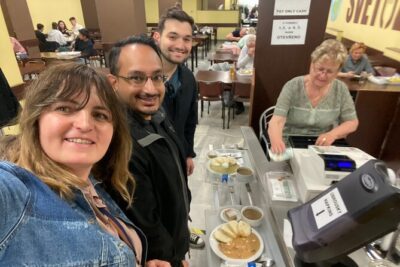 ★ 5.0Communism & Nuclear Bunker Tour + 70s Canteen Lunch (own expense)From $351,036 reviews
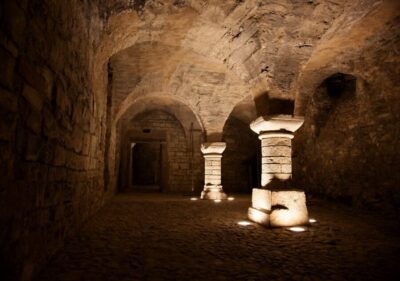 ★ 4.7WWII Guided Tour & The Crypt of Operation AnthropoidFrom $421,030 reviews
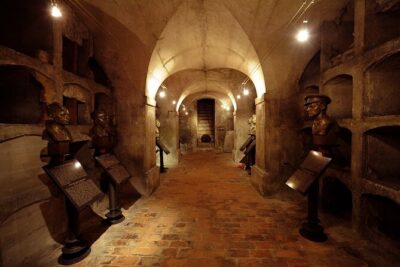 ★ 5.0WWII in Prague Tour & The Crypt of Operation AnthropoidFrom $43817 reviews
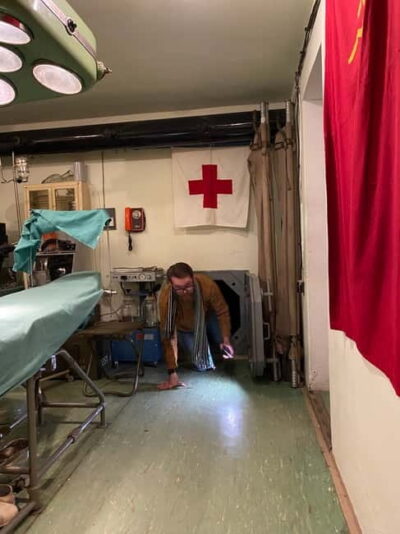 ★ 4.8Communism and Bunker Tour with 70s Canteen LunchFrom $33250 reviews
 ★ 5.0Small-Group World War 2 & Operation Anthropoid Tour in PragueFrom $33231 reviews
 ★ 4.8World War 2 and Operation Anthropoid Walking TourFrom $32193 reviews
Browse the lists this tour appears in