
REVIEW · COMMUNISM & WWII HISTORY TOURS
Prague: World War 2 and Operation Anthropoid Walking Tour
Prague has a way of making history feel close. This 3-hour WW2 walking tour uses the streets and landmarks around Prague’s center to explain Operation Anthropoid, the assassination of Reinhard Heydrich, and what the Czech resistance risked during the occupation. I love that it’s story-driven, with guides who turn names and dates into something you can picture right where you stand.
Two things I really like: you get a clear explanation of the key players and why the plot mattered, and you end at a site that hits emotionally, the Church of St. Cyril and Methodius memorial for the paratroopers. One drawback to flag up front is that it’s a lot of walking and it is not wheelchair accessible, so wear real walking shoes and plan for uneven old-town ground.
Key highlights you should plan around
- Operation Anthropoid explained in context, not just as a quiz question about dates
- Heydrich Terror memorial stop, tying the assassination to what followed
- Czech resistance hiding places and last stand locations, shown through the city’s layout
- A guided walk with time to ask questions, and guides who use visual aids like maps or photos on a tablet
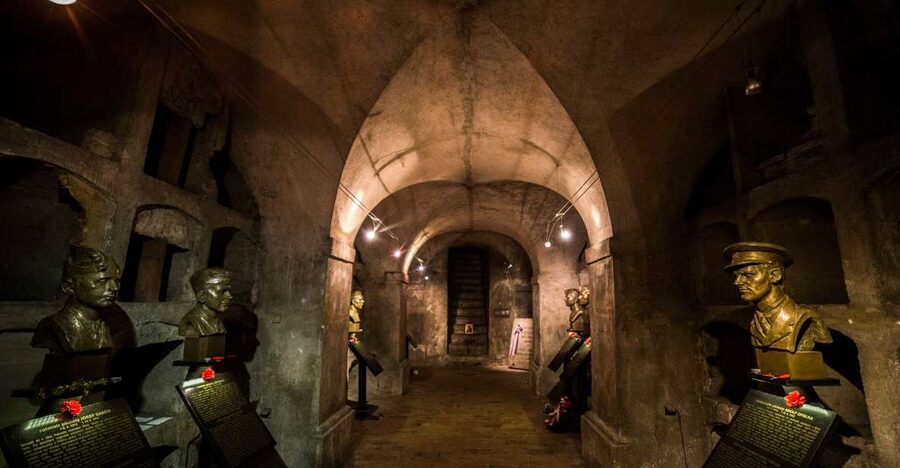
- An ending that feels like a pause, at the Church of St. Cyril and Methodius memorial site
Operation Anthropoid in Prague, why this walk hits
This tour is built around one of the best-known resistance operations of WWII, Operation Anthropoid, carried out by Czech paratroopers against Reinhard Heydrich. The story matters because Heydrich was one of the most feared officials in Nazi-occupied Europe, and the plot helped shape what happened next in Prague and across the occupation.
What I like is how the guide keeps connecting the dots. You do not just hear the assassination story. You also learn about the Czech resistance during the occupation, the way people hid, and the pressure that came from the student resistance and the early war years. The result is that Prague’s center stops feeling like “pretty streets plus a few plaques” and starts feeling like a real wartime map.
This is also a tour with an emotional finish. The ending at the Church of St. Cyril and Methodius memorial is not casual sightseeing. It’s a moment to absorb what people endured, and why hiding places and last stands were so dangerous.
You can also read our reviews of more walking tours in Prague
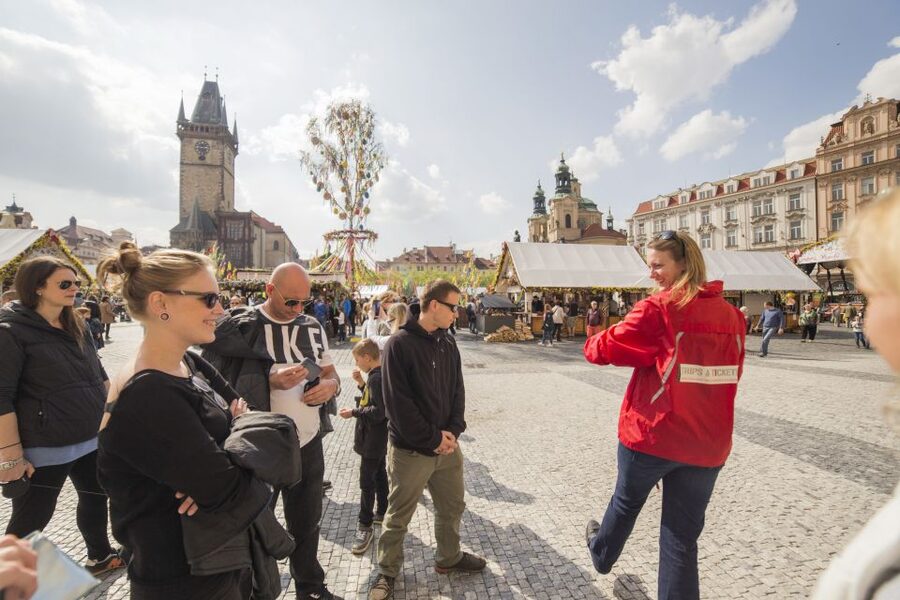
Starting point on Týnská, what to expect from the first minutes
You meet at 7, Týnská 627/7, in front of the building. A simple way to find it: once you are behind Týn Cathedral, turn left onto Týnská Street, and look for the wooden door of house number 7.
That first stretch sets the tone. Expect the guide to frame the operation and the city layout early, so the rest of the walk makes sense instead of feeling like separate stops. If you want to get the most out of the tour, arrive a few minutes early, settle your phone map, and be ready to listen.
Practical note: the tour lasts about 3 hours and runs in English. There is no hotel pick-up, so you will be relying on your own legs and local transit if you’re staying elsewhere. The group can be private, and the tour has a minimum of 2 guests, which often helps keep the pace human.
Bring comfortable shoes. This is not a sit-and-stare tour, and the route is in areas with old-stone sidewalks.
The Old Town sequence: Dům U Kamenného zvonu and Celetná
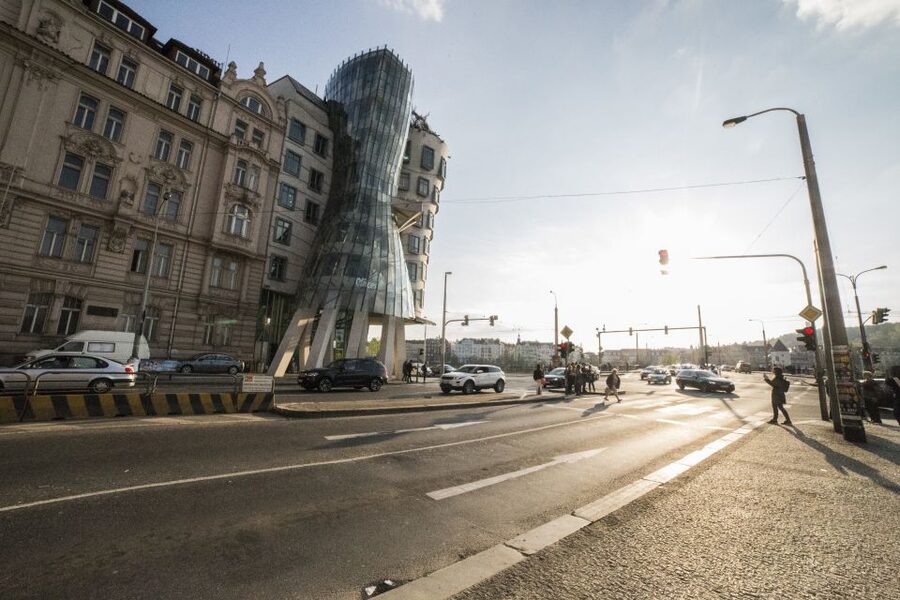
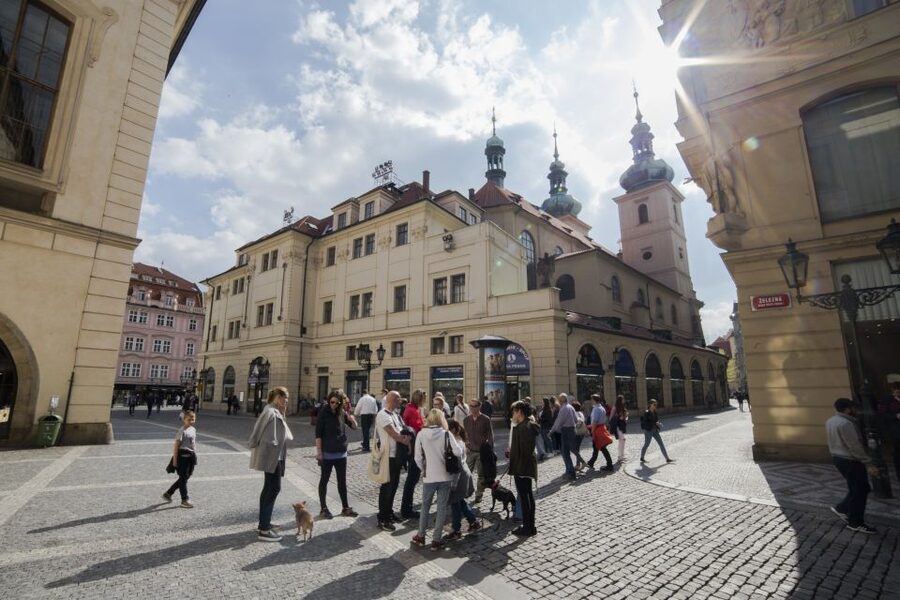
The walk begins through the Old Town atmosphere, starting at Dům U Kamenného zvonu and then continuing toward Celetná. These stops work because they are less about one single battlefield marker and more about context. The guide uses the buildings and street sightlines to explain how Prague functioned under occupation, where people moved, and how resistance networks had to think quietly.
On a tour like this, street names matter, but how they are explained matters even more. Good guides pace the story so you understand who was acting, who was hiding, and what could go wrong. In recent experiences, guides like Allen and Richard have been praised for being easy to communicate with and for using tools like maps, diagrams, and photos to keep complex plans clear.
If you are the type who likes specifics, ask your guide to explain the roles behind the operation. The best part is that the walk gives you a chance to ask follow-ups as you move, rather than losing the chance at the end.
This part of the tour is also a good test of whether the walking rhythm will work for you. If you are comfortable with city strolling, you will likely be fine.
Wenceslas Square and the power symbols, then Petschek Palace
Next up is Wenceslas Square. Even if you already know it as a major Prague landmark, the tour angle changes how you see it. The guide uses this kind of prominent public space to talk about how WWII events played out in a city where visibility was unavoidable.
From there you move into another key architectural stop, Petschek Palace. The palace setting is useful because it gives the story a sense of scale. Occupation was not only about danger in alleys. It was also about power concentrated in institutions and buildings that shaped daily life.
This is one of the moments where your guide’s communication style can make or break your experience. Many people highlighted that guides were not just information sources, but story tellers who made the history feel like a journey. Guides such as Daniel and Martin were described as interactive and enthusiastic, the kind of guides who help you picture what mattered, not only what happened.
If you tend to zone out during lectures, this section can still work because you have constant visual prompts. You are walking from place to place while the guide explains what was at stake.
Charles Square and the resistance map you start to feel
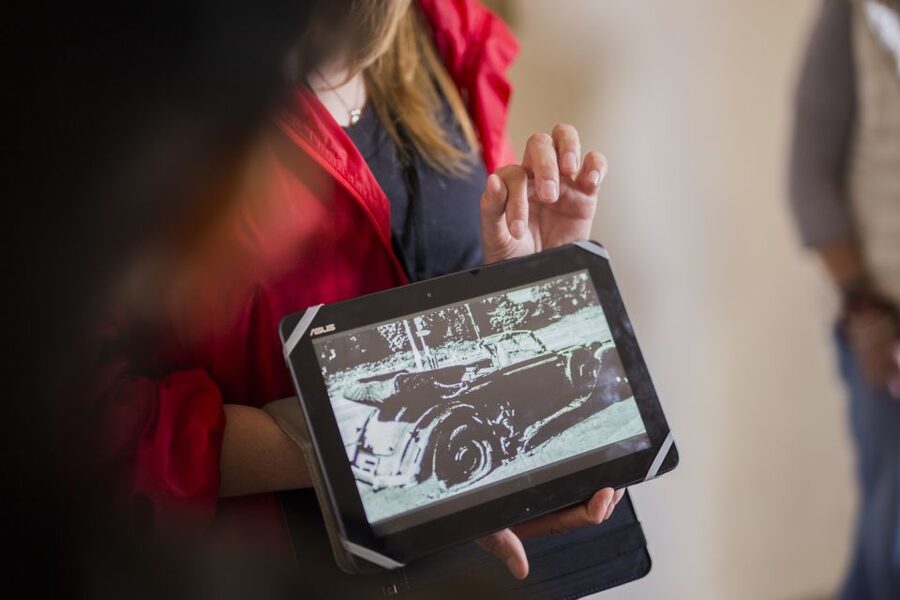
Charles Square, Prague is the kind of stop where the tour can feel like it clicks. By this point, the operation story has enough background that you can start seeing the logic behind the resistance choices. Why certain areas mattered. Why certain hiding places were possible. Why some people risked their lives anyway.
This is where the tour becomes more than a single assassination narrative. You begin to understand the broader resistance environment, including how occupation changed behavior and how courage showed up in different ways. It also sets you up for the finale, where the tour shifts from explanation into remembrance.
One thing I like about this section is pace control. In experiences with strong guides, the walking never feels like a forced commute. It feels like a path through a wartime puzzle.

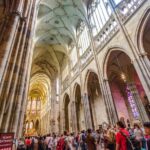
Church of St. Cyril and Methodius, the memorial finale
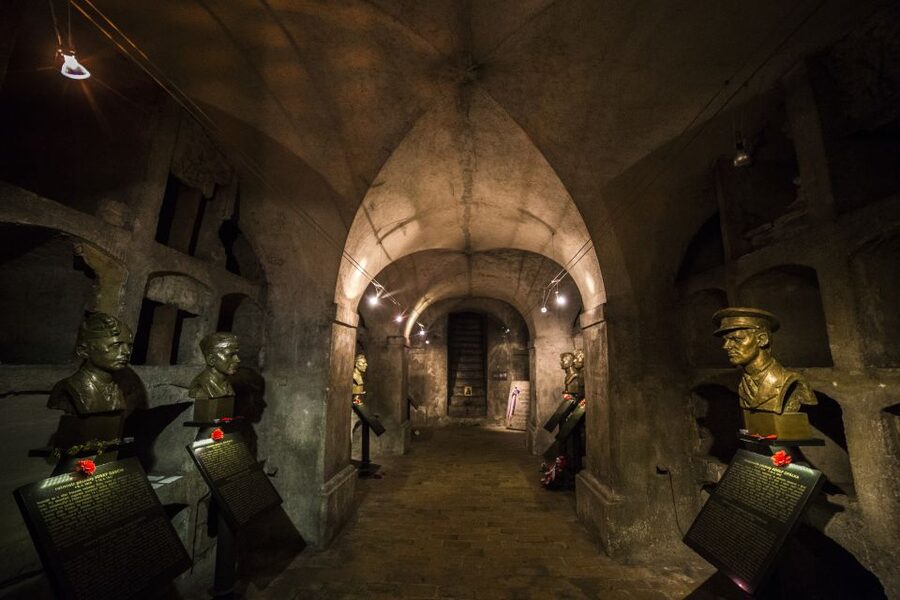
The tour’s ending is at Saints Cyril and Methodius Cathedral, and it culminates at the memorial site associated with the Church of St. Cyril and Methodius. This is where the tour becomes genuinely moving.
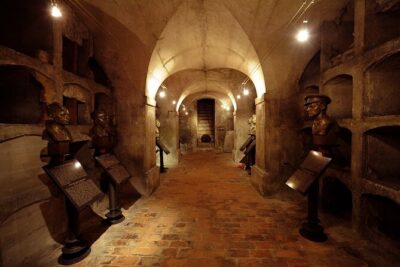
The church visit matters because it is described as the location tied to the Czech paratroopers resistance, including what was essentially their last hiding place. People also specifically praise the tour for access to the crypt area under the church, which adds a physical sense of closure to the story.
The memorial angle is equally important. The tour doesn’t treat the operation as an isolated act of bravery. It frames it inside the consequences of occupation and the brutal response that followed.
In the final moments, you get time to contemplate Prague’s tragic WWII history before heading back toward the Old Town. That pause is not a filler. It’s part of the design.
The Heydrich Terror memorial stop, what you learn between the stones
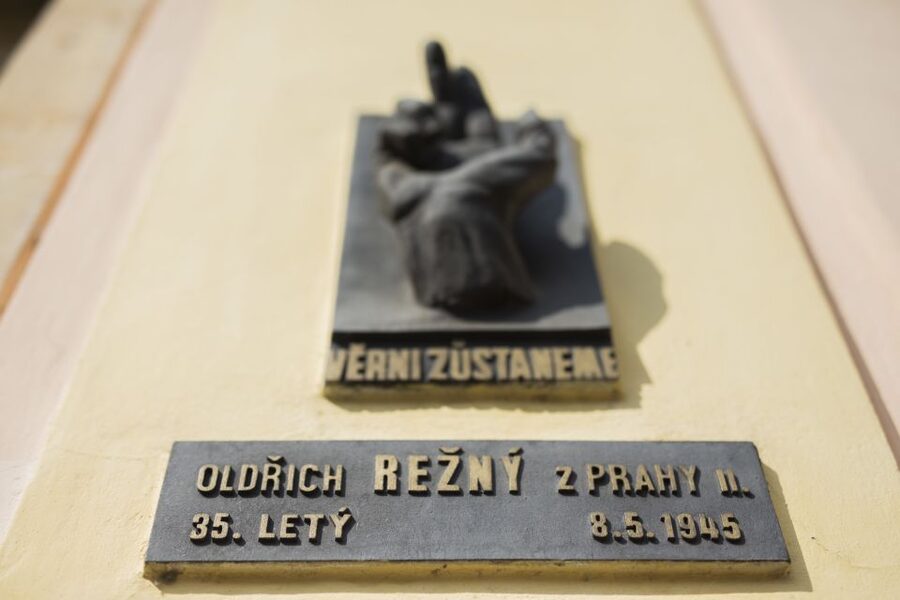
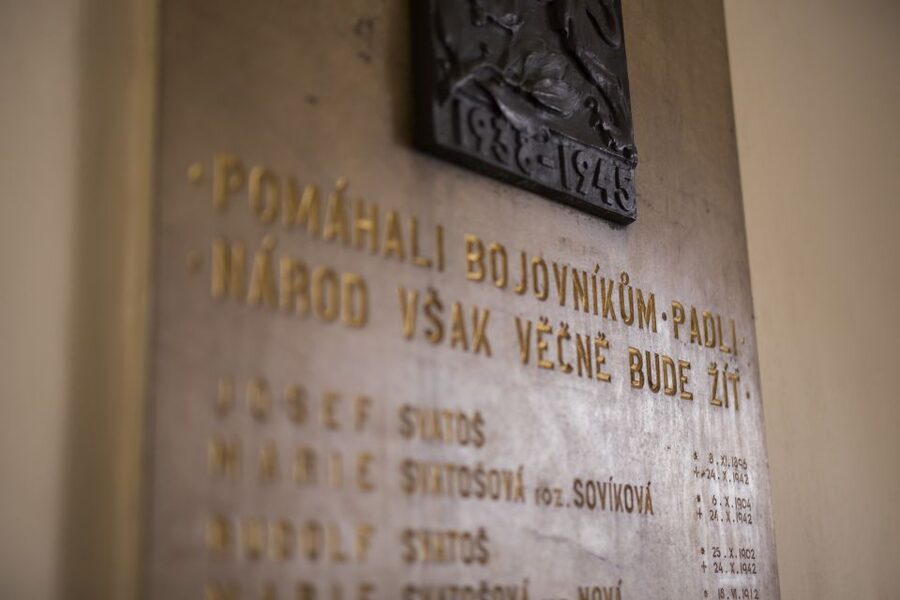
Before the final church visit, the tour includes the National Memorial to the Heroes of the Heydrich Terror. This stop helps connect the assassination to the aftermath. You see how quickly resistance efforts were met with retaliation and fear.
Why this works so well is because it keeps the story honest. The operation is only one part. Understanding what followed gives your brain the full picture of what people faced.
This also ties back to what guides do well on this tour. Many people praised guides for being both passionate and able to answer curveball questions. If you want to make the most of the time, this is the best moment to ask how the operation changed the occupation atmosphere in Prague.
Price and timing, is it good value for Prague?
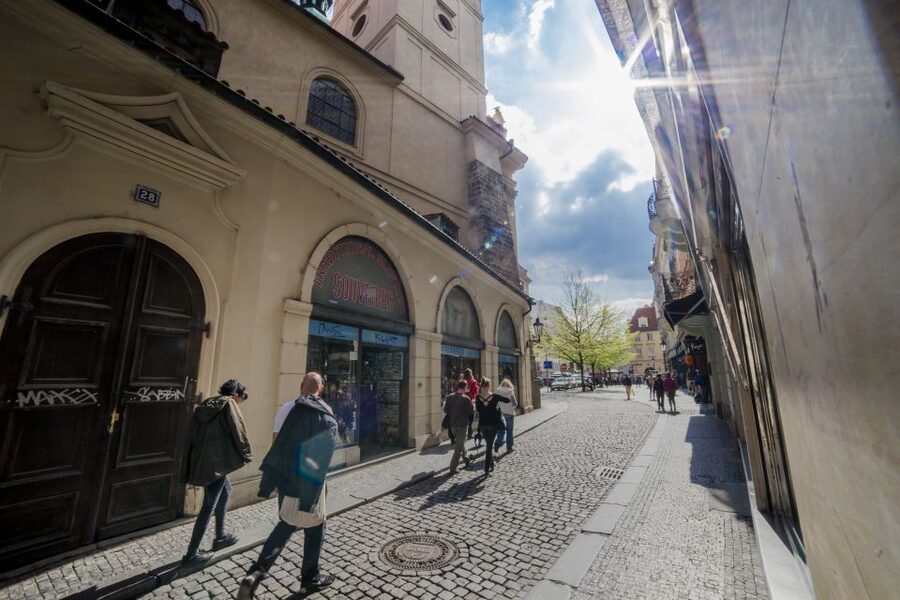
At $32 per person and about 3 hours, this tour is priced like a solid “value history experience” rather than a long luxury production. The price feels fair because you get three things at once: a guided walk through central Prague, a focused WWII narrative centered on Operation Anthropoid, and a meaningful memorial-site ending.
Is it a bargain? For some budget travelers, yes, because it covers a lot of ground and ends at a site that most people would not connect to WWII resistance without a guide. It’s also less time than some full-day history outings, which matters if you want room for other Prague classics afterward.
Who should do it:
- You like history that uses real locations, not just museum facts
- You care about WWII beyond the big Western front headlines
- You want a guided story with chances to ask questions
Who might skip it:
- If you dislike walking or hate memorial sites, the experience may feel too intense
- If you only want light, surface-level sightseeing, this is likely not your style
Should you book the Prague Operation Anthropoid walking tour?
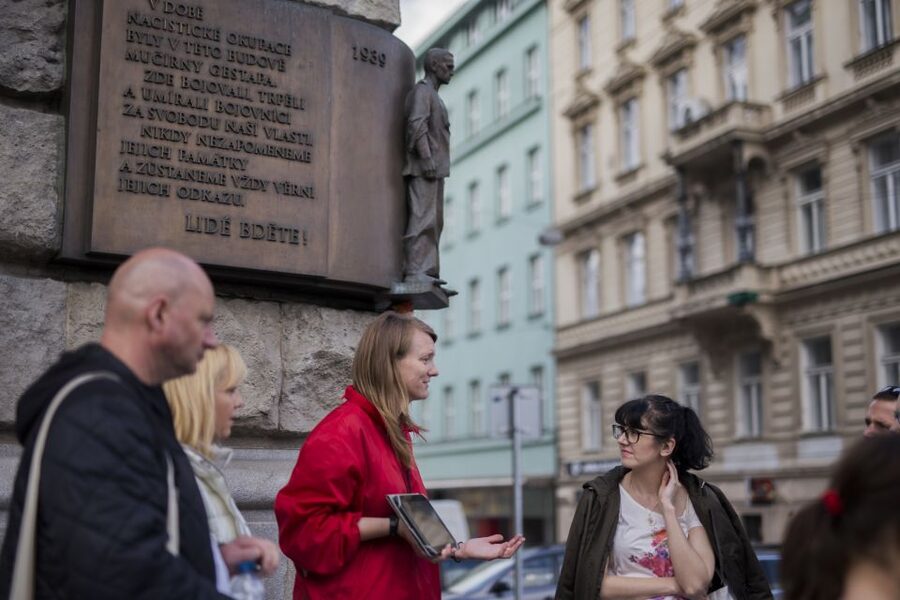
I’d book it if you want Prague history to feel specific and grounded. The combination of Operation Anthropoid, the Heydrich Terror memorial, and the ending at St. Cyril and Methodius gives you a narrative arc that many city tours do not manage in only 3 hours.
Do it especially if you appreciate guides who tell stories clearly and make space for questions. People have mentioned standout guides like Allen, Richard, Daniel, and Martin for enthusiasm, clarity, and interactive explaining, and those traits really matter on a WWII topic where details can easily blur.
Only hold off if you know you cannot handle walking old-town streets or you need wheelchair accessibility. Otherwise, it’s one of the best ways to understand why this part of Prague’s WWII story still matters.
FAQ
How long is the Prague WW2 and Operation Anthropoid walking tour?
It lasts 3 hours.
What does the tour include?
It includes a local guide and a visit to the Church of St. Cyril and Methodius, described as the location of the last resistance of Czech paratroopers.
Where does the tour start?
The meeting point is at 7, Týnská 627/7, in front of the building. The directions are to turn left onto Týnská Street after you are behind Týn Cathedral, then find the wooden door of house number 7.
Is this tour wheelchair accessible?
No, it is not wheelchair accessible.
Is the tour stroller accessible?
Yes, it is stroller accessible.
What languages is the tour offered in?
The tour is offered in English.
More Walking Tours in Prague
More Tours in Prague
More Tour Reviews in Prague
Not for you? Here's more nearby things to do in Prague we have reviewed






Communism & WWII History Tours, compared.
 ★ 4.7Communism History and Nuclear Bunker Guided TourFrom $442,417 reviews
 ★ 5.0Prague Communism History and Nuclear Bunker TourFrom $451,742 reviews
 ★ 5.0Communism & Nuclear Bunker Tour + 70s Canteen Lunch (own expense)From $351,036 reviews
 ★ 4.7WWII Guided Tour & The Crypt of Operation AnthropoidFrom $421,030 reviews
 ★ 5.0WWII in Prague Tour & The Crypt of Operation AnthropoidFrom $43817 reviews
 ★ 4.8Communism and Bunker Tour with 70s Canteen LunchFrom $33250 reviews
 ★ 5.0Small-Group World War 2 & Operation Anthropoid Tour in PragueFrom $33231 reviews
 ★ 4.7World War II and Communist History TourFrom $34130 reviews
Browse the lists this tour appears in