
REVIEW · COMMUNISM & WWII HISTORY TOURS
Second World War & Communism (Tip-based 3 hour tour)
Prague gets heavy fast on this WWII and Communism walk. You follow a clear street-level timeline, from Nazi occupation and the fate of Czech Jews to the Prague Uprising, the Warsaw Pact in 1968, and the Velvet Revolution. Two things I especially like: the chronological storyline and the mix of major sites plus quieter memorials, so you understand what happened and why it still echoes. One thing to consider is the pace and walking, since it’s geared for people with moderate fitness and it is not recommended if you have mobility challenges.
This is also one of those rare tours that doesn’t stop at slogans. You’ll move from public squares to places tied to resistance and survival, then finish with the Operation Anthropoid story at the site’s crypt. The guide lineup matters here, and names like Kamil, Vaclav, and Katarina show up in the feedback, with comments about clear, linear storytelling that keeps you oriented. Because it is tip-based, your base price feels more like a ticket, and you’ll likely decide what to add based on what you think the experience was worth.
Key highlights worth your attention
- WWII to Cold War in one continuous route, built around Prague’s most meaningful locations
- Pinkas Synagogue stop, focused on the fate of Czech Jewish communities during WWII
- Prague Uprising and 1968 invasion context, tying the end of WWII to the rise of Communism
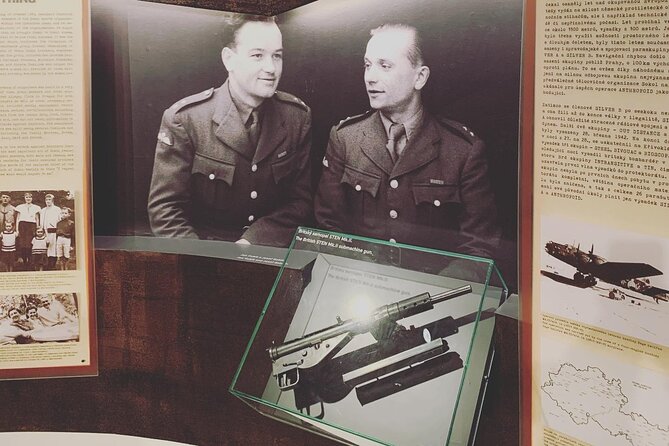
- Free entry to the Museum of the Anthropoid Operation, with the tour ending at a related crypt hideout
- Guide style that aims for clarity and suspense, so the story feels easy to track
- Art under Communism, including the Rotating Head of Kafka at OC Quadrio
A 3-hour timeline you can actually follow on foot
This tour works because it is not a random-hit parade of landmarks. You cover a tight, walkable slice of Prague and keep returning to one question: what choices shaped the country, and what did those choices cost? The route is laid out as a sequence of turning points, so even if you only know fragments of Czech and European 20th-century history, the story connects fast.
I also like that it’s designed to be practical for a normal visit. It runs about 3 hours, it is offered in English, and you get a mobile ticket. It ends with a meaningful physical tie-in to Operation Anthropoid, instead of just letting you drift back to the busy streets.
The main tradeoff is that it covers several stops, including memorials and outdoor areas. If your mobility is limited, this may feel like more than a casual stroll. And if you are traveling with pets, service animals are allowed, but animals are not allowed inside the war memorial visited at the end.
More Prague city tours, river trips, and Czech day trips to compare
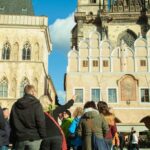
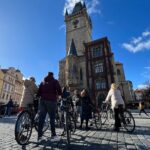
Getting started at Klárov: Resistance memorials as a first chapter
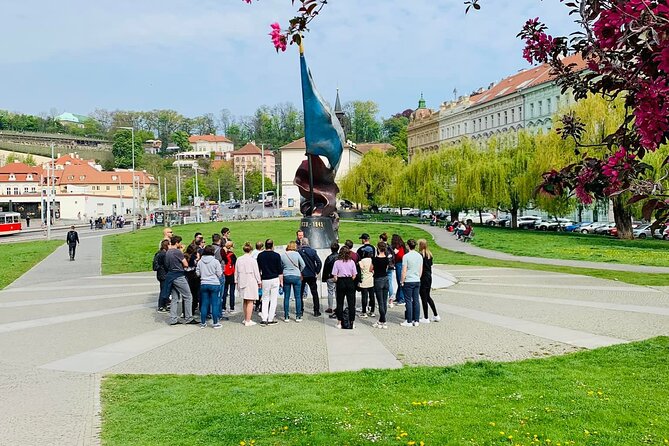
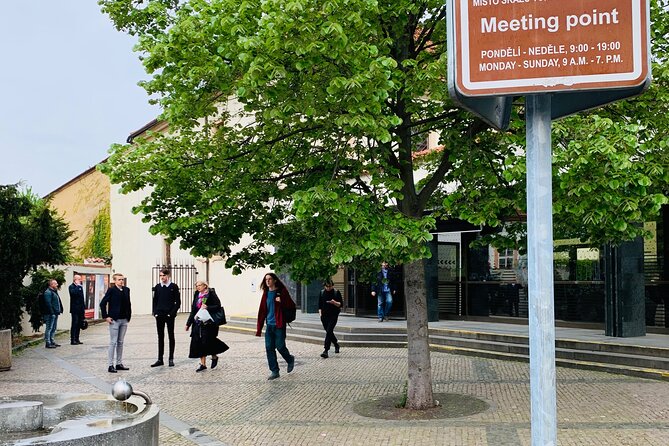
You begin at Metrocafe Klárov (Klárov area). This opening matters because the tour does not start with a king or a palace. It starts with resistance, specifically at two monuments in Klarov: the Memorial to the Second Resistance and the Winged Lion Memorial.
From there, the guide sets the frame in a way that keeps the rest of the tour from feeling like disconnected plaques. You hear how Czechoslovakia gained independence after the First World War, why it became one of the early targets of Hitler’s expansion, and what happened to Czechoslovak soldiers during WWII.
Why it works for you: starting with resistance and occupation themes makes the later stops click. You are not just collecting facts, you’re building a mental map of how Czech history moved from independence into wartime devastation and organized pushback.
Practical note: this first segment is about 20 minutes, and the stop itself includes memorial spaces. Expect a guided overview more than a slow museum-like browse.
Pinkas Synagogue: the WWII story focused on Czech Jewish fate
Next is Pinkas Synagogue, one of the most direct emotional stops on the route. Here, the tour focuses on the fate of Czech Jewish people, what happened to those who managed to emigrate, and what happened to those who didn’t.
Even with a relatively short visit, this stop changes the emotional temperature of the entire tour. The point is not to turn tragedy into trivia. The tour keeps the story personal enough to feel real, while still giving you the broader picture of what WWII did to Czech Jewish communities.
Time on site is about 15 minutes. If you like your history with a little structure, you’ll probably appreciate how the guide uses this stop as a pivot point: from the general story of occupation and resistance, you move into the specific human outcomes of Nazi policy and the choices people tried to make.
If you’re sensitive to heavy material, this is the stop where you’ll feel it first. Plan your energy accordingly, and if you need a slower moment, take it before you move on to the public squares.
Old Town Square and the Prague Uprising, then Wenceslas Square and 1968
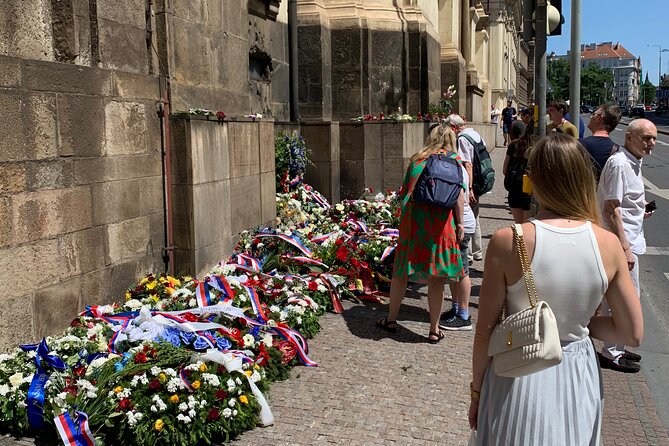
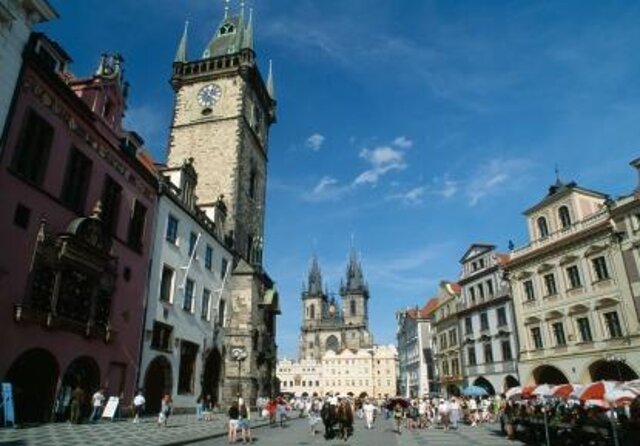
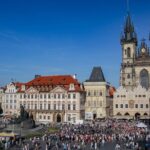
The tour then heads to Staroměstské náměstí (Old Town Square), near the Old Town Hall. This is where you connect WWII to the uprising that shook Prague toward the end of the war. You’ll hear the story of the Prague Uprising and then how the end of WWII set the stage for the rise of Communism in Czechoslovakia.
This stop is about 20 minutes, and it is especially useful if you often see Prague as a medieval postcard. Here, the guide brings the same square into a much newer frame, showing that these public spaces also held modern political stakes.
Then it moves to Wenceslas Square, and the tour expands the timeline into the Cold War era. You’ll hear what happened after Communism started in Czechoslovakia, why Warsaw Pact armies invaded in 1968, and where Jan Palach’s self-immolation took place.
Time on this stop is also about 20 minutes. It’s a strong pairing with Staroměstské náměstí because it gives you a cause-and-effect feel. The guide ties the end of WWII to the later crackdown, instead of treating them like separate historical boxes.
What you’ll like if you’re a history buff: this portion makes you see how quickly European politics shifted from war to occupation to ideological control. It’s one of the best parts for turning dates into a storyline.
Kafka and art under Communism at OC Quadrio
Next up is OC Quadrio, where you’ll see the Rotating Head of Kafka. This is a quick stop at about 15 minutes, but it’s not just a quirky photo spot.
The tour uses it to talk about art during Communism, helping you understand that cultural life was not happening in a vacuum. Even if the guide keeps it high-level, the goal is to show how art, public life, and politics rubbed against each other.
Why this stop is valuable for you: after the harder WWII and repression topics, it gives your brain a chance to process history through culture instead of only through violence and politics. If you care about how governments shape what people create and what people are allowed to say, you’ll likely enjoy this angle.
If you just want scenic Prague, it might feel more educational than aesthetic. But if you like a balanced story, it fits.
Narodni Trída and the Velvet Revolution: the fall you can touch
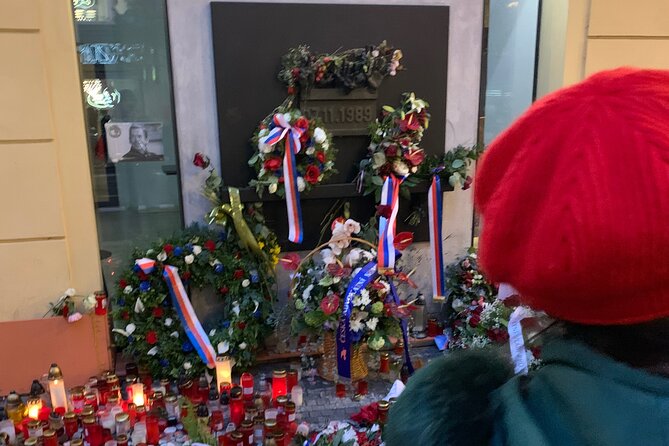
At Narodni Trída, you’ll see the hands reaching out of the wall. This is where the tour pivots from the hard facts of occupation and control to the turning point of the Velvet Revolution and the fall of communism.
Time is about 15 minutes, and the location is memorable because it’s symbolic. You’re not staring at a textbook timeline, you’re standing in a place tied to the feeling of change.
This segment is worth your attention because it connects the earlier tension to a real, modern outcome. If you’ve wondered how Czechoslovakia moved from resistance and repression into reform, this is where you get the clearest through-line.
National Theater and Vaclav Havel: from protest to presidency
From Narodni Trída, the tour continues to the National Theater for about 10 minutes. Here, you’ll learn about Vaclav Havel, including his role as the first president of Czechoslovakia after the fall of communism and how that leadership connects back to the Velvet Revolution.
Why this works: it puts a name and a consequence on the abstract idea of revolution. You are not only hearing about street movements, you’re hearing how change turned into a political direction.
If you like the human side of politics, this is a good stop. It’s short, but it gives you a clean anchor point for what happened next.
Dancing House and the Valentine’s Day bombing
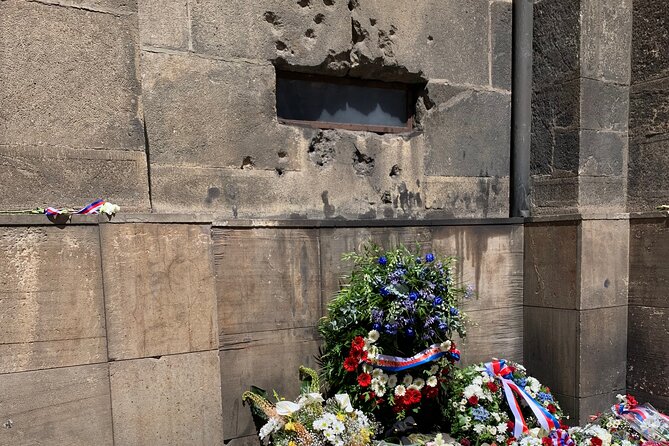
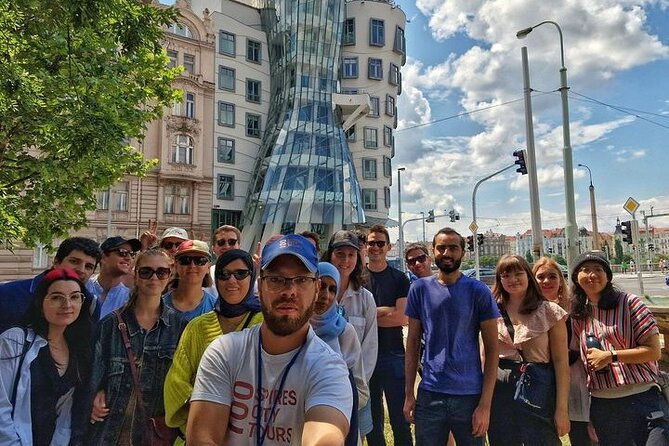
Another quick cultural landmark follows: the Dancing House. Here, the tour shares the story of the Valentine’s Day bombing, with about 10 minutes allotted.
This stop may be the most “Prague postcard” moment of the tour, and that contrast is part of the point. You look at a visually distinctive building, and the guide ties it to a wartime event. It’s a reminder that architecture you see today often sits on top of much older wounds and turning points.
If you are the type who loves learning why a place looks the way it does, this is a decent payoff. If you’re expecting a long site visit, keep your expectations modest, since it is brief.
St Cyril and St Methodius Cathedral and Operation Anthropoid’s crypt ending
The finale is at St Cyril and St Methodius Cathedral. This is the stop where the tour lands on Operation Anthropoid, described as the most important achievement of Czech resistance during WWII.
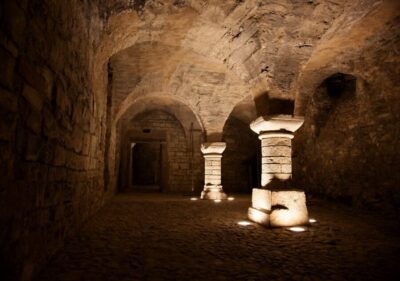
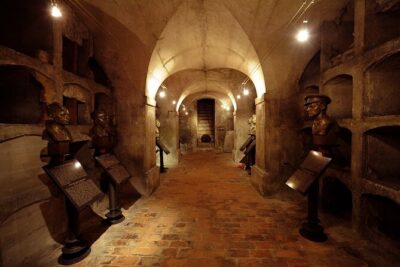
Time here is about 20 minutes, and the tour ends in the crypt, which is described as the hideout of soldiers connected to the Anthropoid operation. The crypt is about a 1 minute walk from the Dancing House or Charles Square, which makes the ending easy to connect to the rest of your day.
This is also where the tour’s included element matters most: you get free entry to the Museum of the Anthropoid Operation.
Why the ending feels satisfying: earlier stops introduce themes like independence, occupation, Jewish fate, uprising, Communism, and resistance. Ending with Operation Anthropoid gives you a resolution that is concrete and place-based.
Important note for your planning: the data says animals are not allowed inside the war memorial visited at the end. Service animals are allowed, but if you have a non-service pet, plan for that restriction ahead of time.
Price and value: $3.60 base in a tip-based structure
The price shown is $3.60 per person, and this is a tip-based tour style. That combination is worth thinking about.
At this base price, you’re not paying for a museum ticket or a long coach ride. You’re paying for guide-led storytelling in English plus the included free entry to the Museum of the Anthropoid Operation. In other words, your value comes from interpretation, not from expensive logistics.
And because it is tip-based, the experience you get depends on your guide’s pace and your own interest level. The feedback around guides like Kamil and Katarina highlights clear, structured storytelling and first-hand accounts of life under Communism, plus a suspenseful narrative style. If you’re the kind of traveler who responds well to a guided story arc, you will likely feel this tour is worth adding extra.
One consideration: because this tour is short and site-based, it moves. You should be comfortable with quick stops and frequent re-orientation. If you want slow, independent museum time, you may prefer adding a separate self-guided stop afterward.
What the guide style can do for you on hard history
A lot of WWII and Cold War tours risk becoming a lecture. This one aims for something closer to narrative order.
In the feedback you can see patterns: guides are praised for being clear and linear as you move throughout the city. Names like Kamil, Vaclav, Katarina, and Kuba show up with comments about passion, competence, and the way they keep the story moving without losing you.
If you’re worried about getting overwhelmed, that’s where the structure helps. The tour is built around repeated turning points, so you can connect the dots even if you only know a little.
Also, because it is in English and offered as a private activity only for your group, it usually gives you room to stay together and focus on the story rather than bouncing between larger crowds.
When this tour is the best match
You’ll probably love this tour if:
- You want a short Prague history route that goes beyond the Castle and Old Town scenes.
- WWII and the Cold War are your focus, especially Czech resistance and what happened after 1945.
- You like learning how public places, memorials, and art connect to politics.
You might want to skip or add something else if:
- You prefer large, in-depth museum time over guided outdoor stops.
- You have mobility limits, since it is not recommended for people with mobility problems.
Tip for planning your day: because the route is in central areas and the ending is near Charles Square and the Dancing House area, you can usually roll right into a meal or another short walk after you finish.
Should you book this Second World War and Communism tour?
Book it if you want one practical, structured way to understand Prague’s 20th-century story, from WWII into Communism and out again. The highlight for me is the way the tour links major public moments (Prague Uprising, 1968, Jan Palach, Velvet Revolution) with place-based conclusions at Operation Anthropoid and the crypt ending.
Skip it if you only want scenic sightseeing or you need a slow, museum-heavy pace. This tour is built for people who like their history organized, human, and tied to real locations you can stand in.
FAQ
What is the duration of the Second World War and Communism tour in Prague?
The tour lasts about 3 hours.
Is the tour offered in English?
Yes. The certified guide provides the tour in English.
What is included in the tour price?
The tour includes a certified in-person English guide, and free entry to the Museum of the Anthropoid Operation.
Where does the tour start and end?
It starts at Metrocafe Klárov, MetrocafeKlárov 51, 118 00 Praha 1-Malá Strana. It ends at the Orthodox Cathedral of Saints Cyril and Methodius, Resslova 9a, 120 00 Praha 2-Nové Město, in the crypt.
Is this tour suitable for people with mobility problems?
It is not recommended for travelers with mobility problems. The tour notes a moderate physical fitness level.
Can I get a refund if I cancel?
Yes. There is free cancellation, and you can cancel up to 24 hours in advance for a full refund.
More 3-Hour Experiences in Prague

More Tours in Prague
More Tour Reviews in Prague
Not for you? Here's more nearby things to do in Prague we have reviewed






Communism & WWII History Tours, compared.
 ★ 4.7Communism History and Nuclear Bunker Guided TourFrom $442,417 reviews
 ★ 5.0Prague Communism History and Nuclear Bunker TourFrom $451,742 reviews
 ★ 5.0Communism & Nuclear Bunker Tour + 70s Canteen Lunch (own expense)From $351,036 reviews
 ★ 4.7WWII Guided Tour & The Crypt of Operation AnthropoidFrom $421,030 reviews
 ★ 5.0WWII in Prague Tour & The Crypt of Operation AnthropoidFrom $43817 reviews
 ★ 4.8Communism and Bunker Tour with 70s Canteen LunchFrom $33250 reviews
 ★ 5.0Small-Group World War 2 & Operation Anthropoid Tour in PragueFrom $33231 reviews
 ★ 4.8World War 2 and Operation Anthropoid Walking TourFrom $32193 reviews
Browse the lists this tour appears in