
REVIEW · COMMUNISM & WWII HISTORY TOURS
Prague: Historical Walking Tour with Focus on World War 2
WW2 in Prague hits different. This 3-hour walk gives you context first, then sends you to the places where the story actually happened. I liked how it mixes Czech history with the big events, so the names and dates have weight instead of feeling like trivia.
Two things I really enjoyed: the minute of silence at the former Gestapo headquarters memorial, and the way the guide uses photos plus professional commentary to make each stop easier to understand on the street. It feels respectful, but never stuffy.
One consideration: the pace can be a lot to take in if you prefer slow, long explanations at each spot. Some key sites get a strong overview, but not everyone will feel they got maximum detail on every tourist landmark.
Key highlights you should care about
- WW2 explained with Czech context, not just generic Europe-wide talking points
- A guided photo walkthrough, so you can connect what you see with what happened
- A respectful minute of silence at the memorial connected to the Gestapo
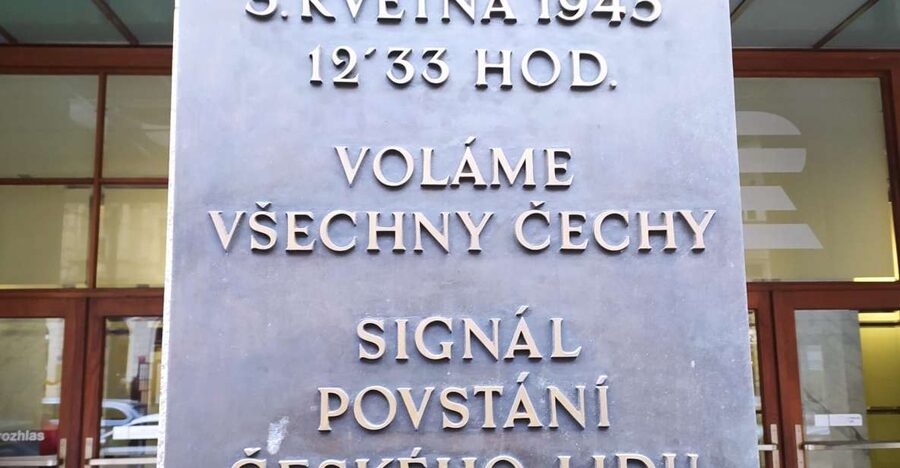
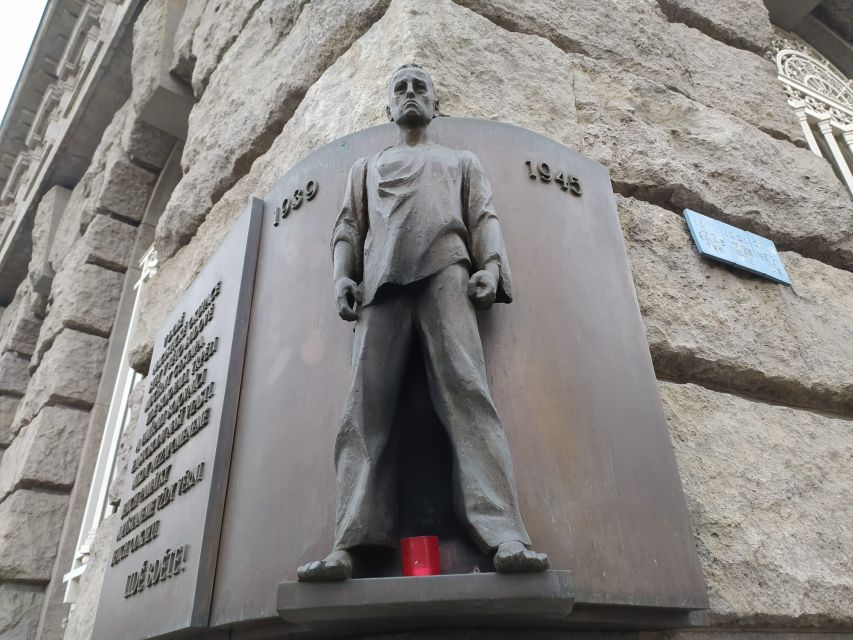
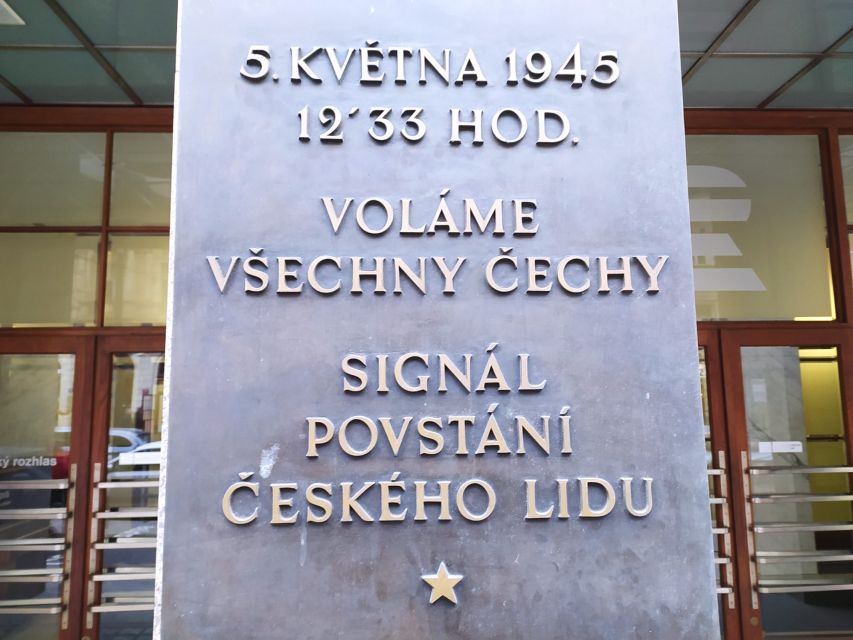
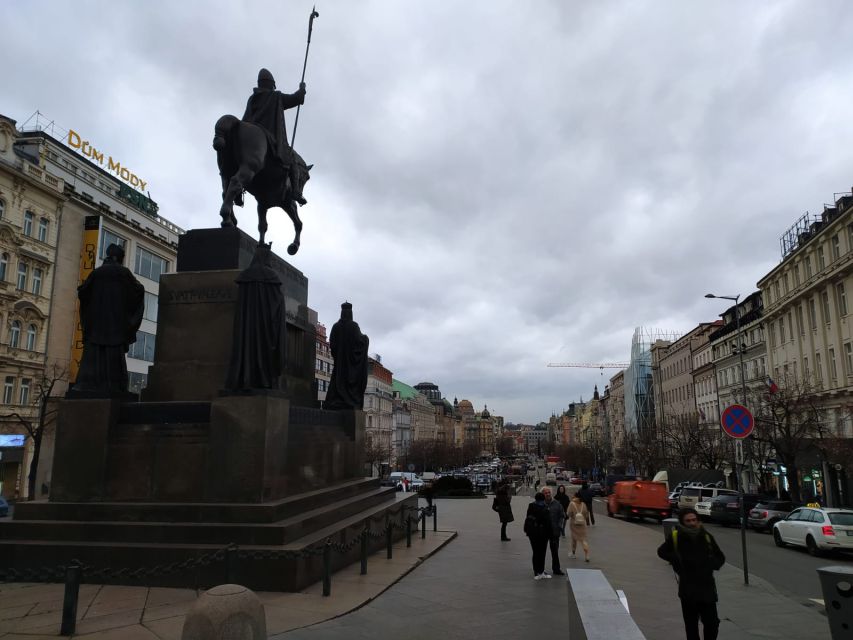
- Prague Uprising battleground stops, including Old Town Square, Wenceslas Square, and Czech Radio
- Heydrich assassination focus, plus a visit to the final resistance site
- A memorable crypt beneath a church, tied to the resistance members’ last stand
Why this WW2 walking tour works in Prague
Prague is famous for its old streets, towers, and easy photo stops. But when you turn those views into a timeline of WW2 events, the city becomes something else. This tour leans into the hard parts, and it does it in a way that makes sense on foot, not just in a classroom.
What I like is the structure. You start with a theoretical introduction that sets the problem, the political pressure, and the Czech reality during the era. Then you get out and physically stand where events unfolded. You are not just looking at buildings, you are learning to read the city like evidence.
The guide is a licensed local and works in German, Czech, and English. In past private tours, the experience felt personal too, with guides like Petr sharing impressions from growing up in Prague. That adds a human layer to heavy material, without turning it into a lecture that forgets you are walking outside.
You can also read our reviews of more walking tours in Prague
Meeting at Skautský Institut, then getting your bearings fast
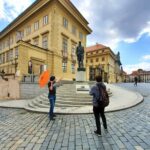
The meeting point is outside the entrance door to Skautský Institut, tucked in an archway area. The guide holds a paper sign that says Spectrum Tours.
This matters more than you might think. For a tour focused on WW2, you need to start with the right story thread, not wonder where you are in the timeline. Once you are with the group, the guide lays the groundwork and keeps moving in a way that helps you stay oriented.
Bring comfortable shoes. The tour is only three hours, but the content is dense, and you’ll want your legs to cooperate. If you are sensitive to walking while listening, plan to pace yourself and take a few seconds to breathe between stops.
The pre-walk WW2 intro, and why the Czech angle matters
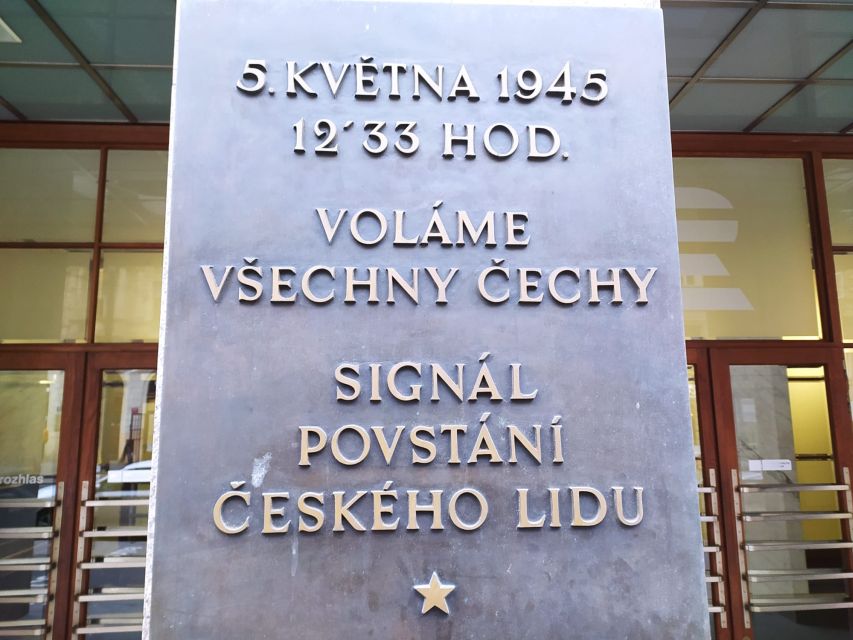
Before you jump into specific places, you get a full theoretical introduction to the WW2 problemacy, with details tied to Czech history. This is the part that makes the rest click.
Prague did not experience WW2 like a single, neat storyline. The tour treats it as a mix of occupation pressures, political shifts, resistance, and consequences. That framing helps when you hear names like Reinhard Heydrich later, because you understand how he fit into the machinery of control.
You also get help connecting ideology to real actions. That is key with this kind of tour. If all you do is memorize events, the visit to places like a Gestapo-linked headquarters or the final resistance crypt can feel like a dramatic setting. When you understand the logic behind what happened, those places stop being scenery.
A former Nazi-frequented hotel stop, where comfort meets control
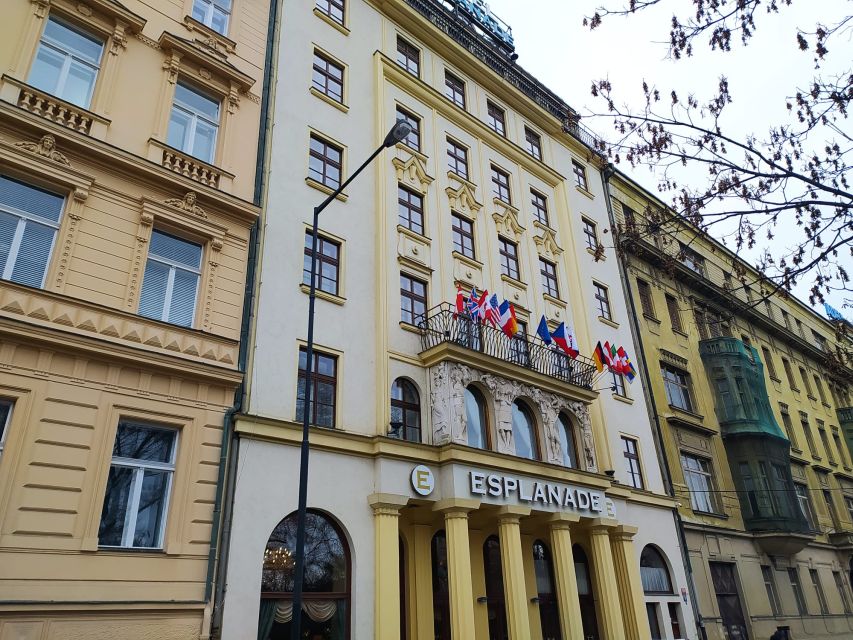
One of the stops includes a hotel that was formerly popular among Nazi prominents. The idea here is simple and uncomfortable: the same city that you might associate with cafes and postcards also held spaces where high-ranking figures lived their privileged routines.
You’ll get the guide’s explanation and photos to connect the past with the present building. The payoff is in noticing contrasts. On the street, you might see a normal modern hotel entrance. The guide pushes you to think about what it once represented, and how everyday spaces can be repurposed in wartime.
A drawback to watch for: because this is a short tour, the guide may not spend as long on every single building detail. The value is in the overall story, not in a deep architectural description of each location.
The minute of silence at the Gestapo memorial, a moment you’ll remember
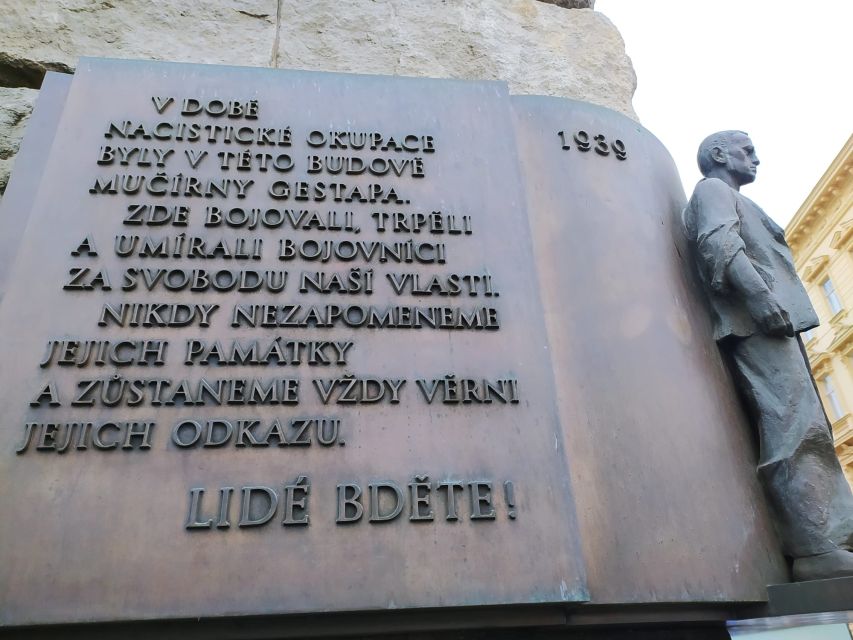
This is one of the tour’s most serious highlights. You visit the former Gestapo headquarters, then pause for a minute of silence at the memorial for the victims of Nazism.
This is not the usual “take a photo, move on” city moment. You are asked to slow down and treat the location with respect. That small ritual changes the tone of the tour, and it also helps your brain shift from historical information to human consequence.
Practical tip: if you plan to take photos, be ready before the silence starts, then keep your camera down during the minute. If your group includes people who want to remain solemn, follow the flow without making it awkward.
You can also read our reviews of more historical tours in Prague

Prague Uprising stops on the route: Old Town Square, Wenceslas Square, Czech Radio
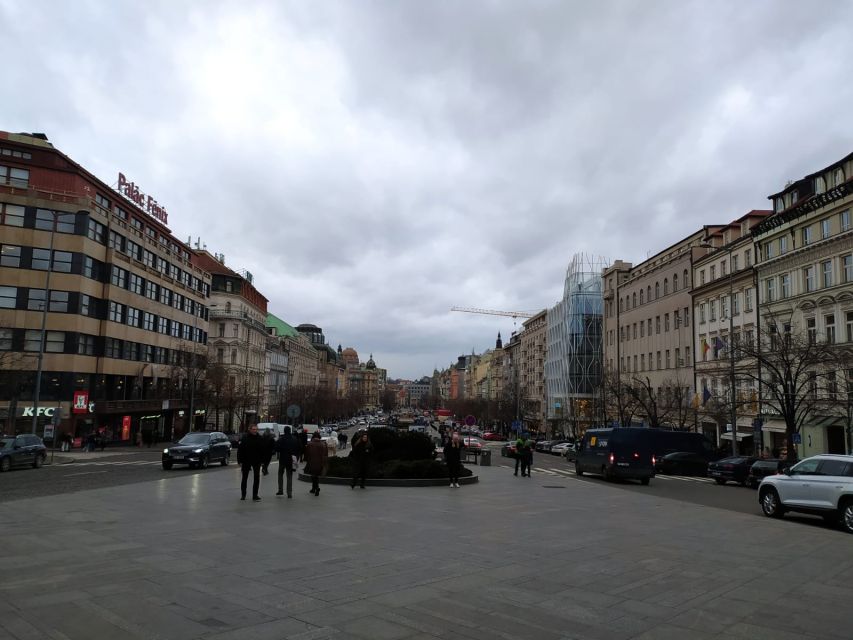
The tour then moves into the most intense part of Prague’s WW2 ending, the Prague Uprising in May 1945. You visit places tied to some of the heaviest fights, including:
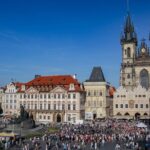
- Old Town Square
- Wenceslas Square
- Czech Radio Headquarters
What’s valuable here is that you’re not just ticking off famous landmarks. The guide frames what those spaces meant during the uprising, so you can picture movement, crowd density, and how public buildings could become targets or points of command.
Old Town Square
Old Town Square is the kind of place you can wander for hours on a normal day. On this tour, you treat it like a stage in a real conflict. That changes what you notice: entrances, sightlines, and how a square works when tension is high.
Wenceslas Square
Wenceslas Square is big and formal, and that scale matters. The guide’s explanations help you see why certain open areas become strategic. You’ll likely look at it with a different mindset, because the story connects the grandeur to the urgency of 1945.
Czech Radio Headquarters
Czech Radio Headquarters is one of the stops where history can feel close to everyday life. A media building in wartime becomes more than walls and windows. You’ll get context about its role in the uprising, and the guide’s photo material helps you connect past broadcasts and communication with what you see now.
If you love learning through images, you’ll appreciate this part. The tour includes lots of photos that the guide shows and comments on, so key points stay understandable even when the street view does not look like the past.
Heydrich assassination: how the guide keeps it clear
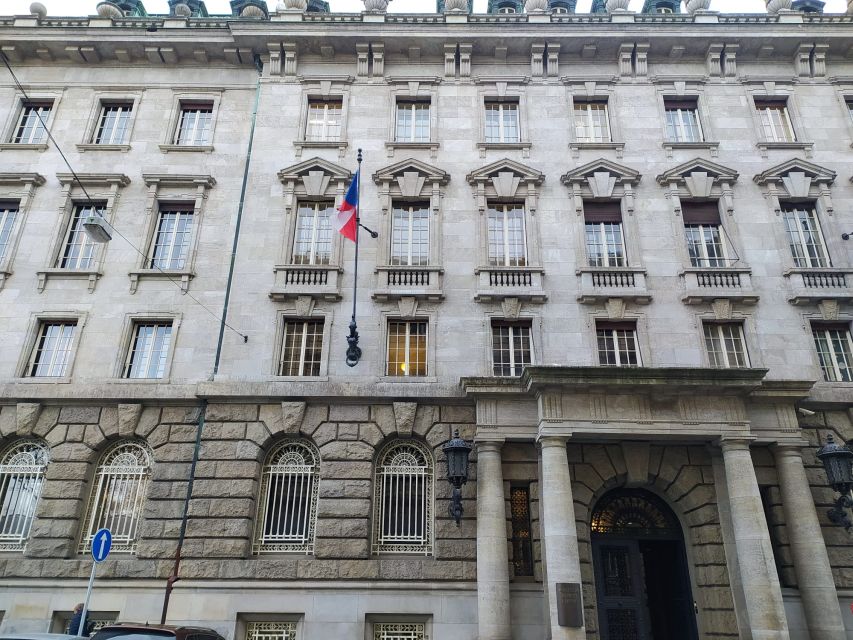
Next comes a major focus: the assassination of Reinhard Heydrich, one of the highest-ranked Nazi figures until 1942.
The value here is clarity. In a lot of history tours, famous assassinations get reduced to a headline. Here, you get the surrounding explanation, so the assassination becomes part of a cause-and-effect chain. It is not just a plot twist. It connects to occupation policy, retaliation, and resistance decisions.
Because the tour is only three hours, you should expect a tight structure. You’ll get enough background to make the events understandable without drowning in names. The guide’s commentary is meant to keep you following while walking.
The last resistance site and the crypt beneath a church
The tour ends with the most emotionally heavy location: the place of the last resistance and death of the resistance members involved in the Heydrich episode. This visit happens at a crypt beneath a church, and it’s described as incredibly impressive.
This is one of those places where you might feel the temptation to rush for photos. Don’t. Let the guide’s framing settle first, then take a moment to look around slowly. Crypt spaces have their own quiet logic, and the experience works best when you let it.
From a learning standpoint, this stop is powerful because it focuses on people, not just politics. You understand the consequences of resistance, and you get a physical sense of finality.
Photos on the street: why this tour leans visual
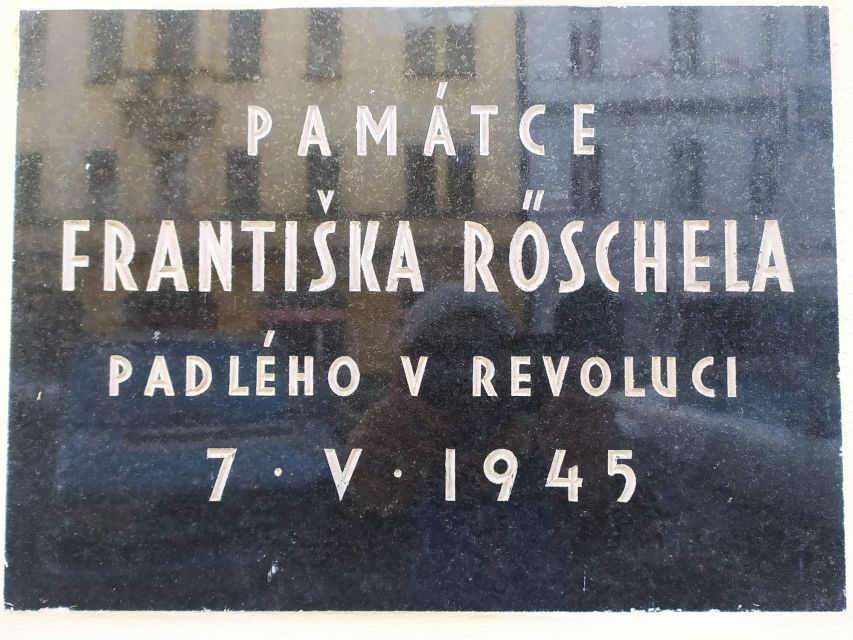
A standout feature is that you’ll see lots of photos during the tour, with professional comments from the guide. That approach helps in Prague, because the city can look timeless even when the past was not.
Photos do two useful things for you. First, they help you picture the uprising moments in the exact location you’re standing on. Second, they keep the tour moving at a pace that still makes sense, even if you are not a history buff.
If you have a phone with decent battery, you’ll want to keep it ready. You may not be able to recreate historic scenes with modern photos, but you can still capture the angles that help you remember what you learned.
Language options and what that means for your comfort
You can join the tour in German, Czech, or English, and the guide is local and licensed. That matters because the subject is complex. In English, you still get a structured explanation, but the guide will likely rely on clear, visual storytelling to keep everyone on track.
If you are comfortable in more than one language, pick the one you think you’ll stay focused in. With WW2 content, listening fatigue can sneak up on you fast.
Duration, group style, and who this is really for
Three hours is short, but this tour fills it with theory plus real locations. The result is a kind of walking “argument”: the city supports the story, and the story tells you how to see the city.
This experience fits best if you:
- want context before you hit memorial and battle-related stops
- prefer learning through walking and photos, not a museum-only format
- are okay with serious subject matter and a respectful tone
It is not the best choice if you want a relaxed sightseeing loop. Also, it’s not suitable for children under 10, which tells you the guide likely expects a level of attention and emotional maturity for the memorial moments and the resistance history.
Price and value: is $58 per person worth it?
At $58 per person for three hours, the price is reasonable for a guided, licensed walking tour with a heavy focus on places of memorial and conflict. What you get here that justifies the spend is not only the guide, but the format.
You are paying for:
- a structured WW2 introduction with Czech details
- guided visits tied to specific events (Gestapo memorial, Prague Uprising locations, Heydrich assassination and aftermath)
- lots of photos and professional commentary that turn street views into understandable history
If you tried to do this on your own, you could research the sites, but you would likely miss the connections the guide makes to keep the story coherent. That is the main value: the tour reduces your time spent sorting sources and increases your time understanding what you see.
Finishing at Resslova 9a, then using the rest of the day smartly
The tour ends at Resslova 9a, 120 00 Praha 2-Nové Město. That location puts you back in a central, workable part of Prague, so you can keep going with dinner or another walk.
Right after a topic-heavy tour, I like to do something lighter. If you have energy, take a short stroll nearby and let your brain process the content. If you feel emotionally drained, that’s normal with memorial-heavy history. A quiet break helps.
Should you book this Prague WW2 historical walking tour?
Book it if you want a serious, respectful WW2 orientation in Prague, with Czech context and clear stop-by-stop storytelling. The minute of silence at the Gestapo memorial and the visit to the crypt beneath a church are the kind of experiences that stick with you, especially when the guide supports them with photos and commentary.
Skip it, or at least manage expectations, if you want leisurely time at each landmark or super deep technical detail on every building. This tour is designed for momentum and coherence, not for long stopovers.
If you are the kind of traveler who likes learning while walking, this is a strong fit. You’ll leave Prague seeing the city’s streets and squares as part of a real human timeline, not just as beautiful backdrops.
FAQ
How long is the Prague WW2 walking tour?
The guided tour lasts 3 hours.
What is the price per person?
The price is $58 per person.
Where do I meet the guide?
Meet outside the entrance door to Skautský Institut in an archway. The guide will be holding a paper with Spectrum Tours written on it.
What languages are available for the live guide?
The live guide is available in German, Czech, and English.
Do I need to bring an ID or passport?
Yes. Bring your passport or ID card.
Is the tour suitable for children?
It is not suitable for children under 10.
Is the tour wheelchair accessible?
Yes, it is wheelchair accessible.
More Walking Tours in Prague
More Tours in Prague
More Tour Reviews in Prague
Not for you? Here's more nearby things to do in Prague we have reviewed





Communism & WWII History Tours, compared.
 ★ 4.7Communism History and Nuclear Bunker Guided TourFrom $442,417 reviews
 ★ 5.0Prague Communism History and Nuclear Bunker TourFrom $451,742 reviews
 ★ 5.0Communism & Nuclear Bunker Tour + 70s Canteen Lunch (own expense)From $351,036 reviews
 ★ 4.7WWII Guided Tour & The Crypt of Operation AnthropoidFrom $421,030 reviews
 ★ 5.0WWII in Prague Tour & The Crypt of Operation AnthropoidFrom $43817 reviews
 ★ 4.8Communism and Bunker Tour with 70s Canteen LunchFrom $33250 reviews
 ★ 5.0Small-Group World War 2 & Operation Anthropoid Tour in PragueFrom $33231 reviews
 ★ 4.8World War 2 and Operation Anthropoid Walking TourFrom $32193 reviews
Browse the lists this tour appears in