
REVIEW · COMMUNISM & WWII HISTORY TOURS
Prague: Communists and World War II Tour
Prague teaches the 20th century the hard way. On this Prague communist and WWII walking tour, you trace the events that led toward World War II, then follow how life changed under Communism and the Iron Curtain, with a stop at the 30-meter Stalin statue.
I especially like two things: the tour’s clear cause-and-effect storytelling, and the way guides such as Barbara, Martin, Otakar, and Inna are able to field questions and keep the facts grounded in real places.
One possible drawback: the subject matter is heavy, and the walk is history-focused, not a casual sightseeing loop.
Key points you’ll remember
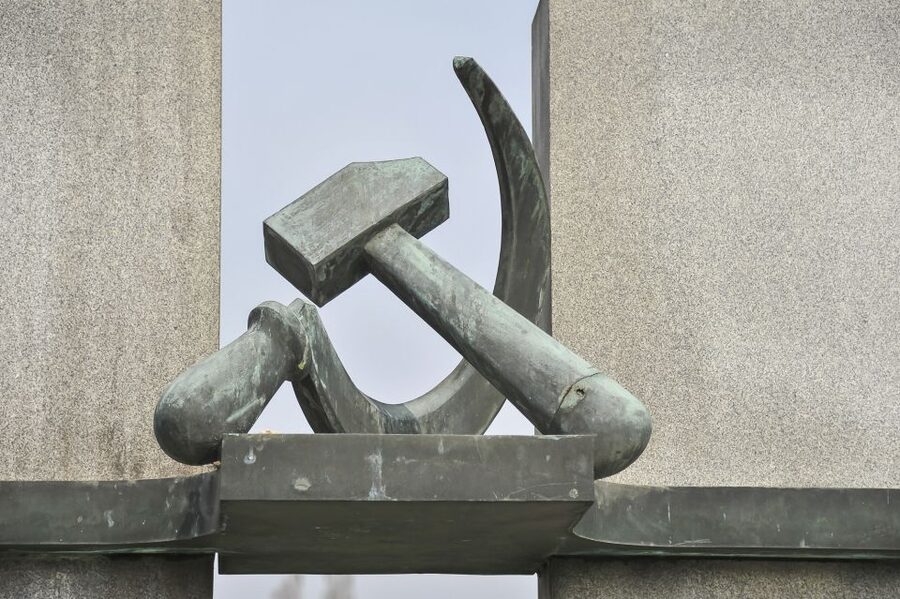
- Streets tied to WWII and Nazi occupation, not just textbook history
- Stalin’s towering 30-meter statue, built as propaganda and impossible to ignore
- Cold War and Communist daily life, explained through specific turning points
- Jan Palach and book burnings, the kind of details that make the era feel real
- The Velvet Revolution, tied to how resistance actually pushed change
- Optional Museum of Communism add-on, plus a 10% discount coupon
Where the walk begins at Charles IV and why that sets the tone
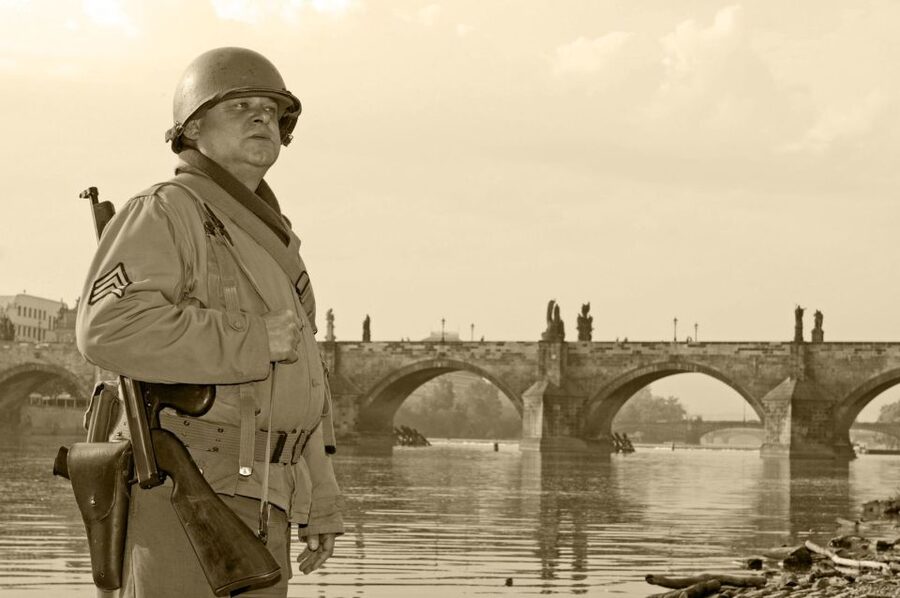
You start at Křižovnické náměstí, right by Charles Bridge and the Statue of Charles IV. It’s a smart starting point because Prague’s medieval face is right there, while the tour is about the 20th century’s darker chapters. You’ll see the guide holding an orange umbrella, and yes, in busy Charles Bridge crowds it can take a second to spot the right one.
If you want the quickest win, arrive a few minutes early. Comfortable shoes matter here too, since you’ll be on your feet for the full 2 hours.
You can also read our reviews of more tours and experiences in Prague.
National Street to Wenceslas Square: Prague as a political map
This tour works because it treats Prague like a map of power. As you move through the city center, you connect major political shifts to real street corners, squares, and viewpoints. That turns the usual Prague postcard experience into something more useful: you start recognizing symbols and locations that tell you who controlled public life at different times.
You also get a coherent storyline rather than random facts. The guide explains how World War I shaped the later turmoil, how Nazi rule took hold in Czech lands, then how the Communist takeover and Cold War period reshaped education, culture, and everyday behavior.
The road toward World War II on streets the Gestapo once used
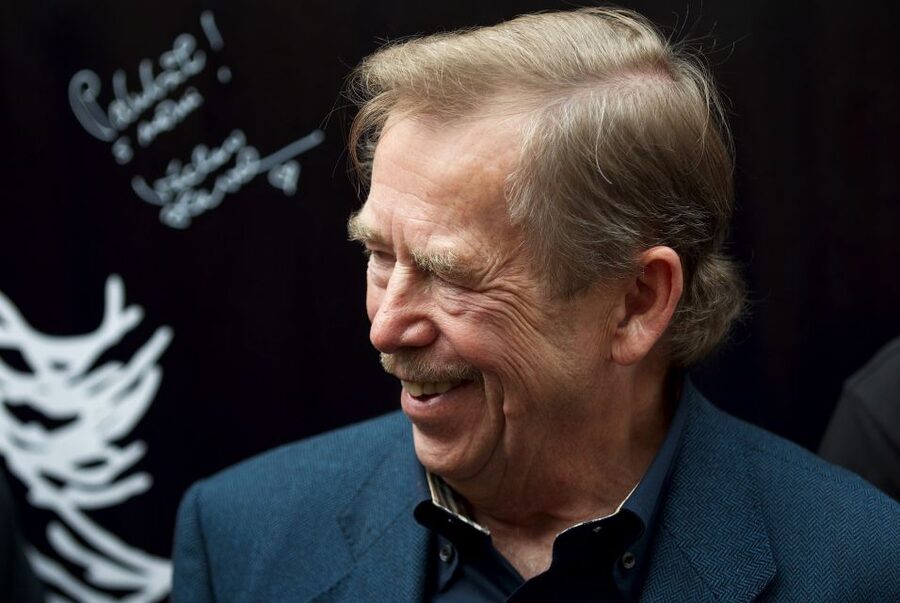
One of the most striking parts is the shift from background history to places where history was enforced. You walk down streets associated with Nazi rule, including mentions of the Gestapo, and the guide connects those dots to the bigger events that led to World War II. Even if you already know the headline versions, walking makes the story feel less abstract.
The practical value here is context. You’ll understand why Czechoslovakia’s political situation got so unstable, why outside pressure mattered, and how occupation changed both institutions and people’s choices.
Communism in Prague after WWII, with the 30-meter Stalin shock
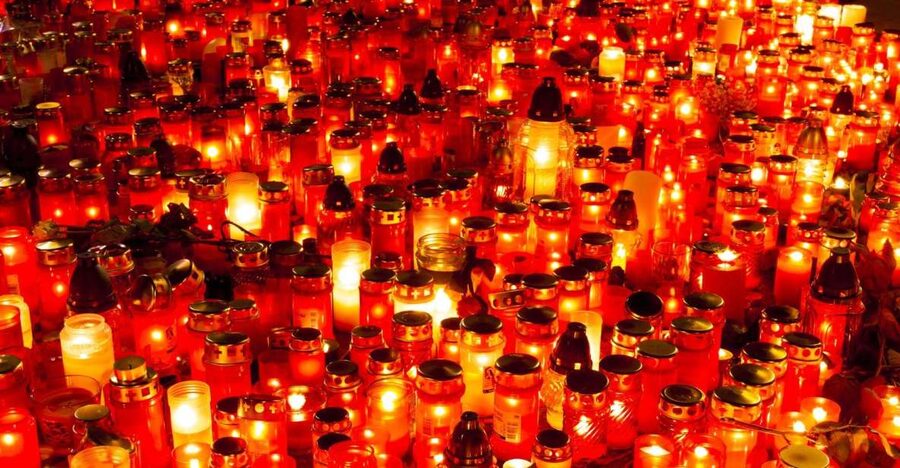
Then you move into the post-WWII era, and the tour doesn’t soften the mood. You hear what life could mean when Communism became the system, including how authorities used propaganda and control to shape daily life.
The standout visual stop is the 30-meter tall statue of Stalin. It’s not just a monument you pass. In a tour like this, it becomes a lesson in power display, where scale is part of the message. You’ll also get a sense of how Prague tried to live under that pressure, even when people did not fully agree with it.
Czechoslovakia’s creation: how the state story is told on the ground
A lot of WWII and Cold War tours jump around. This one keeps coming back to the formation of Czechoslovakia and the political turning points that brought it about. That matters because Czechoslovakia is the bridge between earlier events and the later Communist era.
What I like about this approach for you: it prevents the 20th century from turning into a confusing list. Instead, you get a structure you can remember, and you start seeing how one political decision created conditions for the next crisis.
Jan Palach, burned books, and the Velvet Revolution
The Cold War portion gets personal through specific moments of resistance. You’ll learn about black-listed books being burned, and you’ll hear why the student Jan Palach set himself on fire. Those details are hard, but they answer an important question for your trip: how did people express dissent when open opposition was dangerous?
Then the story moves toward the Velvet Revolution. The tour explains how the system cracked, and why the change happened when it did. By the time you reach this part of the timeline, the politics stop feeling like distant history and start feeling like a chain of choices made under pressure.
Museum of Communism option: what it adds (and what to watch for)
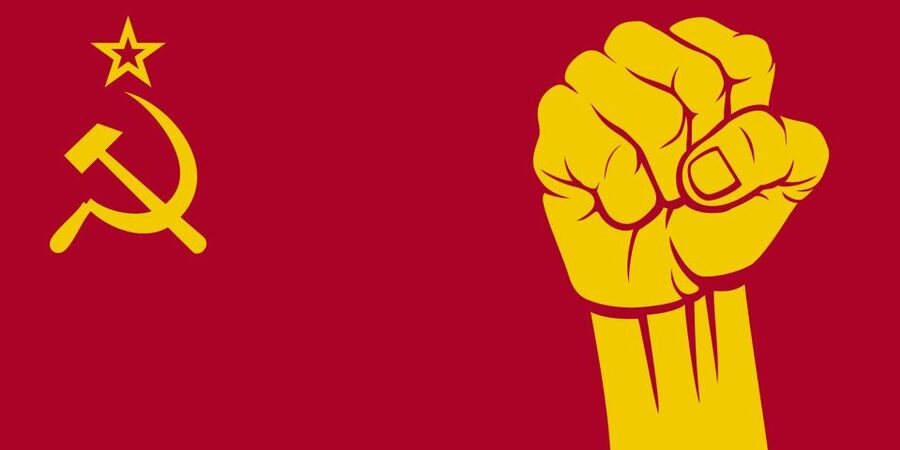
The tour includes a 10% discount coupon for the Museum of Communism, and the museum entry ticket is included only if you select that option. I like this setup because it gives you control.
If you’re the type who wants details, the museum visit helps you keep the street-level story from turning too broad. It’s a useful follow-up to the walking portion since the guide already points you toward the major themes, so you’re not starting from scratch inside.
One note from real experience: the museum may include a film component, and at least one visitor found the explanations in the film less satisfying than the street guide portion. If you’re film-averse, plan to focus on exhibits and written context during your time inside.
Price and value for a 2-hour Prague history walking tour
At about $29 per person for a 2-hour guided walk, the value is in the structure, not in the number of stops. You’re paying for a guide who connects World War II origins, Nazi occupation, and the Communist period to the city you can actually see.
The best value signals for you:
- You get a local guide and time to ask questions during the walk.
- You get a museum discount, so you can extend the experience if you want.
- Languages offered include German, Russian, and English, which is helpful if you’re traveling with mixed language needs.
If you’re short on time in Prague, this tour is also a practical choice. Two hours is enough to build a mental framework for the rest of your trip, especially if you’ll be reading plaques, noticing statues, or wondering why certain monuments look the way they do.
Logistics that help you enjoy it more
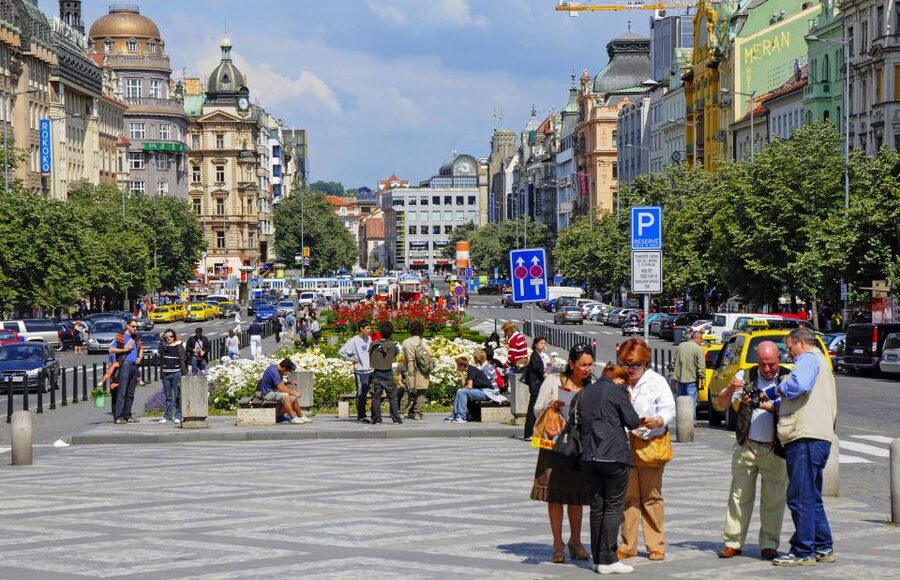
This is a walking tour, so bring comfortable shoes and expect a city-center pace. Alcohol and drugs are not allowed, which keeps the atmosphere focused, since the topic is intense.
Meeting logistics are simple but important: you meet near Charles Bridge at Křižovnické náměstí, next to the Statue Charles IV, and the guide carries the orange umbrella. One practical tip: give yourself a couple minutes to find the correct umbrella, because there can be multiple tour groups around this spot.
Who should book this Prague communist and WWII tour?
You’ll likely enjoy this most if you want a 20th-century political storyline tied to real places. It’s a great fit for history-minded travelers, students, and anyone who wants to understand why Prague has certain memorials and why some public spaces carry heavy symbolism.
It might feel wrong if you want mostly scenic wandering or light, modern Prague highlights. This is about the hard edges of history, and the tour makes no attempt to keep the mood casual.
Should you book this tour?
Yes, if you want Prague to make sense beyond postcards. This 2-hour format gives you a clear through-line from WWII origins to Communist rule and the path to the Velvet Revolution, and the guide-led Q&A style makes it easier to connect the dots.
Skip it only if you already have a strong grasp of Czechoslovakia and Cold War history and you’re hunting for a relaxed walk instead of a focused one. If you’re on the fence, pick the option that includes the Museum of Communism only if you enjoy absorbing details after walking the story in the streets.
If your goal is understanding, this tour is a strong use of time in Prague.
FAQ
How long is the tour?
The tour lasts 2 hours.
What does the tour cost?
The price is $29 per person.
Where do I meet the guide?
Meet at Křižovnické náměstí, in front of Charles Bridge, next to the Statue Charles IV. The guide will hold an orange umbrella.
What is the nearest public transit station?
The closest station is Staroměstská.
Which languages are available?
The live tour guide is available in German, Russian, and English.
Is the Museum of Communism included?
The tour includes museum entry only if you select that option. Even if you skip entry, you get a 10% discount coupon for the museum.
What should I bring?
Wear comfortable shoes since it is a walking tour.
Is alcohol allowed on the tour?
No, alcohol is not allowed.
Can I cancel?
Yes. You can cancel up to 24 hours in advance for a full refund.
Is the tour free to book right away?
You can reserve and pay later, so you can book your spot without paying today.
More Tours in Prague
More Tour Reviews in Prague
Not for you? Here's more nearby things to do in Prague we have reviewed





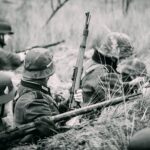

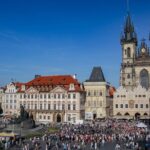

Communism & WWII History Tours, compared.
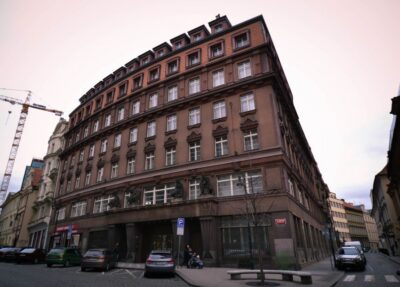 ★ 4.7Communism History and Nuclear Bunker Guided TourFrom $442,417 reviews
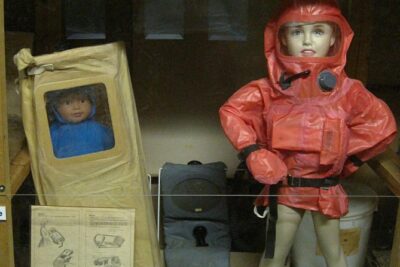 ★ 5.0Prague Communism History and Nuclear Bunker TourFrom $451,742 reviews
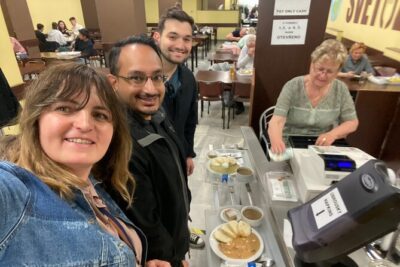 ★ 5.0Communism & Nuclear Bunker Tour + 70s Canteen Lunch (own expense)From $351,036 reviews
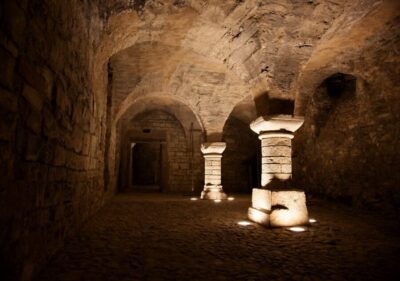 ★ 4.7WWII Guided Tour & The Crypt of Operation AnthropoidFrom $421,030 reviews
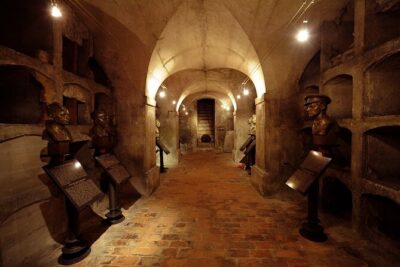 ★ 5.0WWII in Prague Tour & The Crypt of Operation AnthropoidFrom $43817 reviews
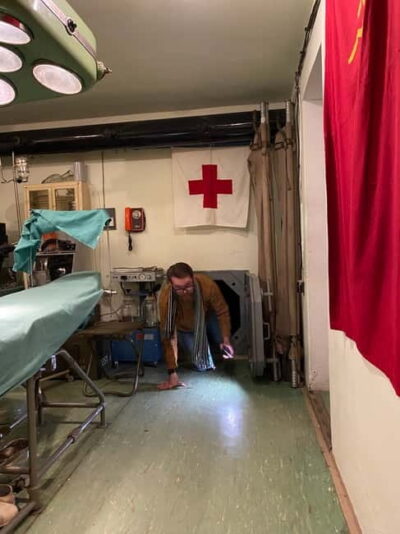 ★ 4.8Communism and Bunker Tour with 70s Canteen LunchFrom $33250 reviews
 ★ 5.0Small-Group World War 2 & Operation Anthropoid Tour in PragueFrom $33231 reviews
 ★ 4.8World War 2 and Operation Anthropoid Walking TourFrom $32193 reviews
Browse the lists this tour appears in