
REVIEW · COMMUNISM & WWII HISTORY TOURS
Communism & Nuclear Bunker Tour + 70s Canteen Lunch (own expense)
A bunker tour in the middle of Prague. This small-group Cold War walk threads history from Republic Square to Wenceslas Square, then takes you into a nuclear shelter from the 1950s.
I really like how the guide turns political headlines into street-level moments, like standing where the Communist Party celebrated in 1948 and walking past places tied to 1989 unrest. I also like that the Cold War Museum entry fee (10 EUR) is included, so the bunker part is not a last-minute add-on.
One heads-up: this is not recommended for claustrophobic people, and the bunker experience involves tight spaces and stairs after an elevator.
Key highlights worth targeting
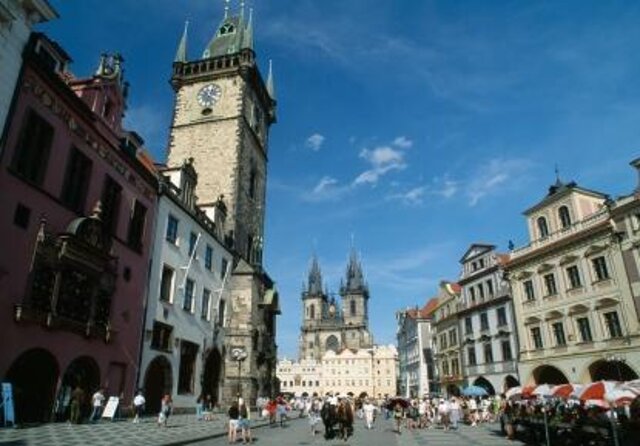
- Powder Tower start at the Old and New Town edge, right where you can connect key sites quickly
- Stop-by-stop Cold War timeline, with independence, Nazi occupation, Communist rule, Prague Spring, and the Velvet Revolution
- Real 1950s nuclear bunker access, plus a Cold War Museum admission included in the price
- A 70s worker canteen stop for a beer or Czech soda like kofola, plus a proper lunch option (own expense)
- Max 10 people, which usually means more back-and-forth questions and slower pacing
- Guide with a blue umbrella at the meeting point, so you can get moving fast
Powder Tower to Old Town Square: where the Cold War story begins
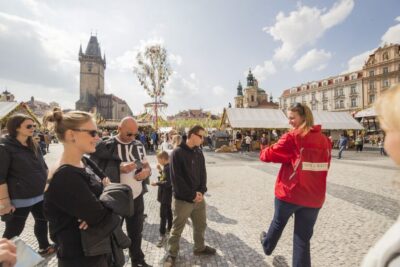
The tour starts at the Powder Tower on Náměstí Republiky, a smart location because it sits right at the seam of Prague’s Old and New Towns. In other words, you get the major historical geography without needing extra transit.
You’ll begin with a guided walk through Old Town, but it is not a random sightseeing loop. The early focus is how modern Czech history got shaped by big outside forces, first World War shifts, then WWII, then what came after.
This opening is also where the guide matters most. The tour is designed around explanation at human scale: why leaders, parties, and foreign powers cared about Czechoslovakia, and what that meant for daily life. That way, the later stops on Narodni Street and Wenceslas Square land harder, because you already understand the system behind the events.
The vibe is serious, but it is not joyless. A good portion of the experience is learning how people coped, what normal life could look like under pressure, and how the city kept moving.
More Prague city tours, river trips, and Czech day trips to compare

Republic Square and 1948: independence, Nazi years, and the election win
One of the tour’s strongest moves is how it anchors you in Republic Square, where the story starts long before the Cold War bunker comes into play. You learn how Czechoslovakia declared independence in 1918 and why Hitler saw the region as a target early.
Then the tour connects WWII impacts to the post-war development of the state. That matters because Communist rule did not appear out of nowhere. It grew in a context where power, borders, and alliances were already in flux.
From there, you get the 1946 election angle, plus the significance of how the Communist Party of Czechoslovakia won the elections. Standing in these square and street contexts helps you understand the strategy: political power was paired with control, propaganda, and fear.
If you like your history in chronological chunks you can actually remember, this stop works well. You leave Republic Square with a mental timeline, so later topics like the “50s era of fear” and the secret police parts feel connected rather than random.
Narodni Street, Bartolomejska Street, and Wenceslas Square: protests, Prague Spring, Soviet pressure
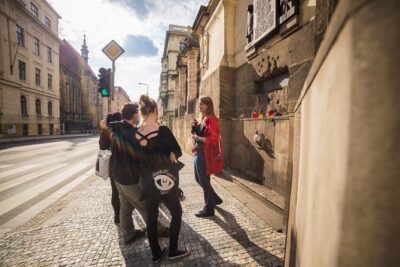
As the walk shifts, the tour keeps tightening the loop between politics and place. You’ll pass points like the former headquarters of the secret police on Bartolomejska Street, and you’ll also see major landmarks like the Kotva shopping mall as part of the city’s layers.
Narodni Street is a major emotional stop. You stand where students were massacred by state police on 17 November 1989, then you hear how that fed into the wider public push that became the Velvet Revolution.
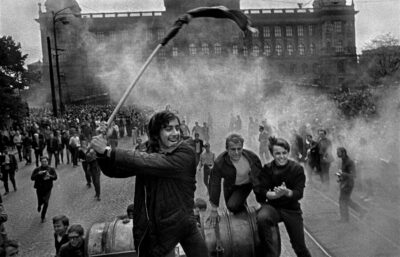
This section also covers the Prague Spring, tied to August 1968. The focus is the Soviet crackdown, and the message is clear: the country’s democratic hopes faced direct military pressure. Then the tour comes back to 1989 and the protests against the Communist regime, with names like Václav Havel brought into the story in a practical way.
Wenceslas Square itself can feel like a classic tourist postcard, but here it becomes a stage for modern turning points. You’re not just walking past a boulevard, you’re tracing a sequence of hopes, repression, and change.
Practical note: the pacing stays walking-friendly, but you are still covering real streets and stops. Wear shoes you can trust. You will appreciate it more than you think.
Wenceslas Square canteen lunch and Kofola: what to expect and how much to budget
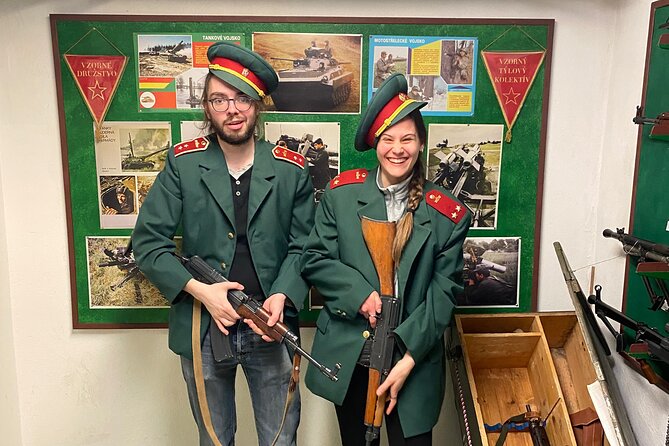
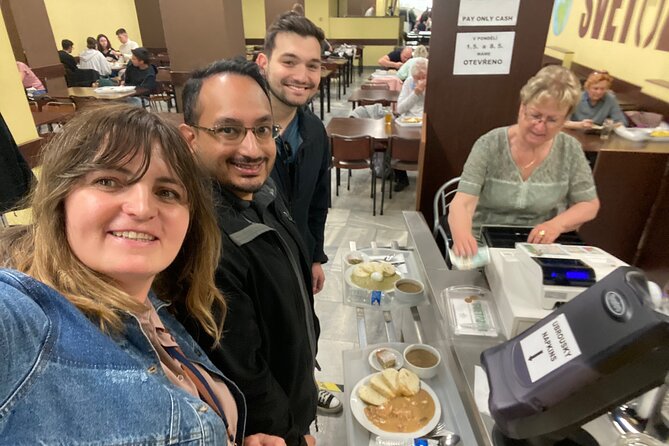
Right around the midpoint, you get a planned break at a local worker’s canteen in the style of the 1970s. This is not included food at no cost. Food and drinks are own expense, so budget for lunch separately.
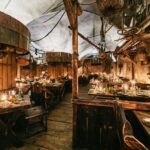
You’ll have options like kofola, a Czech soda that often shows up as part of everyday Communist-era culture. You can also choose a beer. If you want a proper working-class plate, the canteen lunch is designed for that too, so you are not only sampling drinks.
What makes this stop valuable is that it adds “how it felt” to “what happened.” After hearing about trials, camps, and secret police pressure, eating in a space built around that era’s everyday rhythms gives you a different kind of context.
Bring some cash or be ready to pay for your choices, since the tour info is explicit that meals are not included. When you plan financially, this stop is easy to handle because you can decide exactly what you want from your own budget.
Stepping into a 1950s nuclear bunker: elevator, steps, and Soviet-era details
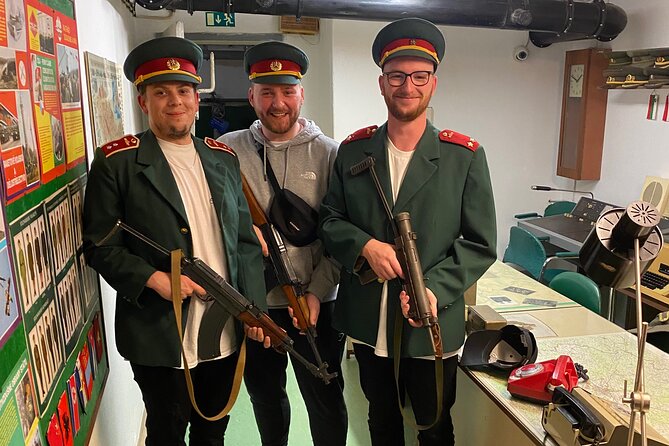
The bunker is the headline reason many people book this tour, and it is handled like a real visit, not a quick photo stop.
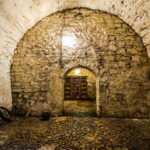
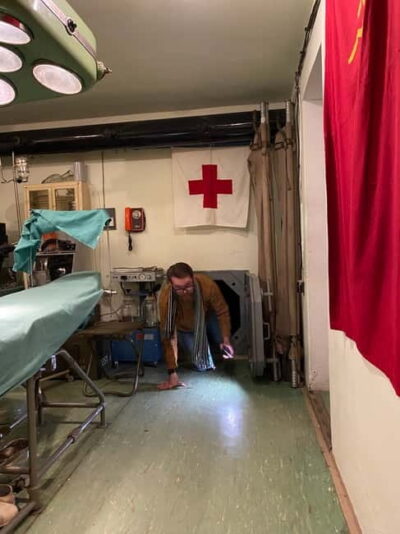
You’ll get a rare opportunity to explore inside a nuclear bunker dating from the 1950s. The tour includes the Cold War Museum admission fee of 10 EUR, so you should be set for entry as long as you have your booking and mobile ticket.
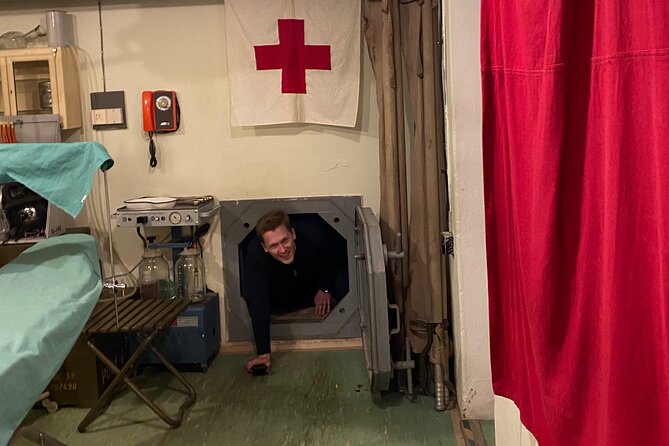
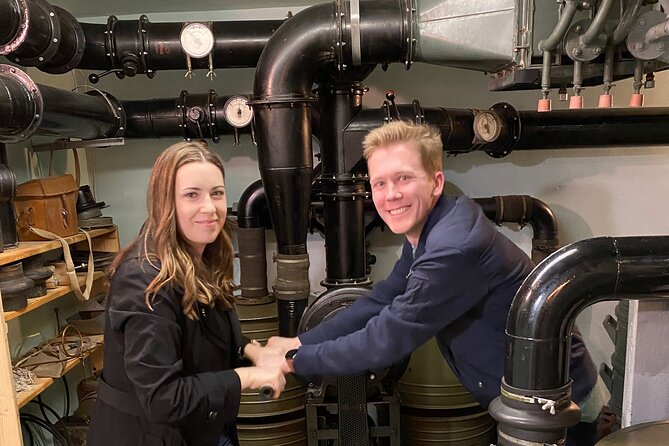
Inside is where you see the “fear system” in physical form. You get to connect what you heard about state control and emergency planning to the kind of infrastructure that made those controls feel real.
One practical detail I would not skip: while the tour includes access by elevator for one level down, you then walk around 30 steps to reach the next level below. That matters if stairs are an issue, and it also explains why the tour is not recommended for claustrophobic people.
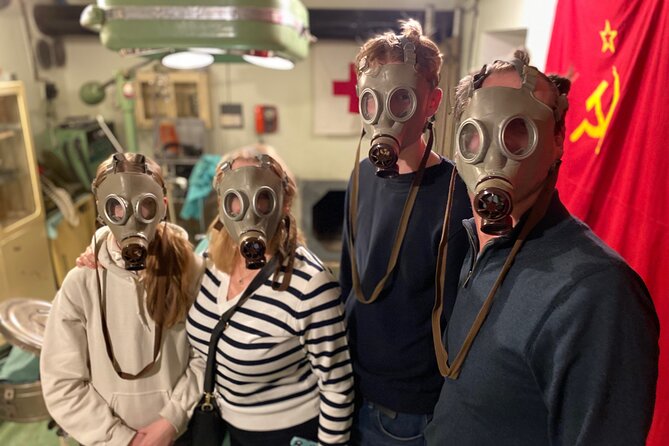
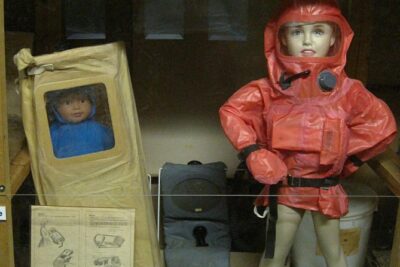
You might find the bunker experience includes interactive touches, like trying a gas mask and acting out parts of secret police-style scenarios. Even when the tone turns playful, the point stays serious, because it shows how fear was built into daily life.
Small group size, blue umbrella guides, and Q&A time
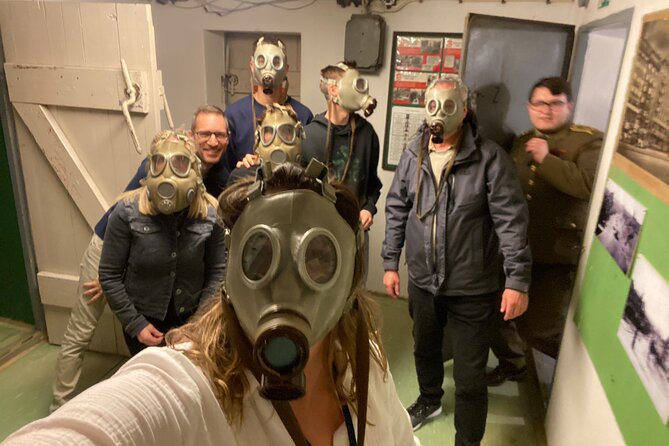
The tour runs with a maximum group size of 10 people, which is a big deal for this topic. Cold War history can get heavy, so you want a guide who can pace the story to your questions, not just recite facts at speed.
The guide is easy to spot, look for the person holding a blue umbrella at the start. That sounds minor, but it prevents that awkward early-morning hunt and helps you focus on actually starting.
The guides are also a major reason the tour earns such high marks. Multiple guide names come up in the experience reports, including Klara, Leo, and Carla. The common thread is strong storytelling and real back-and-forth, with lots of opportunity to ask questions.
Also, because the tour connects Communist-era policy to everyday scenes in Prague, it does not feel like a lecture. It feels like walking and thinking with someone who can explain why these events mattered to normal lives.
Price in context: what you get for $35.07 and what to bring
The price is $35.07 per person for an approximately 3 hours 30 minutes tour. For that, you get a local guide, small-group format (max 10), and the included 10 EUR Cold War Museum admission fee tied to the bunker visit.
So the value is not just “a guide plus sightseeing.” The bunker entry is built in, which is the most expensive part for many history tours like this. You also get a structured Old Town and New Town route, with multiple historically specific stops rather than a single landmark visit.
What is not included is food and drinks. The canteen lunch is an “own expense” stop, plus any extra drinks like beer or kofola you choose.
What you should bring is simple:
- Comfortable walking shoes
- Weather-ready layers for Prague street walking
- A payment method or cash for the canteen lunch and drinks
- Patience for tight bunker areas, especially if you dislike enclosed spaces
Also, this tour is popular, with an average booking window of about 40 days in advance. If you are traveling in a busy season, booking ahead saves stress.
Should you book this Prague communism and bunker tour?
Book it if you want a Prague history tour that connects politics to the real city, and then proves it with a bunker visit you can actually walk through. The included museum entry and the small group size make it easier to learn without feeling rushed.
Skip it if claustrophobic spaces are a hard no for you. The tour is explicitly not recommended for claustrophobic people, and the bunker involves stairs after an elevator plus narrow, underground-feeling areas.
If you are a first-time Prague visitor and want one “contrast” experience beyond the usual bridges and towers, this works well. It also suits anyone who likes modern history, especially the Cold War arc from Soviet pressure to the Velvet Revolution.
FAQ
Where is the tour meeting point and where does it end?
You start at the Powder Tower on Náměstí Republiky 5, Staré Město, Prague 1. The tour finishes at Wenceslas Square, in the upper part of Václavské náměstí.
How long is the tour?
The tour runs about 3 hours 30 minutes.
What is included in the $35.07 price?
The price includes a local guide, a maximum group size of 10, and the Cold War Museum admission fee of 10 EUR for the bunker experience.
Is the 70s canteen lunch included?
Food and drinks are not included. The tour includes a stop at a local 70s-style canteen where you can buy items like kofola, beer, or a working-class lunch.
Is this tour suitable for claustrophobic people?
No. The tour is not recommended for claustrophobic travelers.
Is the tour offered in English and is it a small group?
Yes, it is offered in English. The group size is capped at a maximum of 10 people, and you will have a mobile ticket.
More Lunch Experiences in Prague
More Tours in Prague
More Tour Reviews in Prague
Not for you? Here's more nearby things to do in Prague we have reviewed



Communism & WWII History Tours, compared.
 ★ 4.7Communism History and Nuclear Bunker Guided TourFrom $442,417 reviews
 ★ 5.0Prague Communism History and Nuclear Bunker TourFrom $451,742 reviews
 ★ 4.7WWII Guided Tour & The Crypt of Operation AnthropoidFrom $421,030 reviews
 ★ 5.0WWII in Prague Tour & The Crypt of Operation AnthropoidFrom $43817 reviews
 ★ 4.8Communism and Bunker Tour with 70s Canteen LunchFrom $33250 reviews
 ★ 5.0Small-Group World War 2 & Operation Anthropoid Tour in PragueFrom $33231 reviews
 ★ 4.8World War 2 and Operation Anthropoid Walking TourFrom $32193 reviews
 ★ 4.7World War II and Communist History TourFrom $34130 reviews
Browse the lists this tour appears in