
REVIEW · COMMUNISM & WWII HISTORY TOURS
Prague: WWII Tour with Local Historian SMALL GROUP
WWII Prague hits different on foot. This 2.5-hour small group tour strings together the key moments of Nazi occupation and resistance with an English-speaking local historian who tells it as a sequence of real places, real decisions, and real consequences. I like that the focus is quality over quantity, so you leave with names and locations you can actually place on a map.
What I love most is how personal the guiding feels. At the Parachutists Church, you see the physical reminders tied to Operation Anthropoid, and the story of Nicholas Winton’s Kindertransports (669 Jewish children) is handled with care and clarity. One possible drawback: the subject matter is intense, and the tour is not suitable for children under 10, pregnant women, and it also lists limits for wheelchair users and people with mobility impairments, even though wheelchair access is mentioned elsewhere, so it is smart to confirm before you book.
Key Points You Should Know Before You Go
- Small group limited to 7 with an English-speaking historian, so questions and extra context are actually possible.
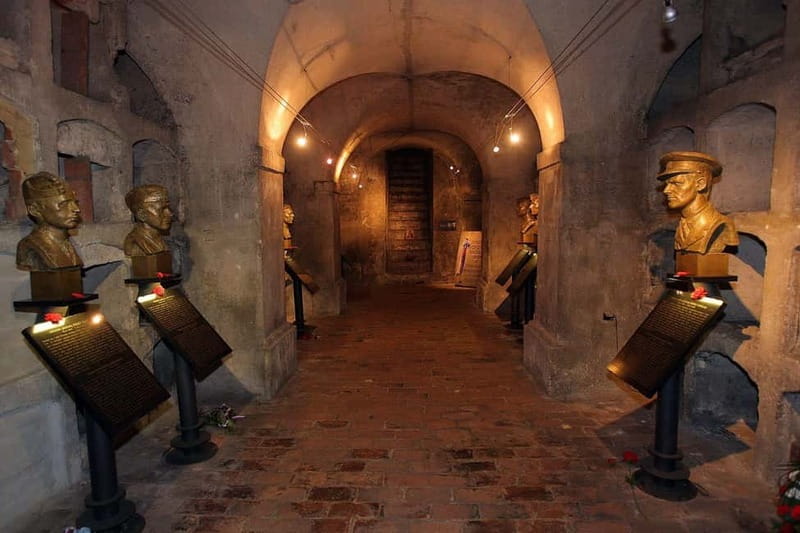
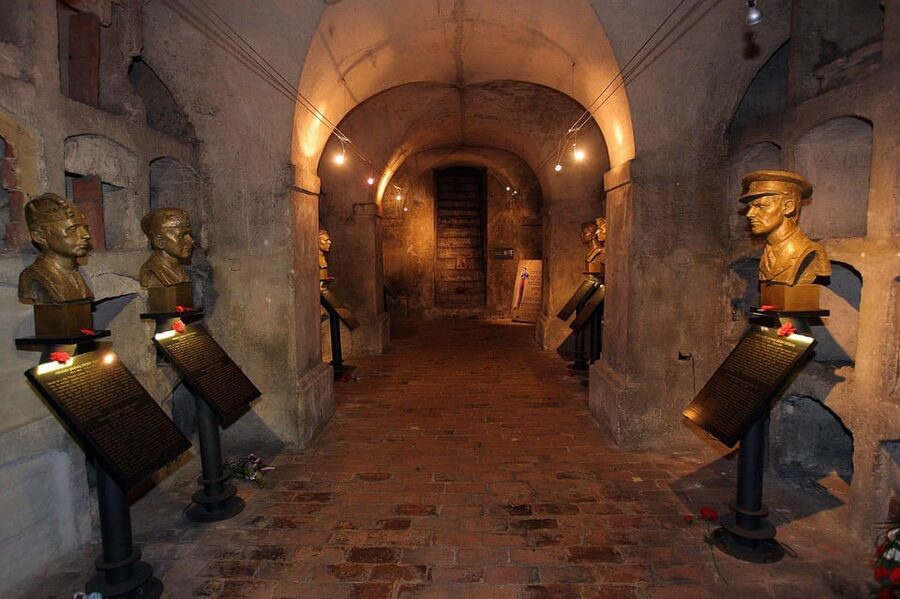
- Parachutists Church stop includes entrance, plus a look at bullet holes connected to Operation Anthropoid.
- Reinhard Heydrich and Operation Anthropoid are explained in a street-level way, not just as dates from a textbook.
- Nicholas Winton and the Kindertransports story focuses on the 669 children saved, the kind of rescue that changes outcomes quietly.
- Guides with survivor-focused storytelling, including names like Gerry and Jiri, are praised for making the city feel human, not abstract.
Why This Prague WWII Tour Feels Focused in 2.5 Hours
A WWII tour can easily turn into a marathon of facts. This one keeps it tight, around 2.5 hours, with a guided walk through the most important touchpoints of the occupation and resistance story in Prague.
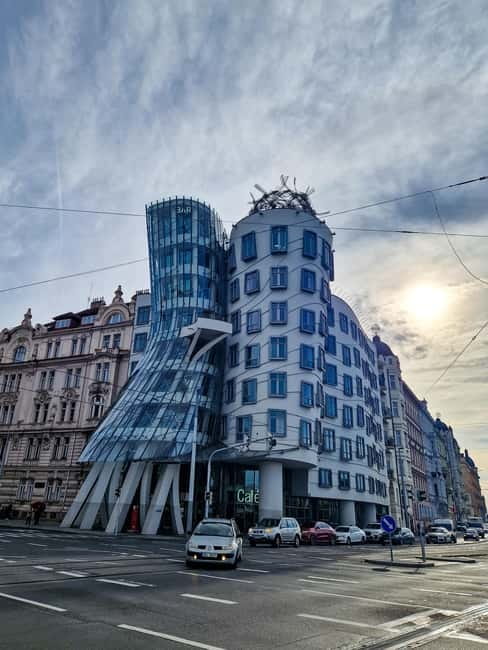
What makes it work is the ordering. You start with the pulse of the occupation, then move through assassination and retaliation themes, and later connect that to 1945, when Prague faced bombing and uprising. By the time you end near the Dancing House area, the city’s WWII layers feel connected instead of random.
It is also a practical length. Two and a half hours is long enough to feel like you learned something real, but short enough that you can still plan dinner and a second walk afterward. If you have limited time in Prague, this is a solid use of it.
You can also read our reviews of more tours and experiences in Prague.
Starting at Wenceslas Square, Ending Near the Dancing House
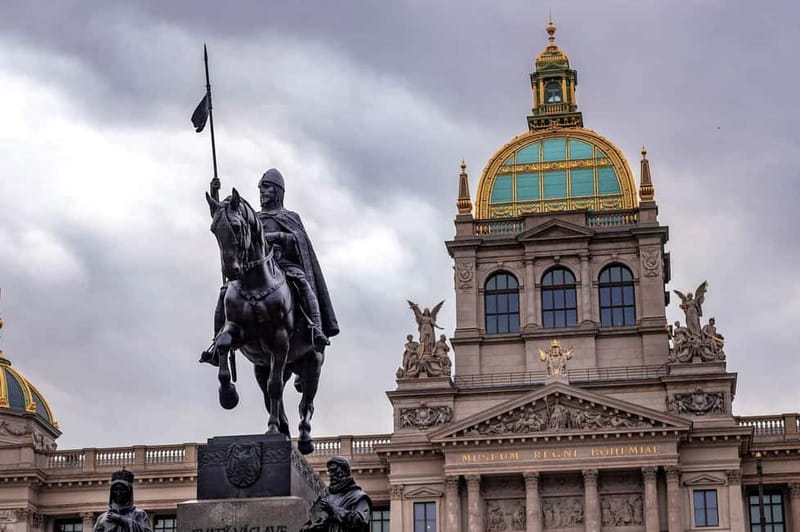
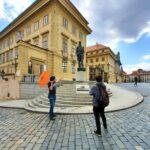
The tour begins at Statue of Saint Wenceslas on Vaclavske naměsti, in front of the National Museum. It is an easy meeting spot to find, and the location is perfect for a quick orientation moment before you get into the heavier material.
From there, you spend your time in central Prague moving between key WWII-relevant locations. The tour includes a Prague public transport ticket, so you are not stuck trying to figure out transit mid-walk, and you can travel without turning the experience into logistics.
The route ends at the Dancing House area, and the operator also notes the activity ends back at the meeting point. In real life, that usually means you get close to where you started, which is handy if you plan to continue exploring on your own. Either way, it helps you avoid that feeling of being dropped somewhere inconvenient.
Reinhard Heydrich and Operation Anthropoid at the Parachutists Church
This is the heart of the tour: the story of Reinhard Heydrich, often described as the architect of death tied to Nazi atrocities, and the daring resistance operation that struck him. You will learn how his position made him especially dangerous, and why his demise was such a high-profile blow to the Nazi leadership.
Then the tour zeroes in on Operation Anthropoid, the assassination effort. The pacing here matters. Instead of tossing information at you, your guide ties the operation to the surrounding streets and landmarks, so you get a sense of the physical reality of what resistance looked like.
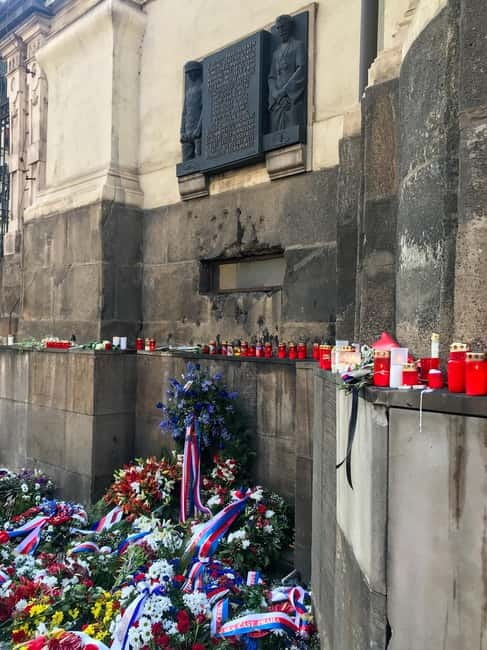
A major stop is the Parachutists Church, where entrance is included. This is where the story gets visibly real. The church is connected to the paratroopers and the events around the operation, and the tour includes a look at unique bullet holes. Seeing damage you can point to with your own eyes helps the whole mission stop feel less like a story you read and more like a moment that actually happened to people.
If you like tours that are built around specific sites instead of long narration, this section is a strong match. Just note that it is also emotionally heavy, because it deals with occupation, violence, and retaliation.
Prague in 1945, From Bombing to the Uprising
After the resistance story, the tour shifts to what happened when the war turned in 1945. This part helps you understand that Prague was not only a background setting for history, it was a place experiencing the war’s pressure directly.
You hear about the bombing of Prague in 1945 and the Prague uprising in 1945. The guide’s job here is to connect those events back to the earlier occupation themes, so you can see how desperation and resistance evolved as the end of the war approached.
This section is valuable because it stops the WWII narrative from feeling one-dimensional. Many people arrive in Prague thinking it was mostly about the earlier Nazi period. Here, the tour keeps pulling you forward, showing the war’s endgame and how quickly cities can swing from oppression to open conflict.
A small consideration: because the material is intense, this is not the best choice if you want a purely light, sightseeing-heavy walk that day. You will be thinking, not just snapping photos.
Nicholas Winton and the Kindertransports, A Different Kind of Rescue
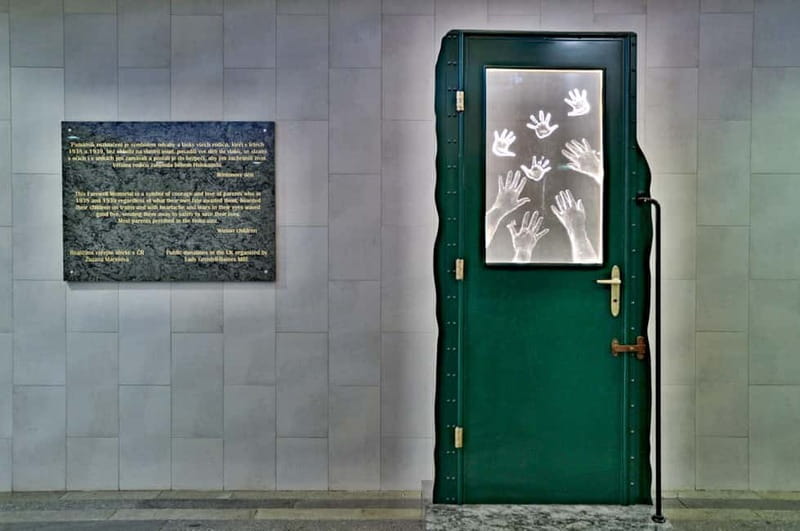
One of the most memorable parts of the tour is the story of Nicholas Winton, who helped save 669 Jewish children through the Kindertransports. If you know him only from later retellings, this tour gives you the human weight of the rescue mission and places it within the WWII timeline.
This is also a nice balance within a WWII-focused experience. Assassinations and occupation are part of the story, but so is the effort to prevent tragedy when there is still a narrow window to act. Winton’s work gives you a “what can one person do” angle, and the number 669 is so specific that it sticks.
The guide also ties the story to what many people associate with the film One Life, which helps you orient the emotional arc even if you have seen the movie. You do not have to be a film buff to appreciate it, though. What matters is that the story is presented as action, logistics, and moral decision-making, not just a feel-good ending.
If you want a tour where the darkest themes are balanced with real accounts of rescue, this is a standout.
Gestapo Headquarters and Resistance Stories With Survivor Voices
The tour also includes the former Gestapo headquarters, a place tied to secrets and fear. Even if you have visited other WWII sites in Europe, the Gestapo angle tends to hit differently because it is about control mechanisms, not just battlefields.
What I like here is that the tour treats resistance and survival as something people did under pressure. You get context for why certain choices were dangerous, why secrecy mattered, and why the resistance movement needed more than courage. It needed timing, networks, and nerve.
One of the guides, mentioned in reviews as Gerry, is praised for pulling in stories connected to war survivors themselves. That matters, because it keeps the tour from feeling like a general lecture. When a guide uses survivor voices or survivor-sourced accounts, the experience becomes more grounded, and you are more likely to remember the details afterward.
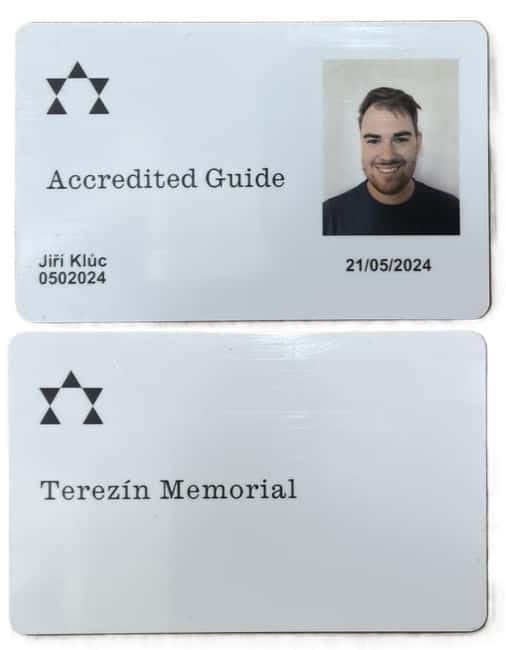
There is also a subtle craft to the storytelling. Reviews highlight guides like Jiri for making Prague feel like it comes alive through personal, passionate narration. In a walking tour, that is exactly what you want, because you are not just moving through space, you are building meaning as you go.
Small Group Logistics: English Guide, Transit Ticket, and Pace
This is a small group tour limited to 7 participants, which is the sweet spot for a walking history outing. You get enough people to create energy, without the chaotic “herding cats” problem.
You also get an English-speaking live guide, plus water. That sounds basic, but on a tour with heavy WWII content, small comfort details help you stay focused instead of distracted.
You will also benefit from the included entry to the Parachutists Church, and the tour notes you can skip the ticket line. That is a quality-of-day issue, not just a time saver. You spend fewer minutes waiting and more minutes listening, and that matters on a 2.5-hour schedule.
A practical fit note: the tour is not suitable for children under 10 and not suitable for pregnant women. It also lists limits for people with mobility impairments and wheelchair users. Even though wheelchair access is mentioned elsewhere, the safest move is to confirm the exact route and physical demands with the provider before you book.
Price and whether $61 is good value
At $61 per person for 2.5 hours, the price feels fair because you are not just paying for narration. You are paying for a historian-style guide who can connect the sites into a coherent WWII story, plus you get a public transport ticket, water, church entrance, and the benefits of skipping lines.
Where the value really shows is in the amount of expertise and attention you get from a guide in a group of up to 7. If you have ever done big-bus tours in Europe, you know the difference. Here, the pace stays human, and the guide can react to questions instead of sticking to a script.
You also have to consider opportunity cost. If you only have a short window in Prague, paying a set price for a tightly structured WWII walkthrough can be smarter than piecing together sites on your own without context. The included transport ticket also helps you avoid “extra spend creep.”
So yes, it is not the cheapest tour in town. But for what you get, it lands in the sensible range for a guided, site-based history experience.
Practical Tips so You Get More Out of It
Wear comfortable shoes. Prague streets can be uneven, and a 2.5-hour walk adds up even when the group is small.
Bring a bottle mindset. Water is included, which helps, but you still want to pace yourself, especially if you are prone to getting tired while standing and walking.
Also, consider your tone for the day. If you want light entertainment, this is not that. If you want history you can track through real buildings and names, it is a strong choice.
If you have a specific interest within WWII Prague, like Heydrich, the resistance assassination effort, the Kindertransports, or the 1945 turning point, this tour’s structure makes it easier to follow those threads without getting lost.
Should You Book This WWII Walking Tour in Prague?
Book it if you want a story-led small group that connects major WWII events to specific Prague locations you can actually see and remember. The guide style, praised in reviews with names like Gerry and Jiri, is a big reason this tour earns high marks, because it turns the city into something personal and understandable.
Skip or think carefully if you need a gentle, casual sightseeing day. The content is intense, and the operator lists limits for certain travelers, including children under 10, pregnant women, and people who use wheelchairs or have mobility impairments. If that applies to you, confirm the real-world route details before committing.
If you like guided history that stays grounded in place, this one is a solid value and a meaningful way to see Prague beyond postcards.
More Tours in Prague
More Tour Reviews in Prague
Not for you? Here's more nearby things to do in Prague we have reviewed





Communism & WWII History Tours, compared.
 ★ 4.7Communism History and Nuclear Bunker Guided TourFrom $442,417 reviews
 ★ 5.0Prague Communism History and Nuclear Bunker TourFrom $451,742 reviews
 ★ 5.0Communism & Nuclear Bunker Tour + 70s Canteen Lunch (own expense)From $351,036 reviews
 ★ 4.7WWII Guided Tour & The Crypt of Operation AnthropoidFrom $421,030 reviews
 ★ 5.0WWII in Prague Tour & The Crypt of Operation AnthropoidFrom $43817 reviews
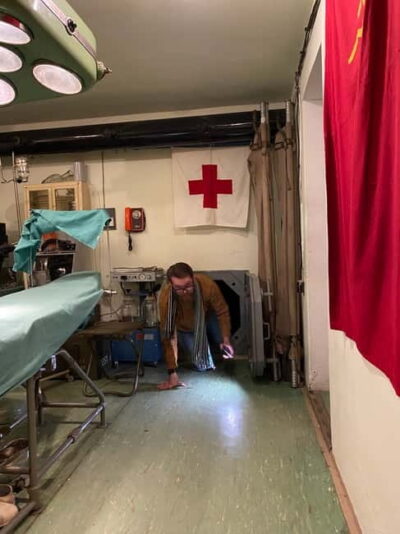 ★ 4.8Communism and Bunker Tour with 70s Canteen LunchFrom $33250 reviews
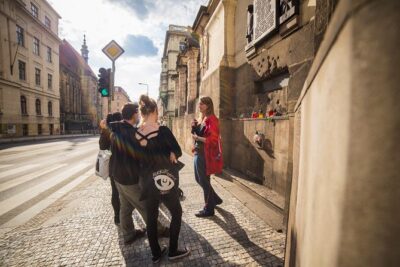 ★ 5.0Small-Group World War 2 & Operation Anthropoid Tour in PragueFrom $33231 reviews
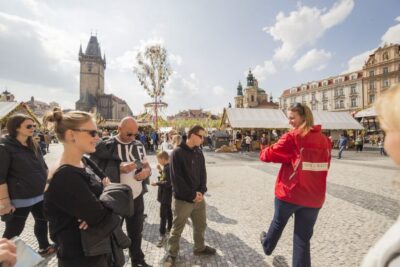 ★ 4.8World War 2 and Operation Anthropoid Walking TourFrom $32193 reviews
Browse the lists this tour appears in