
REVIEW · COMMUNISM & WWII HISTORY TOURS
Prague: World War II and Communist History Tour
History can feel close when the streets talk back. This 2.5-hour walk strings together the Nazi occupation years and the Velvet Revolution era in one clear, human timeline. I like that it does not treat the 20th century as separate chapters, it shows how one political shock leads to the next, and how people tried to survive, resist, and then hope again. You also cover major city landmarks tied to these events, from the Municipal House to Wenceslas Square.
The other big win is the way the guide turns the big events into local stories you can picture while you’re walking. Guides named Daren, Adam, Tony, Zac, and Sean come through with the same goal: make the dates make sense on the ground, and keep you moving without drowning you in facts. One thing to consider is that some stops are not dramatic-looking in the present, so the story matters more than the scenery, and the subject matter stays heavy.
Key Points Worth Packing For
- A 20th-century timeline that connects wars to street-level consequences, from Nazi rule to Velvet Revolution 1989
- Multiple landmark stops, including the Municipal House, Jewish Quarter area, Dancing House, and Wenceslas Square
- Real resistance history, including where a top Nazi security leader was assassinated and the aftermath
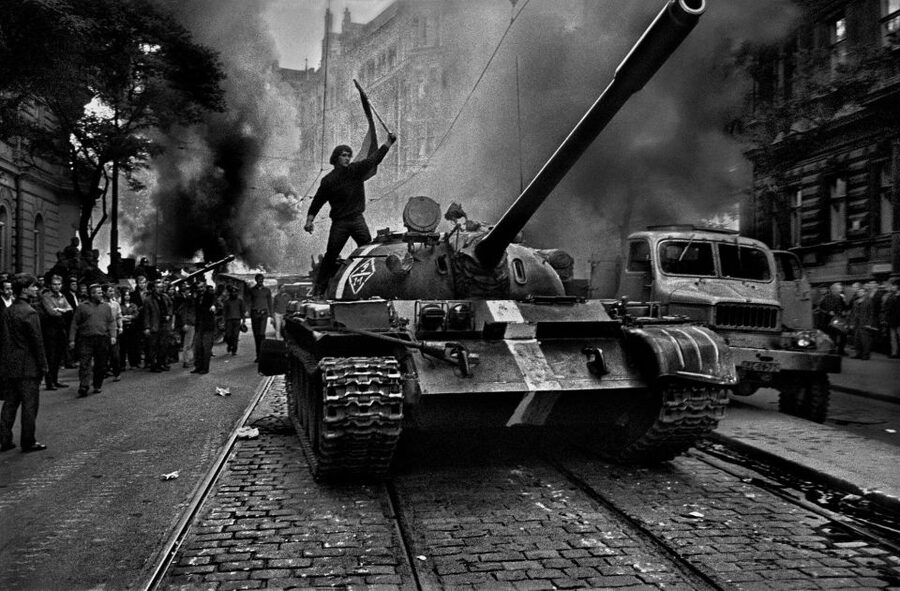
- Communist-era themes you can name, from Prague Spring to Warsaw Pact invasion, then Normalization and dissident activity
- English live guiding in 150 minutes, so you get context without needing a full day of museums
From Nazi Occupation to Velvet Revolution, Why This Tour’s Story Works
Prague has a talent for looking beautiful while carrying trauma underneath. This tour makes you use that contrast on purpose. You do not just see buildings, you learn what changed when power switched hands, who benefited, who suffered, and how ordinary people adapted.
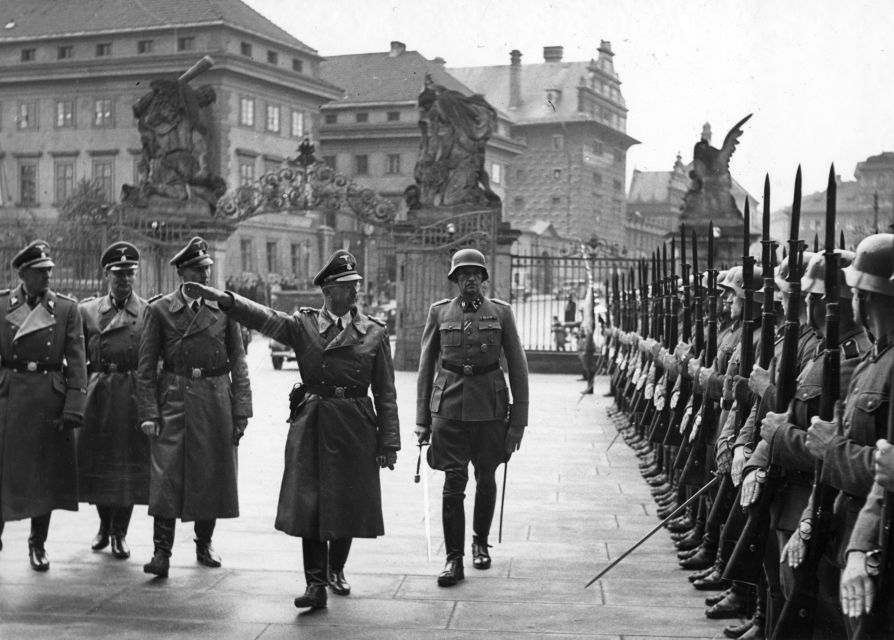
I also like how the tour keeps the arc of modern Czech history readable. The walking route links World War II and Nazi occupation to the Czech uprising and the brutal retribution that followed. Then it carries you forward into the Communist coup and later the letdown that came with life under the new regime. You end up with a full emotional map: euphoria during the Prague Spring, shock during the Warsaw Pact invasion, then years of tight control and resistance under Normalization, including persecution tied to groups like the Plastic People of the Universe and pressure on Charta 77.
That structure is exactly what helps most visitors. Prague can overwhelm you with centuries. Here, you get a focused thread, and you start to recognize patterns, like how propaganda works, how arrests reshape daily life, and how courage shows up even when the odds look terrible.
You can also read our reviews of more historical tours in Prague
Meeting at Týnská and What 150 Minutes Really Means on Your Feet
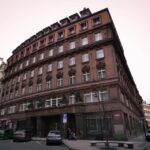
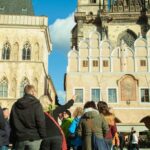
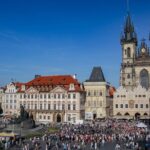
You meet at Týnská 639/4 in Staré Město, near the Old Town area. The tour is 150 minutes, a good length if you want real substance but still want time for dinner and a self-guided wander afterward.
Expect a walking format that stays practical. It is not a bus tour where everything happens at a distance. You move through different parts of central Prague as the story shifts from occupation to uprising to Communist rule. That matters because these eras left behind a patchwork of visible signs. Some places look like normal city life today, which is the point. It forces you to pay attention to what you’re hearing, not just what you’re seeing.
One review detail that convinced me to take this seriously is how guides can keep the tone steady even in rain. If you’re visiting in colder months, dress for weather and bring a layer. The tour is short, but it still asks you to stay outside and keep your focus while the story turns darker and sharper.
Municipal House and the Jewish Quarter, Where Prague’s Public Life and Private Life Collide
The Municipal House is one of the stops that helps you understand why regimes care about public spaces. You’re not only learning about battles and political decisions. You’re learning about who gets to define culture, who gets access, and how power spreads through everyday institutions.
From there, the tour shifts toward the Jewish Quarter area. This is where the city’s 20th-century story stops being abstract. The Jewish community was deeply affected by the Nazi occupation and the machinery of persecution. Even if you already know the outlines, standing in the streets around these neighborhoods helps you grasp the human scale.
I like that this tour does not pretend there was a clean break between eras. It helps you see how World War II set up conditions that the Communist period would later reshape again, just with different slogans and different enemies. You also get a better sense of why people remember certain places with such intensity. These are not just backdrops, they’re reminders of what was lost and what had to be rebuilt.
The Nazi Occupation Story, Resistance, and the Price Paid After
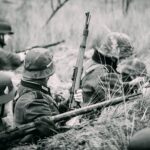
The tour’s WWII focus is one of its strongest reasons to choose it early in your trip, before you start filling the gaps with random reading. It moves through Nazi occupation and Czech resistance in a way that keeps you oriented.
You learn about how occupation turned a state with industrial strength and modern ambitions into a nightmare. The story focuses on both the occupiers and the locals who resisted, not just one side. You also hear about the Czech uprising, then the consequences. That cause-and-effect is important. It’s easy to reduce resistance to heroism. Here, you learn what came next, including the harsh retribution that followed.
A memorable detail: you also get to hear where the Nazi head of the security services was assassinated. The tour connects this act to what it triggered afterward. If you’ve read about resistance or watched films like Anthropoid (often recommended as a follow-up), you’ll recognize the themes immediately, but you’ll understand them differently after walking through the setting tied to the real event.
Church Crypts and Operation Anthropoid: How the Tour Makes Resistance Feel Concrete
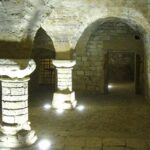
Some tours stop at a plaque and call it done. This one tries to make the resistance story physical. Depending on the day and route, you may be taken near a church connected to resistance activity, including a crypt that served as hiding space.
That kind of stop does two useful things for you. First, it makes the risk more real. Second, it gives you a sense of how resistance worked in everyday corners, not only on battlefields.
If you care about Operation Anthropoid specifically, you will likely get a stronger emotional understanding here. One review mentioned a museum connection as well. Even without turning this into a full museum day, the tour uses these references to help you connect the story you hear with something you can later look up with better context.
And yes, this is where the tone gets heavy. You’re learning about violence, arrests, fear, and the fact that resistance always had a price. If you prefer cheerful history only, this may not be your cup of tea. If you want history that explains why people carry memory so deeply, this is exactly the right kind of tour.
Prague Spring to Warsaw Pact Invasion: The Euphoria, Then the Reality
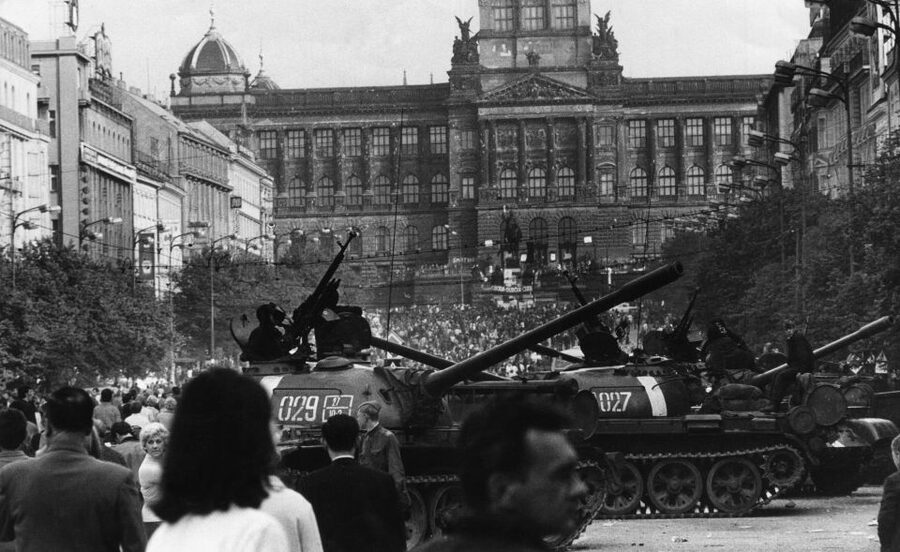
After WWII and occupation, the tour moves into the Communist era with a clear timeline. You cover the Communist coup and the letdown that followed. Then you hit the moments Czech people still talk about in emotional terms, especially Prague Spring.
This part works because you hear the story as a shift in atmosphere, not just a change in leadership. You learn how reform hopes built, how freedoms felt possible, and then how quickly that hope got crushed when the Warsaw Pact invasion happened.
If you’re the type who likes to understand why people made certain choices, this section is the payoff. You stop thinking of Prague Spring as a name on a calendar, and you start thinking about it like a window of time where people believed the future could be different.
Normalization, Plastic People of the Universe, and Charta 77
Then comes Normalization, which is where the tour gets especially relevant to modern life. You see how a regime tightens control again, and how culture becomes a battleground.
Two dissident threads get highlighted: persecution related to the Plastic People of the Universe and pressure tied to Charta 77. Hearing these names while walking around central Prague makes them easier to remember. It also changes how you interpret later events. Dissidents are not just footnotes in a political timeline. They are human beings trying to live honestly under censorship and intimidation.
I also like that the tour doesn’t sanitize the period. It gives you the moral weight and the daily pressure, which helps you understand why dissidents later gained such strong symbolic power. Even if you only know the headlines, this tour helps you grasp what those headlines meant to real people living real lives.
Václav Havel and the Velvet Revolution 1989, Where Hope Gets to Walk
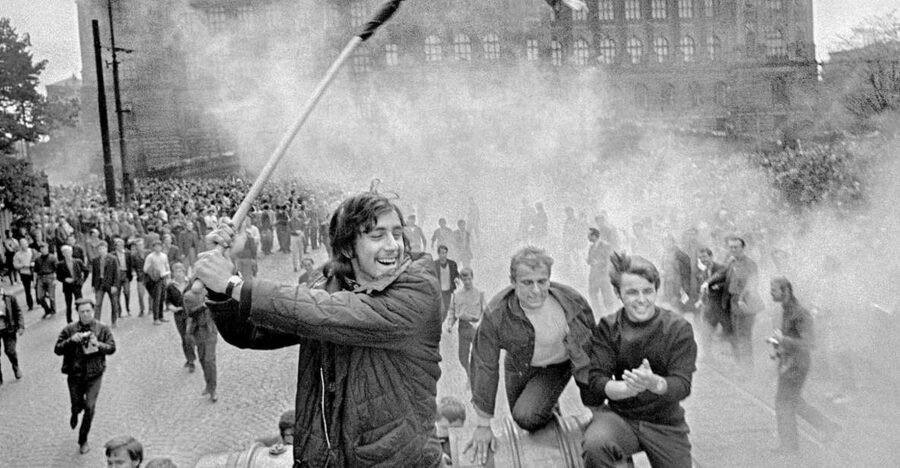
The final emotional swing is the Velvet Revolution. This is where the tour shifts from survival to change.
You learn about how Václav Havel and an eclectic group of dissidents were swept to power by a wave of public momentum in 1989. The tour links the dissident movement to the street-level energy that made reform possible. It’s not presented as magic. It’s presented as people pushing, speaking out, organizing, and refusing to disappear quietly.
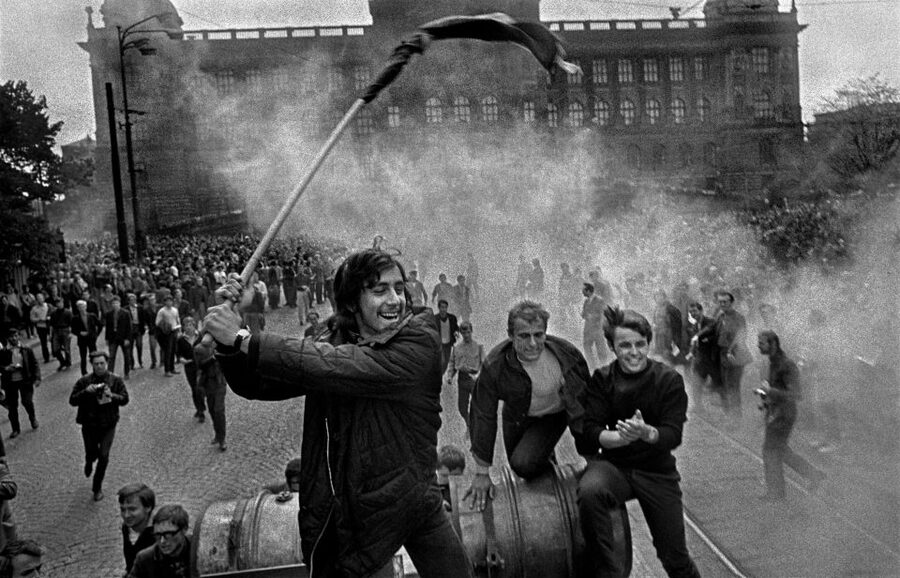
This is also where visiting key central sights helps. The story lands in places like Wenceslas Square, which you can now read differently. Before the tour, it might be just a busy avenue with strong architecture. After the tour, you’ll start seeing it as a stage where politics became public and people felt that the future could finally bend.
Dancing House and Wenceslas Square, Two Landmarks With Two Different Lessons
The Dancing House is not usually the first stop people think of for wartime or Communist history. That’s why I like its inclusion. It gives you a reminder that Prague continued changing through the whole period, even when politics were violent and constricting. A city does not freeze. It transforms.
Wenceslas Square, on the other hand, is about the public face of power and protest. By the time you reach it, you’ve already heard how regimes tried to control narratives, how people resisted through speech and culture, and how 1989 became a turning point.
Put simply, you leave this tour with better city reading skills. You see landmarks and think: What did this place mean to people at the time? Who controlled it, who used it, and who tried to change it?
Price and Value: Why $34 for a Focused 2.5-Hour Story Can Be a Smart Move
At about $34 per person for a 2.5-hour walking tour with a live English guide, the value is solid for anyone who wants context fast. This is the practical part: you are paying for narration you cannot easily recreate on your own while walking past the same buildings.
If you love history, you might still visit museums afterward. But as a starting point, this tour helps you avoid the common problem of reading about Czech history in bits and then feeling lost. Here, the guide gives you the big sequence, the cause-and-effect, and enough human detail to make the names and dates feel connected.
Also, a small detail worth noting is pacing. Multiple guides in different time periods are praised for keeping the story moving so the hours feel manageable. That matters for a topic this heavy. You want clarity, not a lecture that keeps repeating the same facts.
Who tends to enjoy this most:
- First-time visitors who want the 20th-century story with key stops
- History buffs who like political timelines plus local storytelling
- Anyone who wants their Prague sightseeing to mean something
Who might hesitate:
- People looking for a light, scenic walk
- Anyone who struggles with emotionally intense subject matter for long periods
Should You Book This Prague WWII and Communist History Tour?
If you want your Prague to make sense in the 20th century, book it. This tour does a rare thing well: it connects Nazi occupation, resistance, Communist rule, Prague Spring, and the Velvet Revolution into one storyline that you can follow while walking real streets. The best guides, including those like Daren, Tony, and Zac, make the events feel personal without losing the broader picture.
If you are short on time, this is a strong use of 150 minutes. You’ll leave with names you can actually place in time, and a clearer sense of why Prague remembers what it remembers.
If you tell me your travel month and your walking comfort level, I can suggest how to pair this with other parts of Prague so the day feels balanced.
More Historical Tours in Prague

More Tours in Prague
More Tour Reviews in Prague
Not for you? Here's more nearby things to do in Prague we have reviewed








Communism & WWII History Tours, compared.
 ★ 4.7Communism History and Nuclear Bunker Guided TourFrom $442,417 reviews
 ★ 5.0Prague Communism History and Nuclear Bunker TourFrom $451,742 reviews
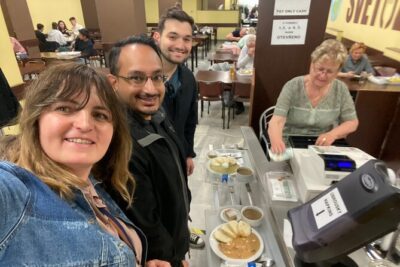 ★ 5.0Communism & Nuclear Bunker Tour + 70s Canteen Lunch (own expense)From $351,036 reviews
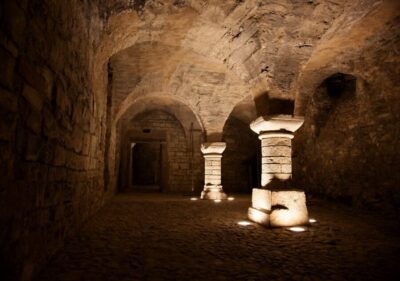 ★ 4.7WWII Guided Tour & The Crypt of Operation AnthropoidFrom $421,030 reviews
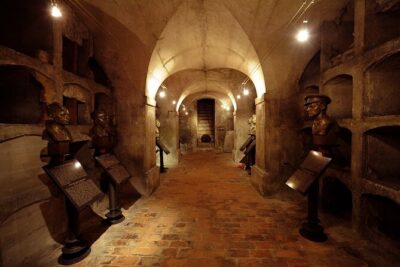 ★ 5.0WWII in Prague Tour & The Crypt of Operation AnthropoidFrom $43817 reviews
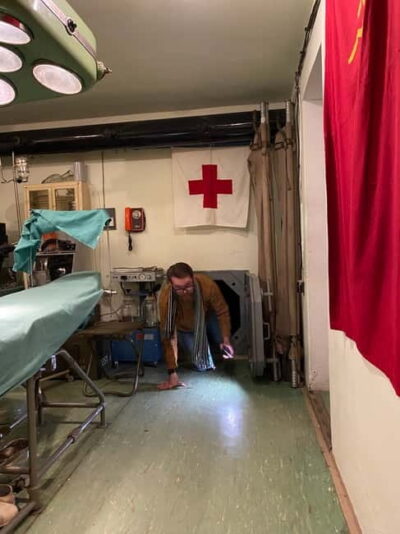 ★ 4.8Communism and Bunker Tour with 70s Canteen LunchFrom $33250 reviews
 ★ 5.0Small-Group World War 2 & Operation Anthropoid Tour in PragueFrom $33231 reviews
 ★ 4.8World War 2 and Operation Anthropoid Walking TourFrom $32193 reviews
Browse the lists this tour appears in