
REVIEW · MARKETS
Prague: Market Tour and Traditional Czech Cooking Class
Cook Czech food in a real studio.
This experience pairs a guided stop at a local farmer’s market with a hands-on Czech cooking class led by an English-speaking chef guide at Chefparade Cooking School in Prague. You’ll shop for key ingredients, then cook a full 3-course meal side-by-side in a modern, practical kitchen setting, with recipes you can take home.
I especially like two things: you learn by doing, not just watching, and you eat what you cook as your lunch. One thing to consider is that the exact menu can shift based on what’s in season and what you request, so the dishes may not match the list perfectly on every date.
Key things to know before you go
- Market-first start at 9:00 to spot the freshest produce while it’s still active
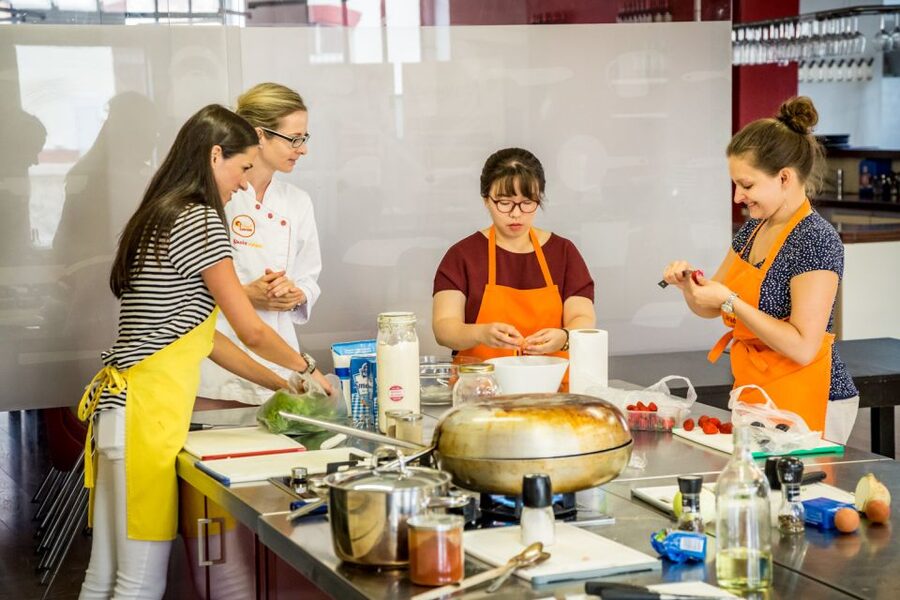
- Chef-led, side-by-side cooking in a contemporary studio setting with utensils and aprons provided
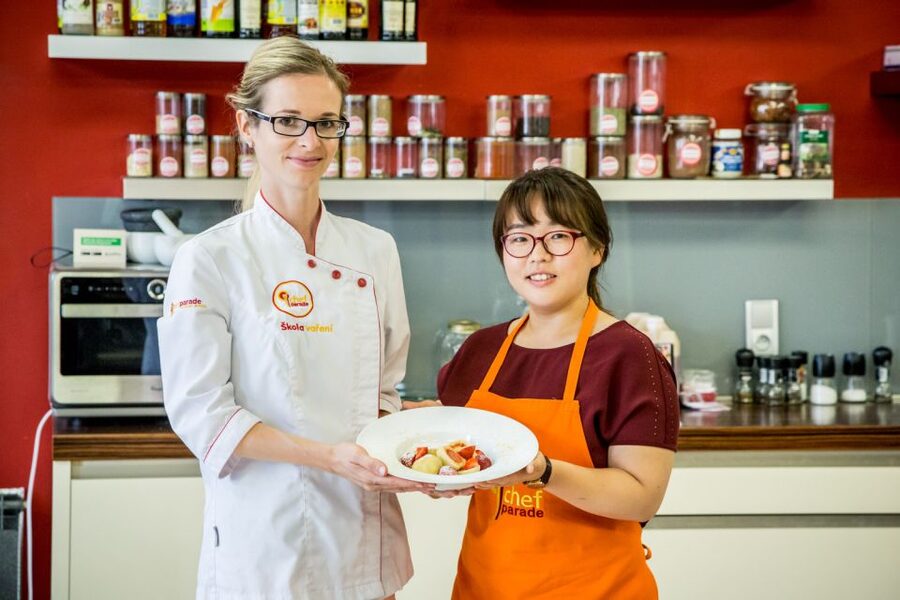
- A guaranteed 3-course meal you make and then sit down to eat
- Czech classics you can actually master like bramboračka potato soup and goulash with dumplings
- Dessert skills too, including apple strudel (and other traditional sweets depending on the menu)
- Instructors like Ana or Vladimir can bring clear, friendly guidance, including practical flavor tips
Prague Market Tour and Traditional Czech Cooking Class, how the day flows
This is a half-day food experience designed to make Czech cuisine feel doable, not mysterious. The structure is simple: you go shopping, you cook together, then you eat. That rhythm matters because Czech dishes rely on technique, timing, and flavor building, not just ingredients. Seeing what goes into the meal first makes the cooking stage click faster.
You start at Chefparade Cooking School in Prague 7, Holešovice, at the Prague Market area (Bubenské nábřeží 306/13, Hall No. 36). From there, if you chose the market option, your morning begins with a guided walk through a farmer’s market. After shopping, you move back to the studio kitchen to cook as a group and eat your 3-course lunch.
The class is scheduled for about 3.5 to 4 hours, and it typically runs late morning so you finish with lunch. If you prefer afternoon, the class can be adjusted by prior agreement, but you’ll want to confirm the timing directly with the provider.
You can also read our reviews of more shopping tours in Prague

Farmer’s market at 9:00, what you’re really gaining
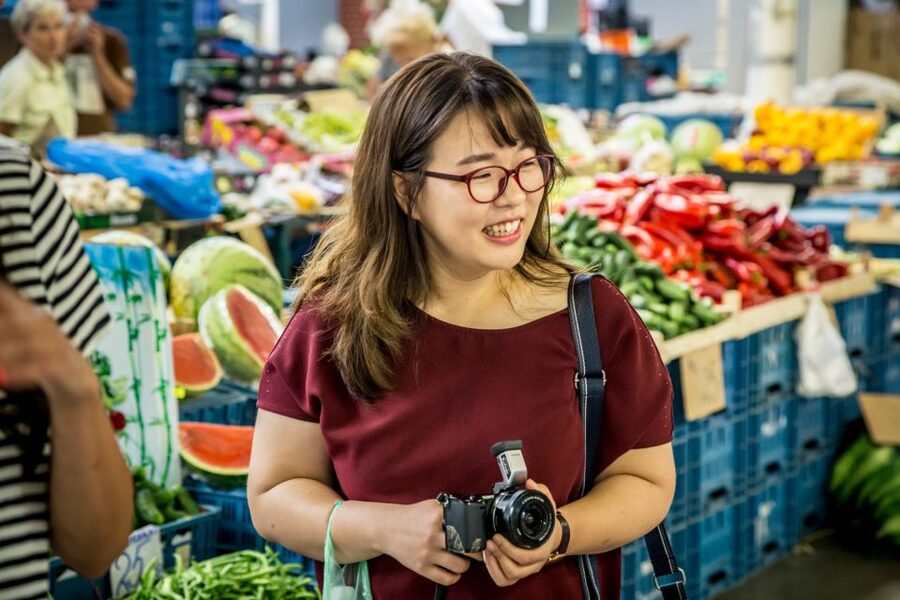
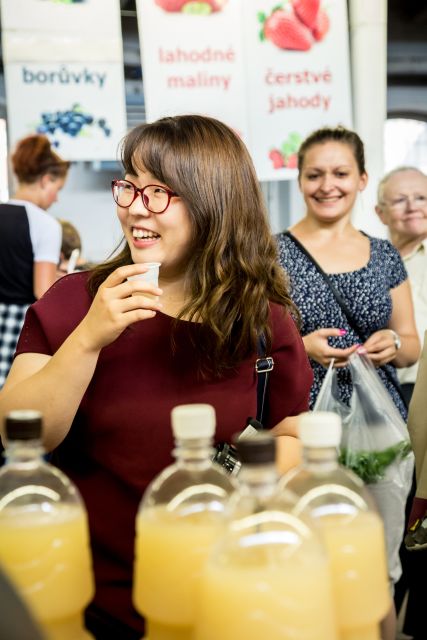
If you add the market tour, it starts at 09:00, when the market is at its most active. That early timing is a smart move for learning, because sellers are still arranging stock and you can ask questions while the market is fully “open for business.”
During the tour, your chef guide points out ingredients that matter for Czech cooking. You’re not just looking at pretty produce, you’re learning what to buy so the dishes you cook in the studio feel authentic. Expect to notice how different ingredients show up across the menu, from potatoes and herbs to items used for soups, dumplings, and sweeter course ideas.
A practical advantage here is that you also leave the market with a short list in your head. When you get back to the studio and someone starts chopping, stirring, and seasoning, you already know what the “ingredients story” is. It makes the techniques easier to remember, and it makes you more confident when you cook at home later.
One small caution: your studio menu can change based on what’s seasonal and what you request. So think of the market tour as ingredient education first, and a supply run second.
Chefparade Cooking School kitchen setup, where the hands-on part happens
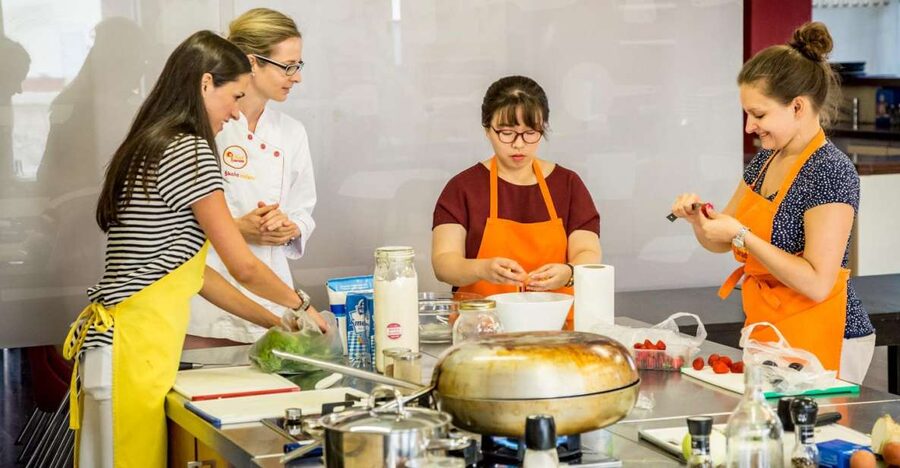
Chefparade’s kitchen is described as contemporary and cosmopolitan, which is travel-speak for: you’re cooking in a real studio space that feels comfortable and modern. You’re not stuck in a cramped kitchen where the class turns into a one-person-at-a-time shuffle.
You’ll use kitchen utensils and equipment provided by the school, and you’ll get aprons. That’s a big value detail if you’re traveling light, since you don’t need to plan for cookware or protective clothing. The instruction is led in English (and also Czech), so you can follow along even if you don’t speak Czech.
A key part of the class is cooking “side-by-side” with a local chef guide. The point is that Czech cooking techniques are tactile: mixing dough, getting dumplings to hold their shape, seasoning soups, and understanding how potatoes behave when cooked a certain way. A good teacher will slow down and make sure you understand what you’re doing, and the class has a strong reputation for exactly that.
You may even get instructors known from past sessions, including Ana and Vladimir, and that human factor is a big deal. People consistently appreciate instructors who explain flavor and technique clearly, not just recipes.
Your 3-course Czech menu, what you might cook (and why it matters)
All guests prepare a 3-course meal and then eat it. Menus can be adjusted based on requirements and what’s in season. Still, there are “usual suspects” that define the Czech comfort-food lineup this class teaches.
Start: soup or potato base, like bramboračka
One typical first course is bramboračka, a traditional potato soup with mushrooms. Potato soup is a great Czech dish to learn because potatoes are forgiving, but seasoning is not. You practice building a savory base that feels rich without turning into something heavy or greasy.
Depending on the menu, you might also see options like a creamy spinach soup with herb croutons. That’s useful if you want something lighter in flavor while still learning classic Czech seasoning habits.
More Prague city tours, river trips, and Czech day trips to compare
Main: goulash, dumplings, or potato pancakes
For a hearty main, the class often includes goulash with dumplings from Carlsbad, sometimes described as Carlsbad dumplings. This is the kind of dish where technique matters. Dumplings can be dense, bouncy, or gummy depending on how they’re handled, and a chef guide’s coaching can make the difference between “homemade-ish” and “really good.”
Another main-course option you might learn is bramboráky, potato pancakes. These help you understand how Czech cooking uses potatoes in multiple forms, not just boiled or mashed.
Another main option: rabbit or baby chicken with Easter-style stuffing
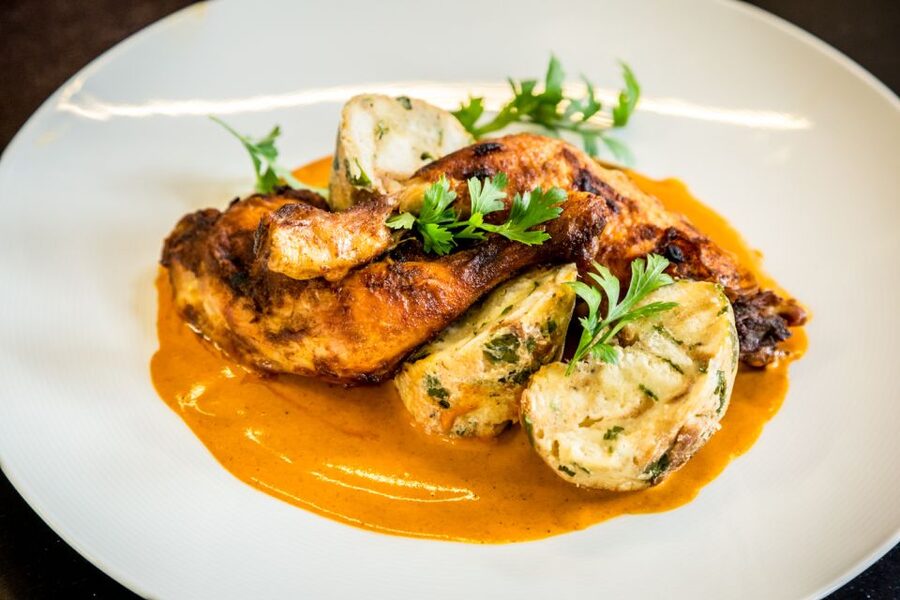
If your menu includes it, you may cook rabbit or baby chicken with Easter stuffing and new potatoes with chives. This is more niche than the everyday tourist menu, and it’s part of what makes the class feel authentic. It also broadens your skills beyond just potatoes and sauces.
Dessert: sweet Czech cake and apple strudel style sweetness
For dessert, you’ll see a traditional sweet like beránek, a Czech cake. You’ll also learn about making sweet apple strudel, which is one of the most recognizable flavors of Czech pastry culture. Even if dessert plans vary, the takeaway is consistent: you’ll learn how Czech sweets balance fruit, spice, and pastry texture.
The smartest way to approach the menu is to treat it like a syllabus, not a checklist. Season and availability can change what lands on your cutting board, but the techniques you practice are the core of Czech cooking.
The market ingredients to the dumplings stage, practical technique you’ll use again
This class is built around technique you can repeat after you go home. That’s why it’s more valuable than a quick tasting.
Here’s what you’re likely to feel by the time you sit down to eat:
- You understand how to season a soup so it tastes finished, not flat.
- You learn how to handle dough for dumplings so the texture stays right.
- You get a sense of how Czech kitchens treat potatoes as a building block for both savory mains and side dishes.
- You pick up flavor tips from your chef guide, including how to add depth as you cook rather than trying to fix things at the very end.
The class also provides recipes you can take with you. Recipes matter because they’re your memory support for technique, not just ingredient lists. When you cook later, you’ll be able to follow the same steps and remake the dishes you liked.
Eating your lunch you made, and why that changes the whole experience
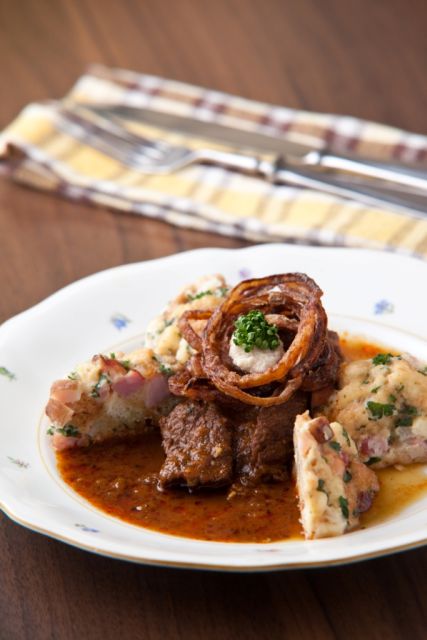
A cooking class that ends with you eating what you cooked is not just a perk. It’s part of how the lesson sticks. While you’re eating, you can connect your actions to the outcome, like how your seasoning choices changed the soup taste or how the dumplings held up on the plate.
The format here is also clear and social. You’re in a group, you cook together, then you sit down for your 3 courses. That makes it easier to talk with your chef guide and ask questions in plain language, without the pressure of a restaurant setting.
Also, the “scrumptious” part is practical: you’re not paying for a snack and sending yourself back into Prague hungry. You finish with a proper lunch, which is a big deal if you’re doing other sightseeing after.
Price and value in Prague, what $227 buys you
At $227 per person, this is not a budget activity. But it is priced like a real class, not a tasting. You’re paying for:
- Ingredients for a full 3-course meal
- Kitchen equipment and workspace
- Aprons and guided instruction by a local chef guide
- Recipes to take home
- And, if you choose it, the market tour option
If you compare it to paying for a private cooking workshop plus ingredient costs on your own, the value starts making sense. This is essentially a guided kitchen session with a built-in lunch and shopping stop.
The best way to judge whether it fits your travel style is simple: if you enjoy hands-on activities and want skills you can repeat, the price is easier to justify. If you just want to eat Czech food and skip the work, you might get more value by doing tastings elsewhere.
Logistics that matter, meeting point and timing
You meet at Chefparade Cooking School at Bubenské nábřeží 306/13, Prague Market, Hall No. 36, Prague 7, Holešovice. The activity ends back at the meeting point, so you do not need a separate return plan.
You should also plan your day around a late-morning finish for the standard timing. The schedule can run 3.5 to 4 hours, and start times depend on availability, so you’ll want to check what works before you commit.
One practical note: you should contact the vendor to confirm your date and time at least 24 hours in advance. That prevents the annoying travel-day confusion that can happen with any popular food experience.
Hotel pickup is not included, so you’ll want to plan your own way to Holešovice.
Who should book this Czech cooking class, and who might not
This works especially well for:
- Food lovers who want a real skill, not just a meal
- Travelers who like learning from local chefs and prefer structured, guided instruction
- Anyone who wants to try Czech classics like goulash, bramboračka, dumplings, and apple strudel
- Small groups who enjoy shared activities and a social meal at the end
It might be less ideal if:
- You hate kitchen work or prefer eating only
- You have strict dietary needs but don’t want to coordinate, since menus can be adjusted yet still depend on the seasonal menu and what’s available
- You need a very tight schedule, since it runs about half a day and it typically finishes with lunch
The upside is that the class is wheelchair accessible, which is a real comfort detail if mobility is part of your planning.
Should you book? My straight answer
Book it if you want a Prague experience that teaches you Czech cooking with real technique, then feeds you a proper lunch right away. The market-first approach plus the 3-course hands-on format makes it feel worth the money, even though it’s not cheap.
Skip it if you’re mainly looking for a quick meal or a flexible sit-down restaurant plan. This is a working class, and the value comes from doing the cooking and learning the why behind the dishes.
FAQ
Where is the meeting point for the cooking class?
The class meets at Chefparade Cooking School, Bubenské nábřeží 306/13, Prague Market, Hall No. 36, Prague 7, Holešovice. It ends back at the same meeting point.
How long does the experience take?
The duration is about 3.5 to 4 hours. Exact starting times depend on availability.
Is a market tour included?
A market visit is included if you select the option for it. If you choose the morning tour, the market visit starts at 09:00.
What dishes are typically included in the 3-course meal?
The menu can change based on the season and your needs, but common items include bramboračka (potato soup with mushrooms), goulash with dumplings from Carlsbad, bramboráky (potato pancakes), fruit dumplings with cottage cheese (ovocné knedlíky), spinach soup with herb croutons, and desserts like beránek. Apple strudel is also part of what you learn.
Are recipes included?
Yes. You’ll receive recipes you can take home after the course.
Do I need to bring kitchen tools or ingredients?
No. Cooking ingredients, kitchen utensils and equipment, and aprons are included.
Is hotel pickup included?
No. Hotel pickup is not included.
Do I need to confirm the date and time?
Yes. You should contact the vendor to confirm your cooking class date and time at least 24 hours in advance.
Is it accessible for wheelchair users?
Yes. The experience is wheelchair accessible.
More Shopping Tours in Prague


More Tours in Prague



More Tour Reviews in Prague


Not for you? Here's more nearby things to do in Prague we have reviewed












Markets, compared.
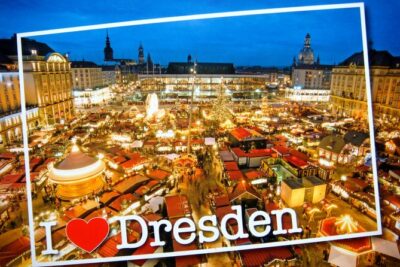 ★ 5.0Dresden Christmas Market & Bastei Saxon Switzerland Tour from PragueFrom $229105 reviews
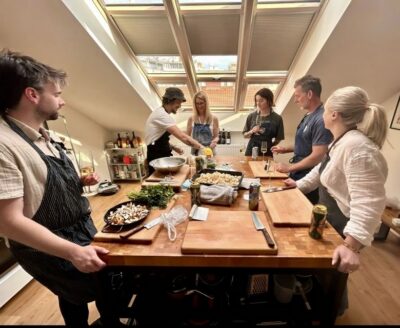 ★ 4.6Traditional Czech Cooking Class with Market TourFrom $15553 reviews
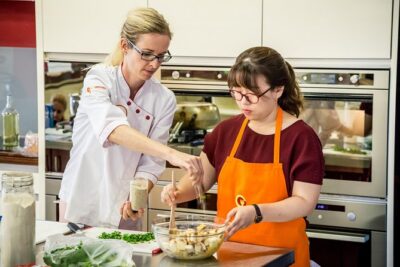 ★ 4.5Prague Cooking Class Including Market Visit and 3-Course LunchFrom $24022 reviews
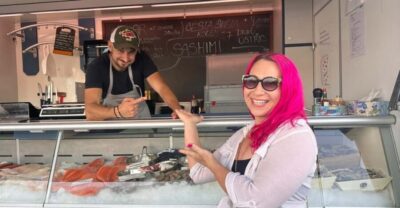 ★ 4.9Farmers Market and Brunch Class with Celebrity ChefFrom $9111 reviews
Browse the lists this tour appears in