
Small group, heavy history, real context. This Terezin concentration camp visit is led by Holocaust historian Jiri Kluc, and it focuses on more than the obvious photo stops, with attention to places like the hidden Prayer Room. I like the way the story is explained with care and respect, and I like that you get real time to ask questions without feeling rushed.
The one drawback is the subject matter. This is a long, somber 4 to 5 hour experience on memorial grounds, so bring patience for the pace and comfort for the emotional weight.
Key Highlights You Should Know Before You Go
- Semi-private group size (max 6) means more time with your guide and fewer distractions.
- Guided by Holocaust historian Jiri Kluc for clear, question-friendly context.
- Small and Big Fortress coverage helps you understand how the camp functioned, not just where it was.
- Hidden ghetto sites you might otherwise miss, including the Prayer Room and National Cemetery areas.
- Admission included in the price, so you are not piecing together ticket steps.
- Transport with bottled water in an air-conditioned vehicle, which is a practical win on a full half day.
Terezin in Context: Why This Camp Still Matters
Terezin, also called Theresienstadt, is one of the most important Holocaust sites in the Czech Republic, and it is also one of the most emotionally demanding. It was the largest former concentration camp in what is now the country, and it holds a complicated history shaped by Nazi planning, propaganda, and brutal confinement.
What I appreciate about this tour is how it treats Terezin as more than a single “camp visit.” You are not just walking through ruins and reading plaques. You are learning how the place worked, how different areas differed, and how the suffering was experienced and recorded. That matters, because the more you understand the setup, the more the memorial stops make sense.
Another thing I value is the respectful tone. The tour is designed to honor the past, not turn it into a quick sightseeing checkbox. If you want your day to be meaningful and grounded, this is the kind of visit that holds your attention without trying to sensationalize anything.
You can also read our reviews of more private tours in Prague



The Practical Setup: Ládví Pickup and a Small-Group Pace
The tour starts back at the meeting point near Ládví in Prague, and it ends there as well. That loop is helpful because it reduces decision fatigue. You do not have to solve transit puzzles mid-day, and you avoid adding stress to an already heavy visit.
You travel in an air-conditioned vehicle, and you get bottled water. These are small details, but on a 4 to 5 hour day, they add up. Comfort helps you focus, especially when you are standing or walking on memorial grounds.
The maximum group size of 6 is one of the biggest practical advantages. In a bigger crowd, you tend to drift ahead, lose track of the story, or just get stuck listening from the back. In a smaller setting, your guide can slow down where needed, and you are more likely to actually hear the answers to your questions.
Also, you get a mobile ticket, which simplifies the day-of experience. If you are the kind of traveler who likes everything ready on your phone, this is a win.
Small Fortress: Gestapo Prison Life in Plain, Guided Detail
The heart of the experience is the Small Fortress, a Gestapo prison used for political prisoners. This is not a vague stop. The guide frames it as a mechanism of repression, and you learn how the fortress setting shaped what imprisonment meant in practice.
On this tour, you spend time learning through the physical layout and the memorial materials associated with the site. That approach helps you connect what you see with the purpose it served. When a guide can explain how a prison space is organized and used, the visit stops feeling abstract.
One practical consideration: the emotional tone here can land hard. This is one of those places where your brain tries to “speed read” the information to get it over with. I recommend doing the opposite. Let yourself absorb the pace. If you rush, you miss the meaning of the smaller features that a historian will point out.
You also benefit from a guide who is a Holocaust historian and local historian. With Jiri Kluc leading, the framing stays consistent: not just dates and facts, but how to understand the camp’s role within Nazi policy.
Ghetto Sites That Go Beyond the Main Path
After the fortress area, the tour moves into the Jewish ghetto context, where more than 35,000 people perished. That number is staggering, but what matters is how the tour places it in the spaces you can still recognize today.
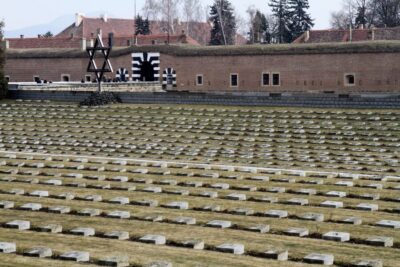
This is where the tour earns its keep for people who already read a bit about Terezin. The visit includes sites that do not always get emphasized in quick group tours. You can expect time at several meaningful spots tied to ghetto life and its destruction, including the hidden Prayer Room, the National Cemetery, and the remains of the railway to the ghetto.
Why are those details so valuable? Because they help you understand the daily reality of confinement and the systems that moved people in and out. A prayer room is not just an interior feature. It is a sign of spiritual life trying to survive in a place designed to crush ordinary existence. A cemetery location shifts the focus from movement and structure to loss and remembrance. Railway remains connect the story to the logistics of deportation and transport.
If you prefer guided history where the guide keeps pulling you back to what the places meant, this part will feel especially strong. It is not only about seeing. It is about learning how to read the landscape.
Museum and Fortresses: Putting Small and Big Fortresses Together
Terezin memorial includes both Small Fortress and Big Fortress areas, plus museum time. That combination helps you build a more complete picture.
The Small Fortress is often the first stop that people think about because of its direct connection to Gestapo imprisonment. Big Fortress, on the other hand, tends to show the broader camp environment and how the larger complex functioned. When you experience both in a single guided flow, you get better contrast. You are not just learning two disconnected spots. You are seeing how different components fit the same Nazi system.
The museum portion is useful because it can anchor everything you just walked through. It gives you the timeline and the context you might not remember once you are emotionally tired. If you are a visual learner, museum exhibits plus on-site explanation can lock in the story faster than reading alone.
A balanced warning: since this is a half-day tour with multiple sections, your attention will likely dip at some point. That is normal. The answer is simple, take breaks when the guide pauses, and keep listening even when you think you already know the basics. A good historian often adds one or two points that change how you interpret what you are seeing.



Hidden Details, Clear Answers: What You Get From Jiri Kluc
The standout in this experience is the guide. The tour is led by Jiri Kluc, a local historian and Holocaust historian, and that matters because he can explain the site in a way that connects space, policy, and human impact.
From the way the tour is described, Jiri’s focus includes both major areas and hidden locations within the memorial. That is a big deal. Many historical sites have “main stops” that a casual visitor will find. A guide’s value is in the extra few steps that turn a visit into understanding.
He is also described as respectful and passionate about the survivors and the wider Holocaust story. That combination tends to create the right tone. You can ask questions, and the answers are more likely to be thoughtful rather than rehearsed.
One more practical note, you are not stuck guessing how to interpret everything. When you have a trained guide, you learn what to look for and why it matters. That is how you walk away with more than “I visited a place.” You walk away with a clearer mental map of what happened and how Terezin fit into the Nazi system.
Price and Value: Is $116.15 Actually Fair?
At $116.15 per person, this is not a bargain-basement tour, but it also is not overpriced for what you get. The price includes entrance ticket admission to the Terezin memorial, air-conditioned vehicle transport, bottled water, and the driver/guide and all fees and taxes.
When admission is included, you avoid a common travel hassle. When the guide is included, you are paying for interpretation, not just logistics. And when you are in a small group, you are paying for the chance to ask questions and get explanations tied to what you are seeing.
The timing is also helpful. A 4 to 5 hour duration is long enough to cover meaningful ground without stretching into a full day where fatigue can overwhelm the experience. If you are only in Prague for a short stay, that matters.
Also, booking patterns suggest demand. On average, this tour is booked 56 days in advance, so if your dates are fixed, you should not wait until the last minute.
How to Prepare for a 4 to 5 Hour Memorial Visit
This is not the type of tour where you can “wing it” with minimal effort. The logistics are simple, but your personal readiness affects how the day feels.
Wear comfortable shoes. Even without specific terrain notes, memorial sites often involve uneven paths and standing time. Bring a layer, Prague weather can change quickly, and you might switch between vehicle and outdoor areas.
Mentally, plan for somber themes. The tour includes the Small Fortress prison setting, the ghetto context, and remembrance sites like the National Cemetery area. You do not need to brace every minute, but you should give yourself permission to take it seriously.
If you are traveling with someone who wants light sightseeing, you might need to adjust expectations. This tour is best for people who want depth and respect, and who understand that history here is personal and heavy.
On the other hand, if you are the type who likes to understand what you are looking at, this is the kind of visit that rewards your attention. The guide helps you see what your eyes might miss.
Who This Semi-Private Tour Is Best For
This experience is a good fit if you want a respectful, guided look at Terezin with Holocaust historical context. The small group size makes it ideal for couples, solo travelers, and anyone who hates feeling like they are just following a crowd.
It is especially well-suited for travelers who:
- want more than a basic outline and prefer a guided interpretation
- appreciate expert commentary tied to specific places
- like question-and-answer time rather than one-way lecturing
- care about understanding both fortress areas and the ghetto sites together
If you are only interested in quick highlights and you dislike extended solemn settings, you might find the pace too serious. But if you want to do this site justice, this is the kind of tour setup that makes it possible.
Should You Book This Terezin Concentration Camp Tour?
If your goal is a Terezin visit that feels structured, respectful, and easier to understand, I think this is a strong choice. The combination of Holocaust historian Jiri Kluc, a small group limit, and included memorial admission makes it more than a simple transport service.
Book it if you want hidden locations like the Prayer Room, remembrance elements like the National Cemetery, and additional context through museum and fortress coverage. That mix helps you leave with a clearer understanding of how the camp operated and how the Jewish ghetto story is represented in the memorial spaces.
Skip it only if you are looking for a light, fast outing or if you strongly prefer self-guided visits where you control every moment without a historian’s framing. Otherwise, this is the kind of half-day experience that gives your Prague trip emotional weight and real historical clarity.
FAQ
How long is the Terezin Concentration Camp tour?
The tour runs about 4 to 5 hours.
How much does the tour cost?
It costs $116.15 per person.
What is included in the price?
The price includes bottled water, all fees and taxes, an air-conditioned vehicle, the entrance ticket to the Terezin memorial, and a driver/guide.
Is this tour private?
It is semi private with a maximum of 6 travelers.
Where does the tour start and end?
It starts at Ládví (Prague-Prague 8) and ends back at the same meeting point.
Is it possible to get a mobile ticket?
Yes, the tour uses a mobile ticket.
More Private Tours in Prague



More Tour Reviews in Prague
Not for you? Here's more nearby things to do in Prague we have reviewed








Terezín Memorial Day Trips, compared.
 ★ 4.5From Prague: Terezin Concentration Camp Guided Tour w/ AudioFrom $671,959 reviews
 ★ 4.4From Prague: Tour of Terezin Concentration CampFrom $661,269 reviews
 ★ 4.0Terezin Concentration Camp Day Tour from PragueFrom $781,007 reviews
 ★ 3.7From Prague: Terezin Concentration Camp TourFrom $53573 reviews
 ★ 4.3From Prague: Terezín and Ghetto Museum Guided TourFrom $86571 reviews
 ★ 5.0Terezin & Bohemian Switzerland from Prague: Bastei, Narnia & CaféFrom $145445 reviews
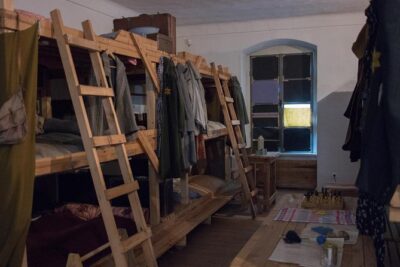 ★ 4.5Terezin Concentration Camp Day Tour Including Admission From PragueFrom $96179 reviews
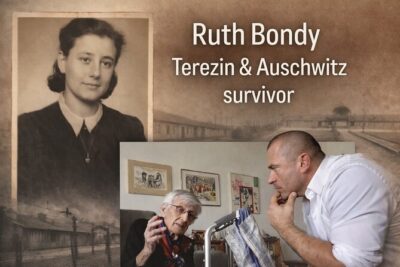 ★ 5.0Terezin In-Depth Holocaust Tour From Prague’s Center (max 7 pax)From $145170 reviews
Browse the lists this tour appears in