
REVIEW · TEREZíN MEMORIAL DAY TRIPS
From Prague: Tour of Terezin Concentration Camp
Terezin hits fast, and it stays with you. This Prague day trip uses a timed, guided route through the Large Fortress, the Jewish ghetto sites, and the Small Fortress prison so you understand what happened and how Nazis used propaganda.
I like that the day is structured around real places, not just talking. Two standouts for me are the visit to the Jewish Ghetto Museum and the tour through the Small Fortress cells and execution areas, guided with care for the victims and the human scale of the horror.
The main drawback is time pressure. You only get about 3 hours on site for everything, so the Jewish museum part can feel a bit short if you want to slow down and read everything.
Key points worth knowing before you go
- Large Fortress museum in an old boys school setting, with the story of Nazi control and forced life in Terezin
- The Czech film History of Terezin with English subtitles, used to explain the propaganda angle
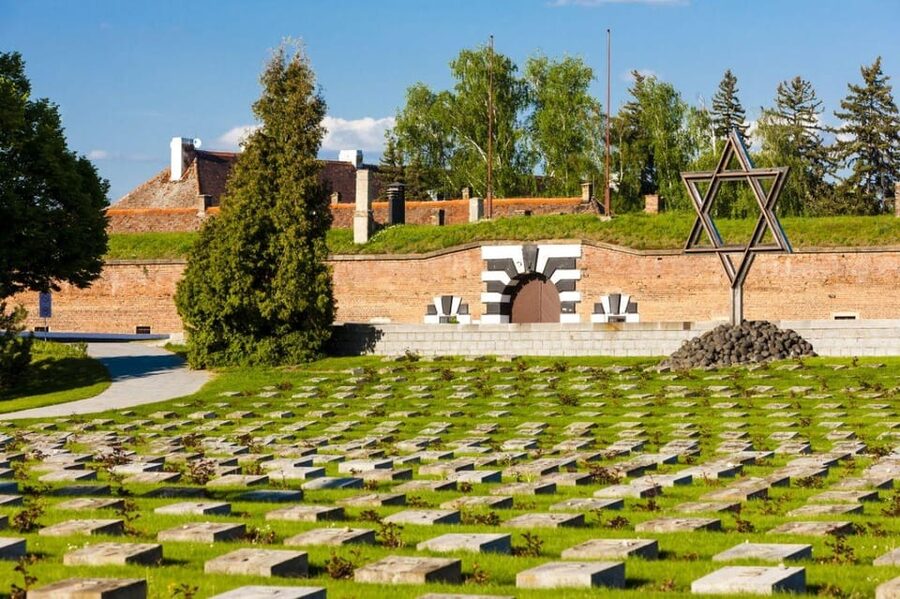
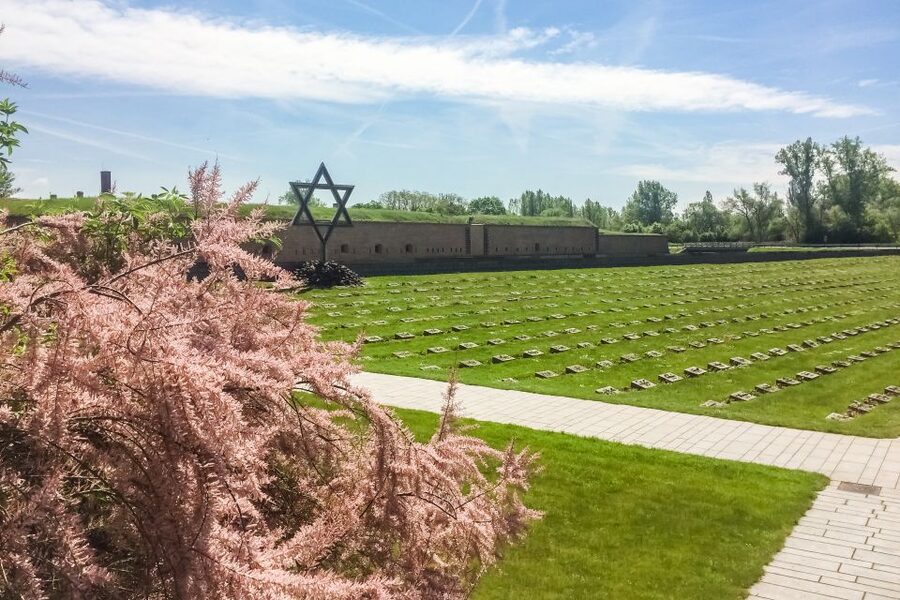
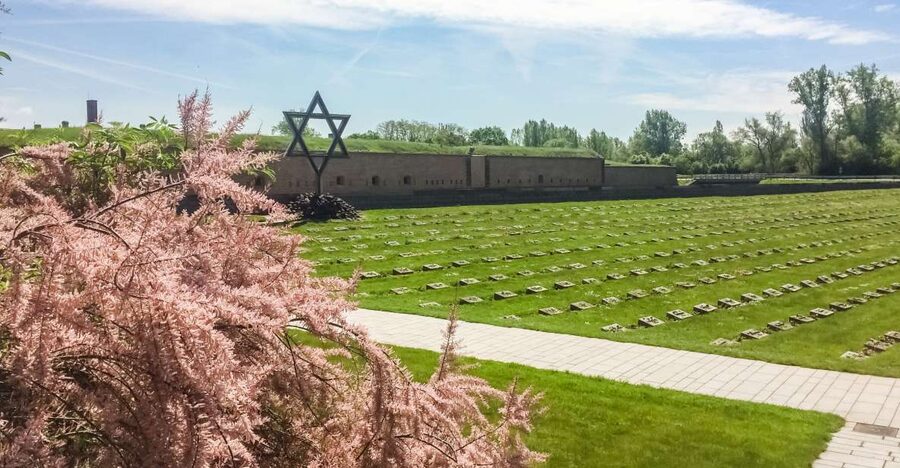
- National Jewish Cemetery and crematorium area for a final, sobering stop
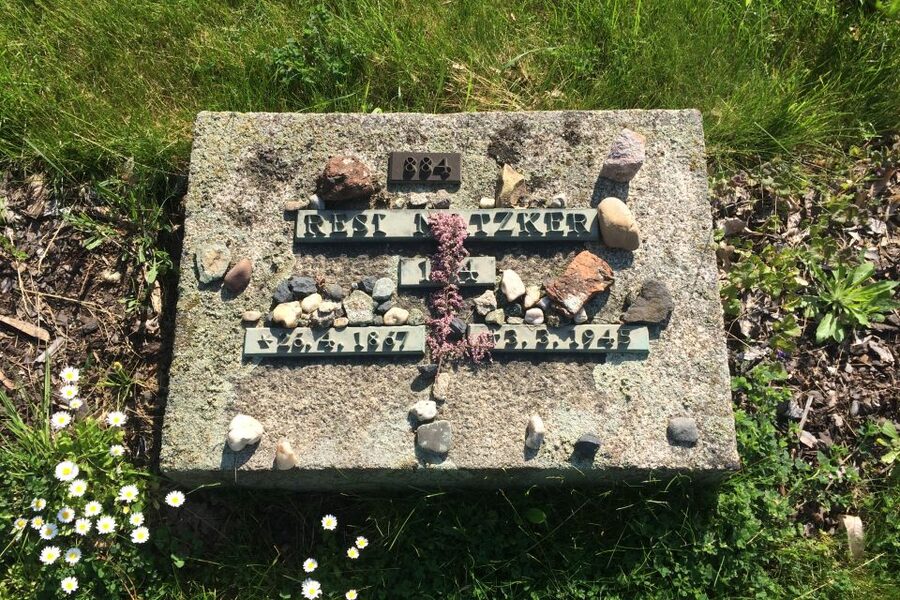
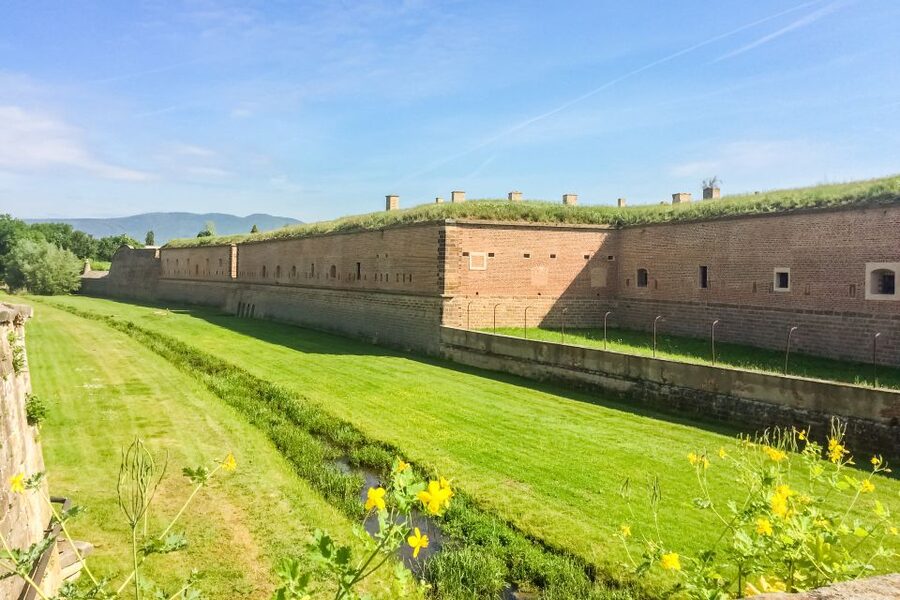
- Small Fortress as a true prison space, including the cell tied to the assassin of Archduke Franz Ferdinand and areas connected to Gestapo executions
- A short, focused day trip format, leaving you back in Prague the same day
A sober day trip that actually runs on time from Na Příkopě
If your Prague schedule is tight, this is one of the best ways to see Terezin without turning the day into chaos. You start at Na Příkopě 23, then ride out by air-conditioned bus with a guide working in the car to set the stage. The whole trip is 5 hours, with about 1 hour each way and roughly 3 hours on site.
I also like how the tour is built for clarity. You move from the Large Fortress museum and ghetto-related areas to the Small Fortress prison, so the story has a shape. You are not bouncing randomly around or trying to match signs with dates in your head.
This is heavy subject matter. The guides are explicitly trained to handle it sensitively. In the best moments, the tour uses concrete details, then steps back so you can sit with what the space means. And even when the content is grim, the delivery tends to stay respectful, not performative.
One practical note: the day does not include food or drinks. That is not a flaw, it is just a heads-up. Bring water with you, and plan a light snack strategy before or after the tour so you are not hungry while absorbing the hardest parts.
The 5-hour format: how the timing shapes what you see
The itinerary is simple on paper: bus out, guided tour at Terezin, bus back. In reality, the schedule affects how you experience the places.
You get a single guided block on site, listed as 3 hours. That time has to cover the Large Fortress museum experience, the Jewish ghetto museum elements, time at the National Jewish Cemetery, and then the Small Fortress prison route, plus a film screening. With that structure, you may feel it is packed. If you like to read every exhibit label slowly, you might leave wanting more time at the Jewish museum.
That said, the tight timing can also be a benefit. It forces focus. The tour highlights the key themes you need first: how Jews from across Europe were held there, how Nazi officials staged images of normal life for outsiders, and how terror played out in the prison system.
Also, you are not stranded in the countryside for the whole day. You return to Na Příkopě 23, so you can keep your Prague evening plans. Many people do exactly that, taking a breather in the city after a tour that leaves emotions raw.
You can also read our reviews of more tours and experiences in Czechia.

Large Fortress and the Jewish Ghetto Museum: the camp story starts in plain sight
The day begins at the Large Fortress, where the museum sits in a building that once served as an all-boys school. I like this detail because it makes the history feel unsettlingly close. It is not just “a camp ruins tour.” You walk through spaces that were repurposed, controlled, and converted into tools of the regime.
From there, you explore the area connected to Terezin as a holding camp for Jews from different parts of Europe. The guide frames how the camp functioned day to day, but also how the Nazis tried to control the outside narrative.
A strong part of the experience is the focus on the Jewish Ghetto Museum. This is where the tour goes beyond logistics and into what life meant inside the ghetto system, including the crushing parts that split families and aimed at breaking people down.
I would expect the museum stop to feel emotionally intense. The Small Fortress later turns up the pressure in a different way, but the museum is where you understand the broader system. If you care about context before you face the prison spaces, this order works well.
One more detail that matters: the tour includes a propaganda component. You visit sites tied to how Nazi authorities exploited the camp during a Red Cross visit in 1944. It is not presented like a twist in a mystery novel. It is explained as a real policy, and it changes how you read the spaces.
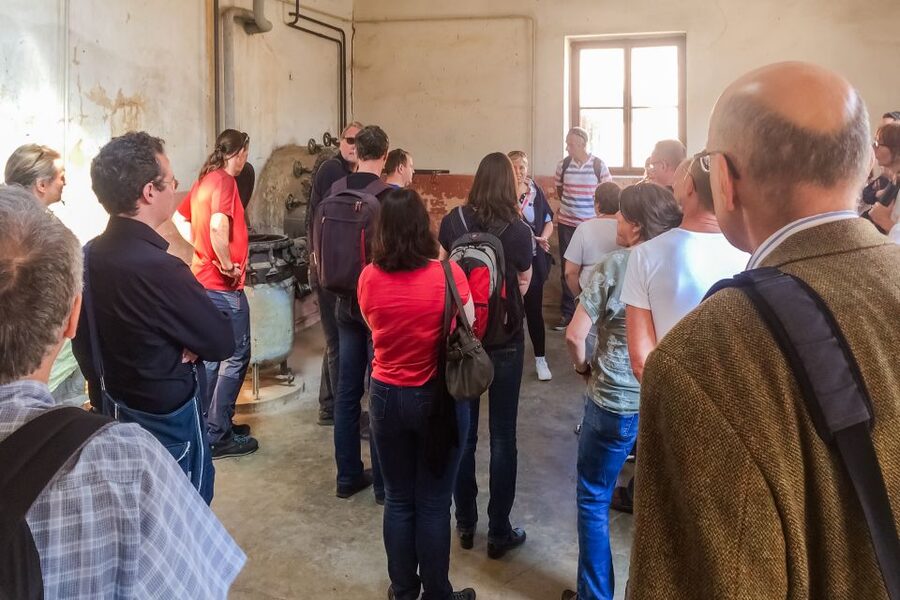
Red Cross propaganda and the film History of Terezin (Czech with English subtitles)
After the ghetto museum, you watch a film titled History of Terezin in Czech with English subtitles. This stop is often what makes the story “click” for people who come in with partial knowledge.
The core value here is framing. Nazis did not only imprison people. They tried to manage how imprisonment looked. By setting this film in the middle of the tour, you are primed to understand what you are seeing, including what was shown to outsiders and what the camp hid.
When the film is paired with the museum stops, it helps you connect themes:
- staged appearances and controlled messaging
- forced reality behind the “official story”
- the chilling role of bureaucracy and public spectacle
In a tour like this, you cannot afford to get lost in dates. The film gives you a narrative thread, so your brain has a pathway through the heavier rooms.
If you are someone who dislikes audiovisual content, you still need to know this is part of the educational structure. It is not extra fluff. It is one of the tour’s main tools for explaining how propaganda worked in practice at Terezin.
National Jewish Cemetery and the crematorium area: slow down even if time doesn’t
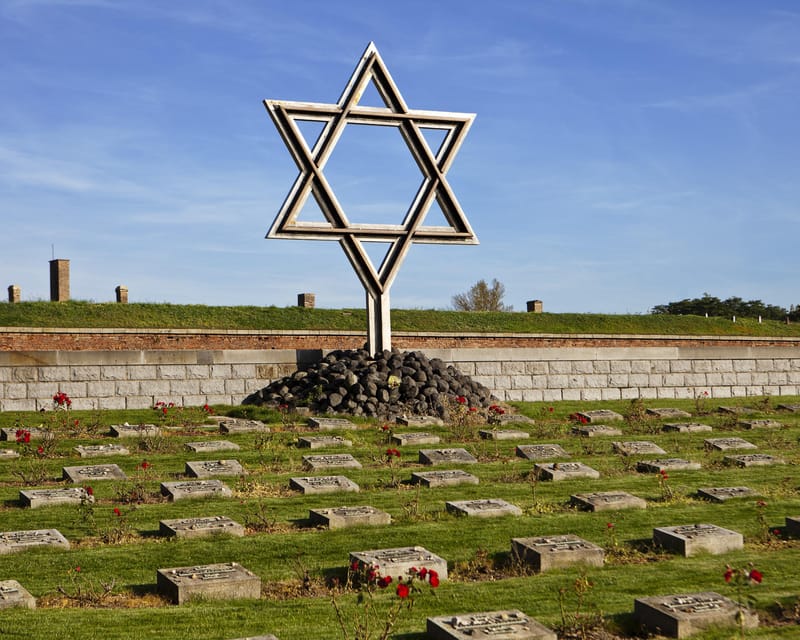
Next comes the cemetery stop: National Jewish Cemetery, and the route includes the crematorium area. This part shifts the tone sharply. You are no longer in the “explain the system” zone. You are in the remembrance zone.
I like that the tour does not rush past this. Even when the schedule is tight, the cemetery area is treated as a separate emotional checkpoint. That matters because it keeps the day from becoming only an information sprint.
There is one important consideration: the crematorium is closed on Saturdays. If your visit lands on a Saturday, you should expect the plan to adjust around that closure. In practical terms, it is still worth going because the rest of the tour remains meaningful, but it may affect how much you can see at that specific stop.
If you want to make the most of this segment, do a small mental reset before you arrive. Put your phone away for a few minutes. Let yourself absorb the quiet, because the place is designed to do the talking.
Crossing to the Small Fortress: prison cells, Gestapo power, and the cell tied to Franz Ferdinand
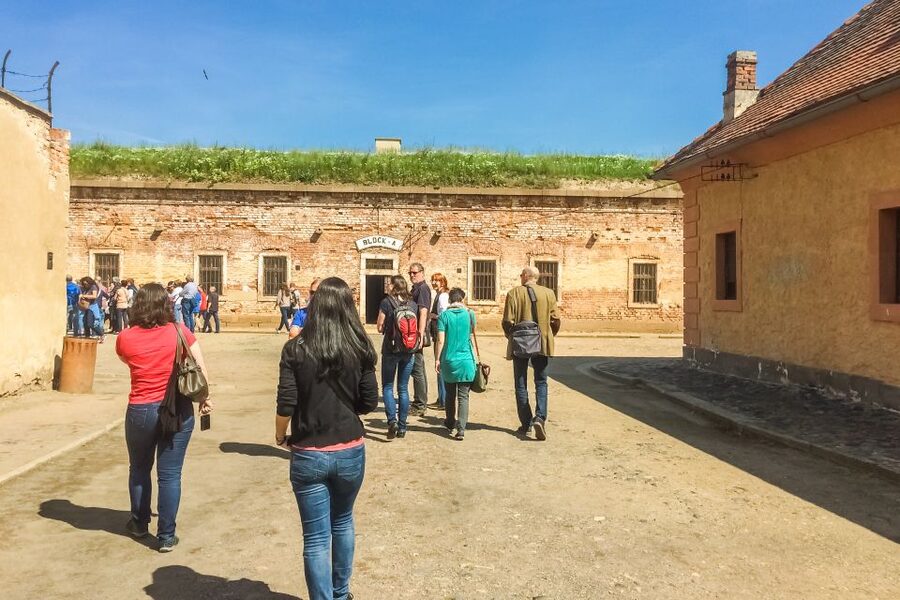
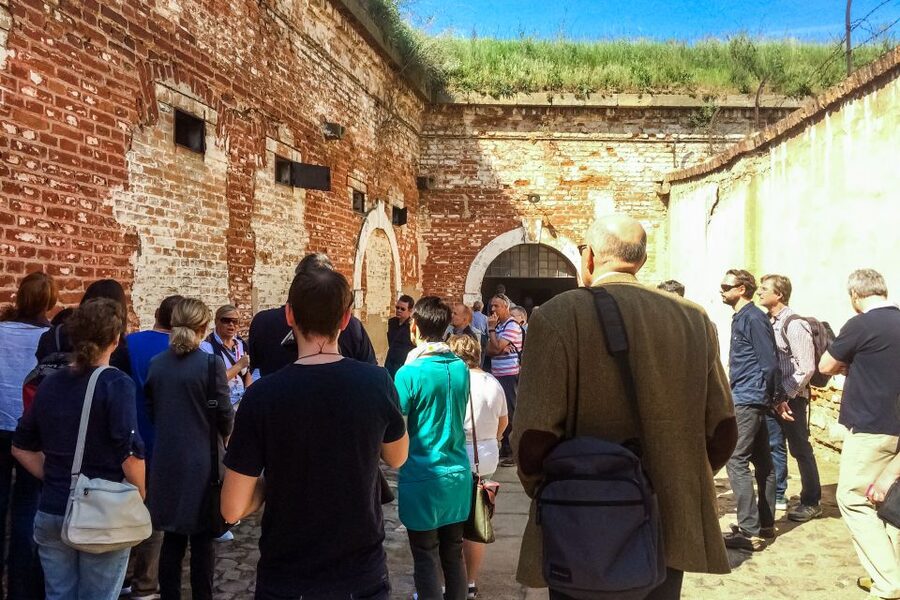
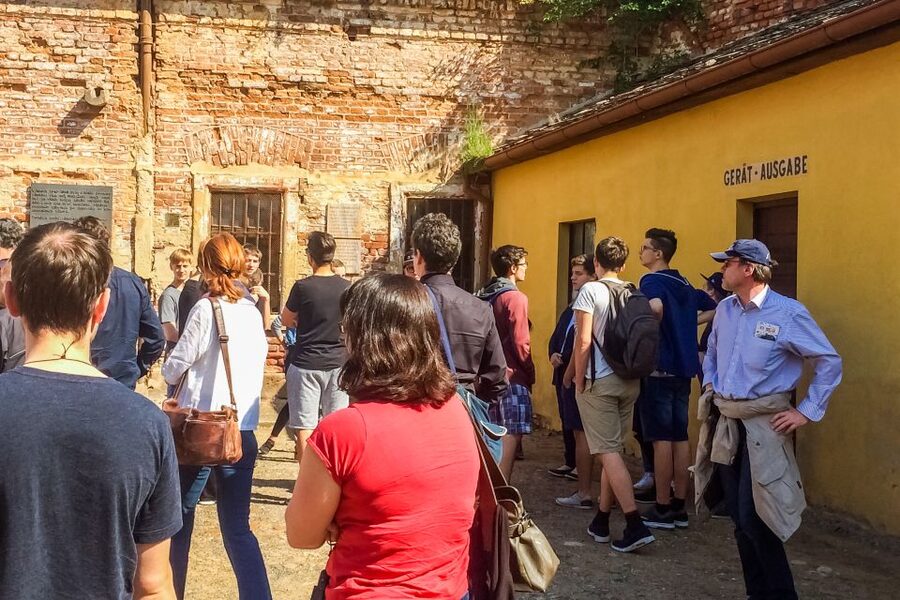
Then you cross the river and head to the Small Fortress, which is the prison space and one of the most intense parts of the day. The tour explicitly frames it as the horrifying conditions for prisoners held there, including areas linked to Gestapo organized violence.
Two elements matter here.
First, you get guided access to prison spaces, including a cell tied to the assassin of Archduke Franz Ferdinand. The guide uses that connection to anchor broader European history in the specific geography of Terezin. It is a reminder that the continent’s political shockwaves landed in real rooms with real prisoners.
Second, you are shown how the prison system functioned, including the firing squads organized by the Gestapo. This is where the tour stops being about a holding camp in general terms and becomes about enforcement, fear, and death.
From a travel perspective, this stop requires stamina and emotional steadiness. You are not just looking at “exhibit walls.” You are inside the kind of architecture designed for confinement.
The best guides keep the pace controlled. In some group experiences, the prison tour portion is where the guide quality really shows. When it is done well, it feels deeply respectful, with enough time at the right moments so you do not feel like you are speed-walking through tragedy.
Guides, languages, and how to pick the right day
This tour is run by a live guide, with languages listed as Italian, German, English, and Spanish. It can also be bilingual, which usually means you might get simultaneous coverage or organized splitting by language.
In real-world terms, this is one reason the day works for many visitors. The content is heavy, and translation quality matters. I have heard that some guides are fluent in switching between languages smoothly, and that can help you follow details without missing the emotional turns.
You might hear names like Sofia, Stefan, Jacob, Romika, or Remy mentioned when people talk about their guide experiences. I cannot guarantee you will get any specific person, but those names show up because the guides delivering this tour are often praised for staying organized, human, and careful with the topic.
One practical idea: if you are sensitive to audio clarity, sit closer to the front of the group during the film and the fortress narration. It is a small move that can make a big difference in comprehension.
Also, if you are visiting on a day when you expect the crematorium to be closed, treat that as a scheduling quirk, not a reason to skip. The rest of the experience is still the core.
Price and value: what you get for about $66
At $66 per person, the headline price looks straightforward, but the value comes from what is bundled.
Included features cover:
- entry to the Large Fortress
- entry to the museum inside the Large Fortress
- entry to the Small Fortress prison
- the guided tour with a live guide
- and a ticket to the Kingdom of Railways in Prague, usable anytime after the tour
That last item is genuinely useful if you want a reset in your Prague day. After Terezin, the normal city sounds can feel loud. Having a ticket for a more lighthearted, walk-around type attraction gives you an easy place to go without thinking too hard.
Not included: food and drinks. That is normal for a day trip, but it changes the real cost slightly. You should budget for at least a bottle of water and a snack plan so you are not scrambling in the middle of the experience.
Overall, I think the price is fair because you are paying for trained interpretation inside both fortress sites, plus the logistics of coach transport from Prague. For most visitors, self-guiding those places without timed coordination is harder than it looks on a map.
What could feel awkward: audio issues, time limits, and bus comfort
Even in a strong tour, there are a few friction points you should plan around.
The biggest one is time. With only 3 hours on site covering museum, cemetery/crematorium area, film, and the Small Fortress prison, you might feel you are moving quickly through parts of the museum. Some people want more time in the Jewish Ghetto Museum, especially if they like reading exhibit descriptions closely.
The second one is audio and pacing. On some tours, the prison portion guide quality has been praised highly, while on at least one experience audio was reported as harder to understand. That is not something you can fully control, but you can improve your odds by choosing a seat where you can hear clearly and by paying attention when the guide switches languages.
A third issue shows up occasionally with the bus ride. One person noted an unpleasant smell on the bus. Most reports describe a comfortable ride, but if you are sensitive to smells, consider sitting toward the front and bringing a small personal comfort item.
None of this ruins the tour. It just helps you decide whether you want the “structured highlights version” or a longer, slower “read-everything” day. This one is the structured version.
Should you book this Terezin tour from Prague?
I think you should book if you want a guided day that gives you the main story in the right order: Large Fortress museum and ghetto context, then the propaganda framing, then the cemetery area, then the Small Fortress prison. It is paced for a same-day visit, and the guide-led interpretation is a big part of why it works.
You might think twice if:
- you need extra time for museum reading and would rather spend a longer day on site
- you get overwhelmed by rapid transitions between emotional spaces
- you are visiting on a Saturday and you specifically care about the crematorium portion being open
If you do book, come prepared for a heavy experience. Bring water, wear comfortable walking shoes, and give yourself permission to feel uncomfortable. This tour is not designed to be pleasant. It is designed to be clear.
For many first-time visitors to Prague, it is also one of those rare day trips that turns history from abstract into physical. And when you return to Prague, take advantage of that Kingdom of Railways ticket. It is a nice way to come back to the living world after a place that exists to remind us what humans can do to other humans.
FAQ
How long is the Terezin concentration camp tour from Prague?
The tour lasts about 5 hours.
Where does the tour depart from in Prague?
The meeting point is Na Příkopě 23.
Is food included on the tour?
No. Food and drinks are not included.
What sites are visited during the day?
You visit the Large Fortress (including the museum), the Jewish Ghetto Museum, the National Jewish Cemetery, and the Small Fortress prison area.
Is the film included, and what language is it in?
Yes. You watch the film History of Terezin in Czech with English subtitles.
What languages are the live guides?
Live guides are available in Italian, German, English, and Spanish. The tour can be bilingual.
Is the crematorium open on Saturdays?
No. The crematorium is closed on Saturdays.
What is included with the ticket besides the tour?
Entry is included for the Large Fortress and Small Fortress, plus the museum entry and guided tour. You also get a ticket to the Kingdom of Railways in Prague that can be used any time after the tour.
More Tour Reviews in Czechia

Not for you? Here's more nearby things to do in Czechia we have reviewed
Terezín Memorial Day Trips, compared.
 ★ 4.5From Prague: Terezin Concentration Camp Guided Tour w/ AudioFrom $671,959 reviews
 ★ 4.0Terezin Concentration Camp Day Tour from PragueFrom $781,007 reviews
 ★ 3.7From Prague: Terezin Concentration Camp TourFrom $53573 reviews
 ★ 4.3From Prague: Terezín and Ghetto Museum Guided TourFrom $86571 reviews
 ★ 5.0Terezin & Bohemian Switzerland from Prague: Bastei, Narnia & CaféFrom $145445 reviews
 ★ 4.5Terezin Concentration Camp Day Tour Including Admission From PragueFrom $96179 reviews
 ★ 5.0Terezin In-Depth Holocaust Tour From Prague’s Center (max 7 pax)From $145170 reviews
 ★ 4.4From Prague: All-inclusive Bus Tour to Terezin MemorialFrom $55165 reviews
Browse the lists this tour appears in