
REVIEW · JEWISH QUARTER TOURS
Prague: Jewish Quarter and Museum Guided Tour
Prague’s Jewish Quarter tells its story fast. I like how this museum-certified guide approach turns the streets into lessons, not just sightseeing, with guides such as Max and Eva earning praise for clarity and friendly energy. I also love that you get to see the Old-New Synagogue, still active and still impressive, plus major synagogue interiors and exhibits without trying to sort it all out yourself. One consideration: the €25 entrance fee is not included, and some sites on the route are not wheelchair accessible (the Jewish Town Hall, High Synagogue, and Klausen Synagogue).
This is a 3-hour, private-group walking tour through a compact area of cobblestone streets, with time inside major stops like the Spanish Synagogue and the cemetery. You’ll hear how Jewish life and traditions shaped Prague over centuries, including the things that endured, and the things that were lost. If you’re tight on time or want the most important sites in one go, it’s a strong option, as long as you’re ready for some indoor rules and a bit of walking between buildings.
Key things to know before you go
- Museum-certified guide for museum access and context, not just a basic overview
- Old-New Synagogue visit, including the interior of a 13th-century active prayer house
- Spanish and Maisel Synagogues stops for standout architecture and exhibit time
- Old Jewish Cemetery visit, with a quieter, more reflective pace than the synagogues
- Private group means less waiting and more attention to your questions
- Wheelchair-accessible overall, but not every synagogue on the route is accessible
Why the Prague Jewish Quarter tour makes sense in 3 hours
Prague’s Jewish Quarter is small enough to walk, but big enough to feel overwhelming if you go on your own. This tour gives you a clear path through the most meaningful sites, with just enough time at each stop to notice details you’d otherwise miss. I like that the focus stays on understanding what you’re seeing, from community life and traditions to the buildings that survived.
It also helps that the guide is certified by the Jewish Museum. That matters because these places are not just historic buildings. They are lived-in symbols of memory, faith, and community identity, and a certified guide will help you read the space correctly.
The walking pace is steady and practical for a half-day window. You should still plan on wearing comfortable shoes, because cobblestones add up, and you’ll move between several buildings.
You can also read our reviews of more guided tours in Prague

Meeting at Pařížská and settling into the Jewish Quarter vibe
Your tour starts at Pařížská 131/28. From there, you’ll head into the Jewish Quarter area on foot, and the first few minutes are about getting bearings fast, including which buildings matter most and why. You’ll likely notice how quickly the atmosphere changes once you’re surrounded by older streets and closely packed landmarks.
This kind of start is useful if you’re new to Prague or new to this part of the city. Instead of showing you random highlights, the guide frames what you’re about to learn before you step into the synagogue spaces. It’s an easy way to stay oriented, even when you’re moving through a maze of streets.
You’ll also want water. The tour is only about 3 hours, but you’ll be outside at the start and between stops, and you don’t want to rush your viewing because you’re thirsty.
Jewish Town Hall and High Synagogue: the early context that helps later
The route typically includes stops near the Jewish Town Hall and the High Synagogue before the bigger interior visits. These early checkpoints are important because they help you understand how the community organized itself and how public Jewish life connected with prayer spaces. Even if you’re not an expert on Jewish history, the guide can help you connect names, traditions, and the purpose of each building.
For accessibility planning, note that the Jewish Town Hall and High Synagogue are not wheelchair accessible. The tour is described as wheelchair accessible overall, but this is one of the practical details you should keep in mind if mobility equipment matters for you. If you rely on a wheelchair, you may find that parts of the route involve limitations at specific buildings.
If you’re traveling with older family members or anyone who needs frequent pauses, this is still a good tour. The walking segments are short, and the time inside major spaces gives you natural breaks.
Old-New Synagogue: a 13th-century interior that still feels alive
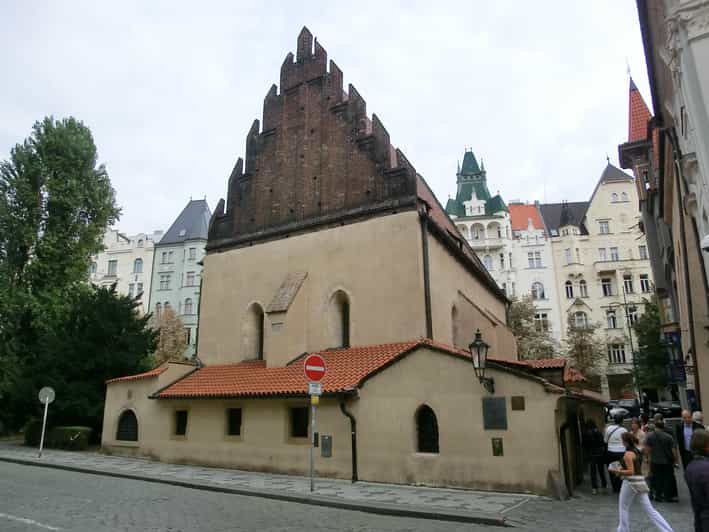
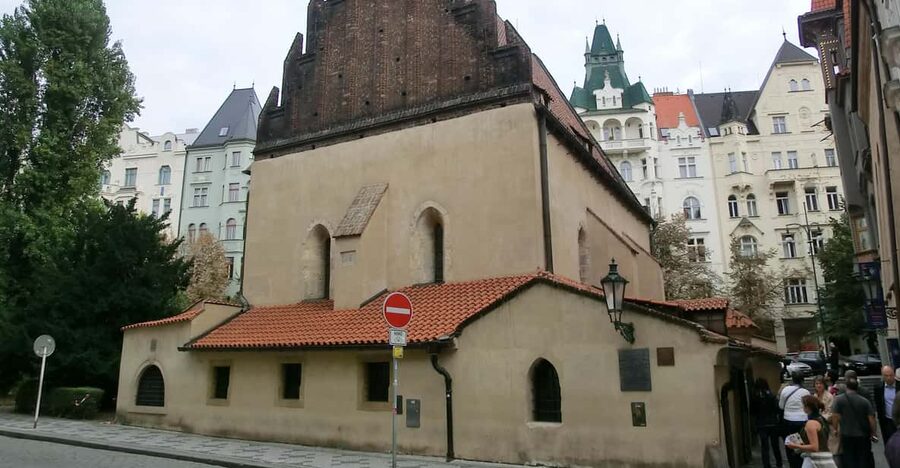
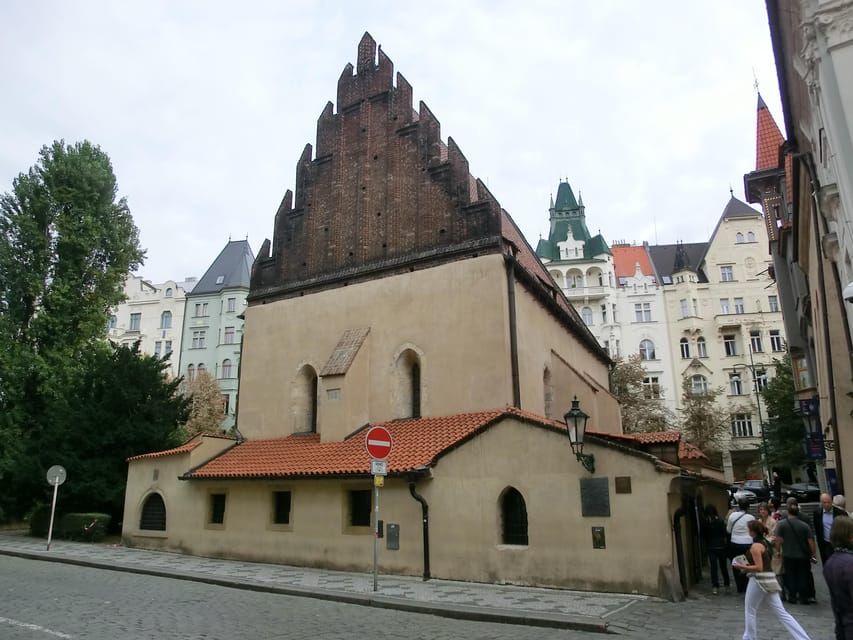
The main anchor stop is the Old-New Synagogue, known as the oldest still active house of Jewish prayer in Europe. You’ll spend time there to actually see the interior, not just stand outside for photos. This is one of those places where the architecture and the atmosphere work together, and the guide’s commentary helps you understand what you’re looking at.
Why this stop matters for your experience: it’s not only about age. It’s about continuity. When a building is still active, the purpose stays present in a way a museum-only site can’t replicate. The guide’s explanations of how the synagogue fits into centuries of community life will make the interior feel more meaningful.
Timing is also reasonable. You should expect this to be a longer viewing stop in the middle of the tour, so if you’re the type who needs quiet time to take things in, this is where you’ll likely appreciate the pause.
Maisel Synagogue and exhibit time: learning through objects, names, and displays
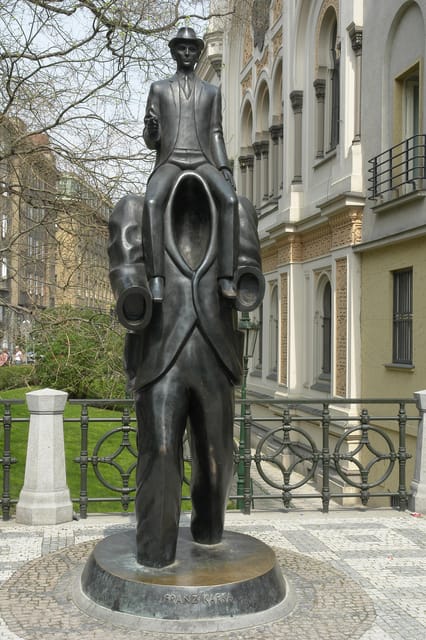
Next up is the Maisel Synagogue, followed by more synagogue spaces later in the route. Maisel is a strong stop for people who like history that is grounded in details you can see. The purpose of a museum exhibit inside a synagogue can be easy to misunderstand, so having a guide helps you interpret what the displays mean.
This is also where you start to feel how the tour balances architecture with storytelling. Synagogues are dramatic, yes, but the exhibitions are often what give you the “wait, that’s why this matters” moment.
You’ll also see the Pinkas Synagogue and its exhibits along the way. Pinkas is particularly compelling if you appreciate how memorialization works in Jewish tradition. Even if you’re not familiar with the material, the guide can help you make sense of what you’re reading and why it’s arranged the way it is.
If you want a tour that explains the symbols and the human stories, this portion is one of the best reasons to book.
You can also read our reviews of more museum experiences in Prague






Old Jewish Cemetery: where the walking slows down
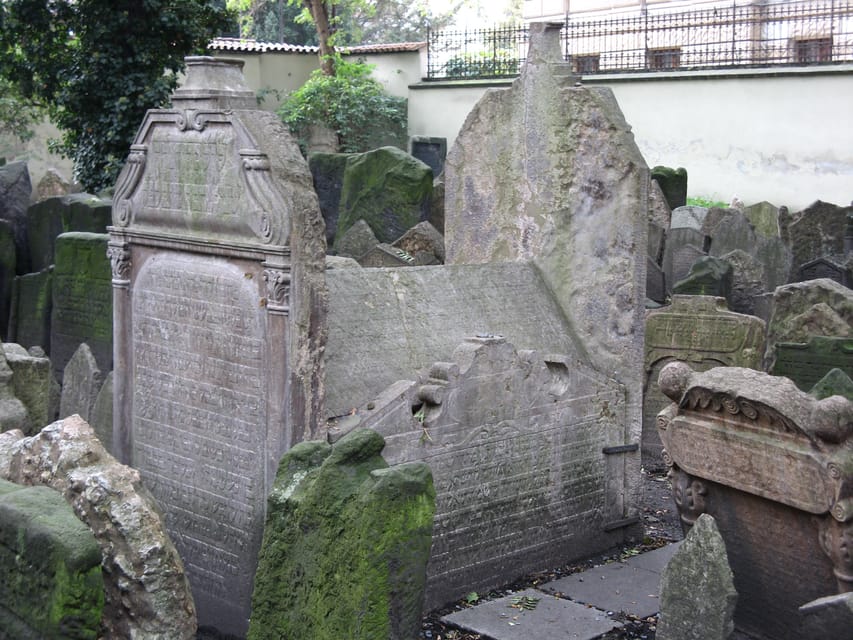
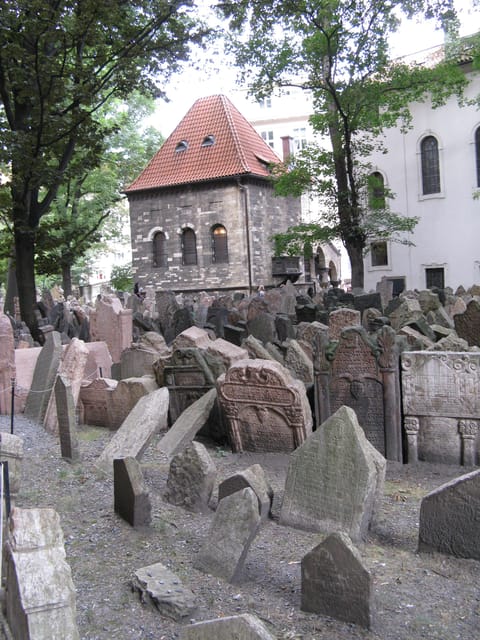
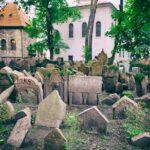
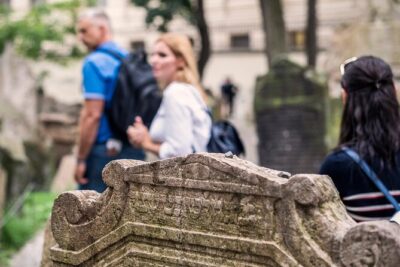
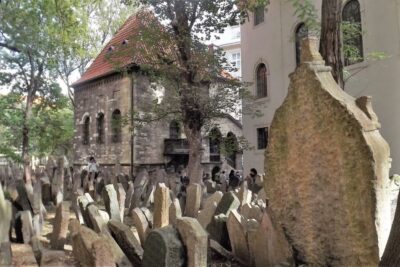
The Old Jewish Cemetery is a different kind of stop. It’s less about interiors and more about memory you can see in stone. You’ll get a set amount of time to walk and take in the graves, and this is where the tour’s pace tends to feel more reflective.
Why this is valuable: cemeteries communicate history differently than buildings. In a synagogue, you might focus on ritual and design. In a cemetery, you’re reminded that communities were made of real people with names, lifespans, and roles.
This is also a good place to ask questions, if your guide offers that. If you’re someone who likes context around the people commemorated, you’ll likely find the guide’s explanations especially useful here.
Plan for a bit of slower movement inside the cemetery grounds. Even if the tour is timed, you’ll want a calm moment to look closely rather than racing through.
Klausen Synagogue and the Jewish Ceremonial Hall: the route’s quieter power
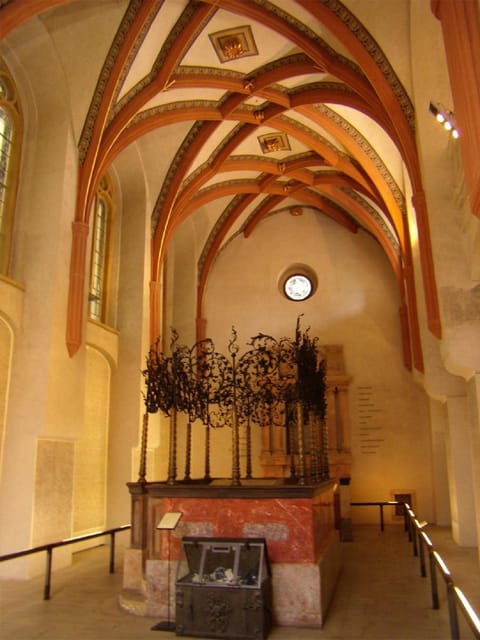
After the cemetery, the tour continues with more key buildings, including the Klausen Synagogue and the Jewish Ceremonial Hall. These stops keep the story moving, filling in the bigger picture of how Jewish cultural and ceremonial life expressed itself through dedicated spaces.
Klausen is another building to plan for if accessibility matters, because it is not wheelchair accessible. Since the tour is wheelchair accessible overall, it’s still worth booking if you can manage some limitations, but you should go in with realistic expectations.
The Jewish Ceremonial Hall helps round out the understanding you’re building across the tour. It’s a reminder that synagogue architecture and museum exhibits are not just about one period or one theme. They connect different forms of community life, including rituals and tradition.
If you’re the type who loves a tour where every stop has a job, this middle-to-late stretch is where it starts to feel cohesive.
Spanish Synagogue at the end: the finish that feels like a statement
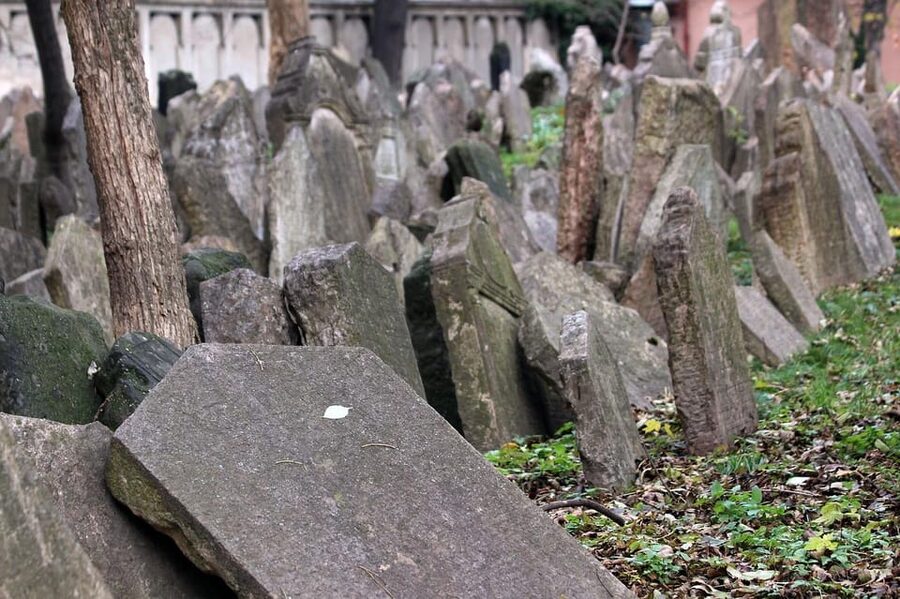
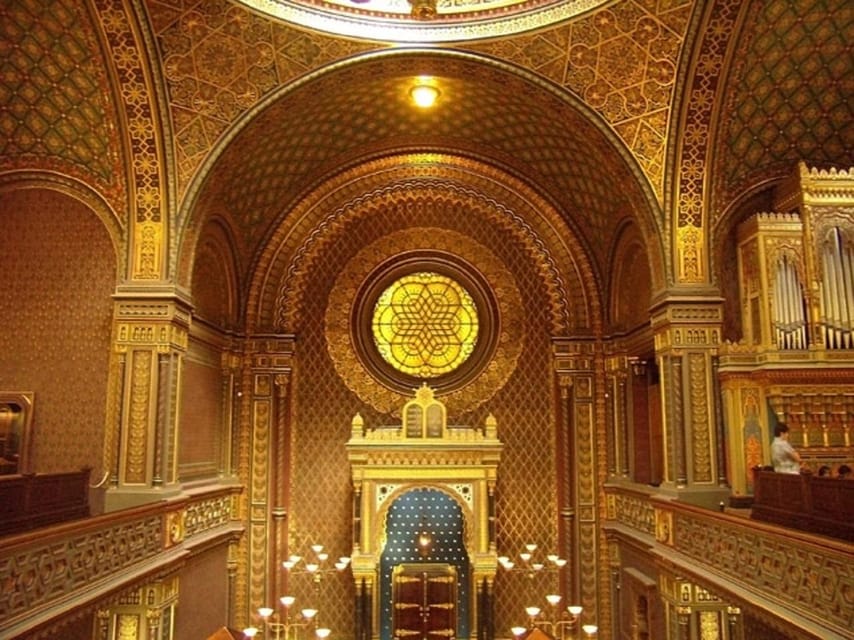
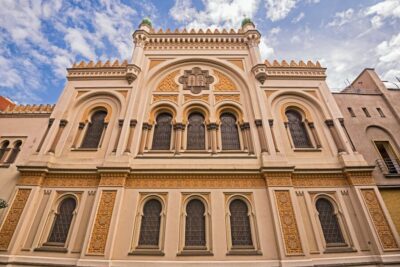
You end the tour at the Spanish Synagogue, with a good final block of time to see it and take it in. The Spanish Synagogue is known for its striking interior style, and it’s the kind of place where the guide’s pointers make your visit more than a quick photo stop.
Finishing here works because it’s visually memorable. When you leave a place like this after seeing the cemetery and multiple synagogues, the contrast makes more sense. The route gives you context first, then delivers a dramatic architectural finale.
Also, because you’re finishing at Spanish Synagogue, you can plan your next meal or walk right after, without needing to figure out transportation from the middle of the Jewish Quarter.
For many people, this is the moment the tour “clicks,” because you finally see the full range of what these spaces represent: memory, identity, faith, and art.
Price and value: what $84 buys, plus the €25 entrance fee
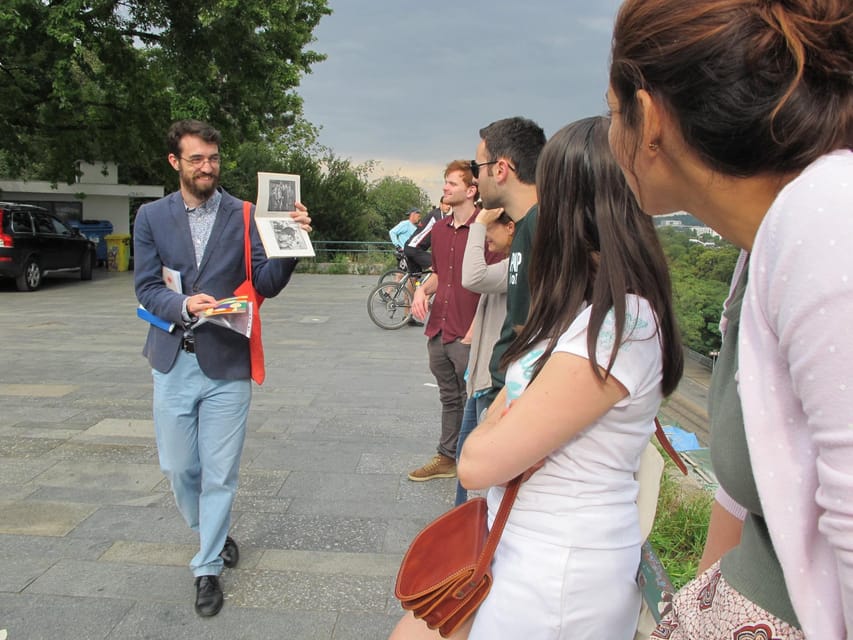
At $84 per person for a 3-hour private guided tour, this sits in the midrange for Prague museum-style tours. The value is in the combination: a private, museum-certified guide plus access time at major synagogue sites and exhibits.
One thing to plan for is the €25 entrance fee, which is not included. That changes your total budget, so I suggest thinking of the tour as two parts: your guide time and the site entry fees. If you would otherwise pay separate tickets and try to interpret everything alone, having a certified guide can make the overall cost feel more justified.
The private-group setup is another value driver. Even with a small group, you get more attention than you’d in a large bus-style tour. And with synagogue interiors and exhibits, that extra interpretive help can be the difference between surface viewing and real understanding.
If you’re visiting Prague for a short stay and you want the Jewish Quarter’s key stops in one go, the timing and structure make the price feel fair.
Practical tips so you enjoy every stop
A few things will make a noticeable difference:
- Bring comfortable shoes because cobblestones and walking segments add up over three hours.
- Pack water, especially if you’re visiting during warm weather.
- Dress for conditions. You’ll spend time outside between buildings, and you’ll be in indoor spaces where temperature can vary.
- If you use mobility aids, remember that the tour is wheelchair accessible overall, but the Jewish Town Hall, High Synagogue, and Klausen Synagogue are not accessible.
- Service animals are allowed, so if you rely on one, you should be set.
Also consider who this tour suits best. It is not suitable for children under 6, which is worth noting if you’re traveling as a family. If you have kids older than that, the guide’s explanations and the museum exhibit stops can work well, but the walking still matters.
Finally, if your schedule might shift, there is free cancellation up to 24 hours in advance and a reserve-now option that lets you pay later. That flexibility can be a quiet stress reducer.
Should you book the Jewish Quarter and Museum Guided Tour?
Yes, if you want the best version of the Jewish Quarter with real context. This tour is especially worth booking when you care about seeing multiple sites in a short window and you appreciate guides who explain clearly and connect details.
I’d book it if:
- You want the Old-New Synagogue interior experience with expert framing
- You like museum-style exhibits inside synagogues, not just exterior photos
- You prefer a private group and a guide you can ask questions of
- You’re comfortable with walking and with the fact that a few buildings are not wheelchair accessible
I’d think twice if:
- You strongly dislike tours that include timed entry and a structured flow between stops
- Your budget cannot handle the additional €25 entrance fee
- You need full wheelchair access to every listed building, because some stops are not accessible
If you’re deciding between a self-guided route and a guided one, this is one of those Prague experiences where a certified guide makes the difference. You’ll leave with a clearer understanding of the places, not just a list of where you took photos.
More Guided Tours in Prague

More Tours in Prague

More Tour Reviews in Prague



Not for you? Here's more nearby things to do in Prague we have reviewed









Jewish Quarter Tours, compared.
 ★ 4.7Jewish Quarter Walking Tour with Admission TicketsFrom $763,729 reviews
 ★ 4.8Old Town and Jewish Quarter Guided Tour in GermanFrom $293,143 reviews
 ★ 4.6Old Town and Jewish Quarter Guided Walking TourFrom $222,847 reviews
 ★ 4.4Jewish Quarter Ticket with optional Audio GuideFrom $551,107 reviews
 ★ 4.7Classical Concert in the Spanish SynagogueFrom $501,104 reviews
 ★ 5.0Prague’s TOP Sights – Old Town, Jewish Quarter, Charles Bridge (Tip-based tour)From $3843 reviews
 ★ 5.0Prague Old Town New Town and Jewish Quarter Morning TourFrom $32757 reviews
Browse the lists this tour appears in