
REVIEW · PRAGUE WALKING TOURS
Prague: Immersive History Walking Tour and VR
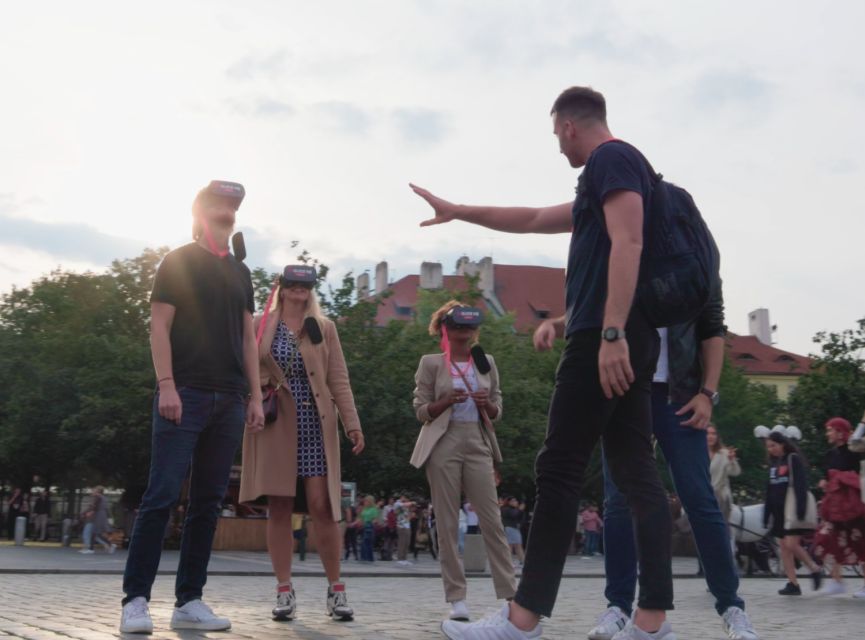
Prague history gets a tech upgrade with VR on the street. I like the way the tour pairs an expert local guide with six VR scenes at real Prague locations, so the past feels tied to what you’re actually seeing. One watch-out: you’ll be wearing VR glasses for parts of the walk, so if you hate looking a bit silly or prefer totally hands-free sightseeing, plan for that.
I also appreciate that it’s short and focused, not one of those half-day marathons. If you’re expecting lots of physical action in the VR, the visuals are the star, and one review wish was for more movement in the scenes.
Key highlights at a glance
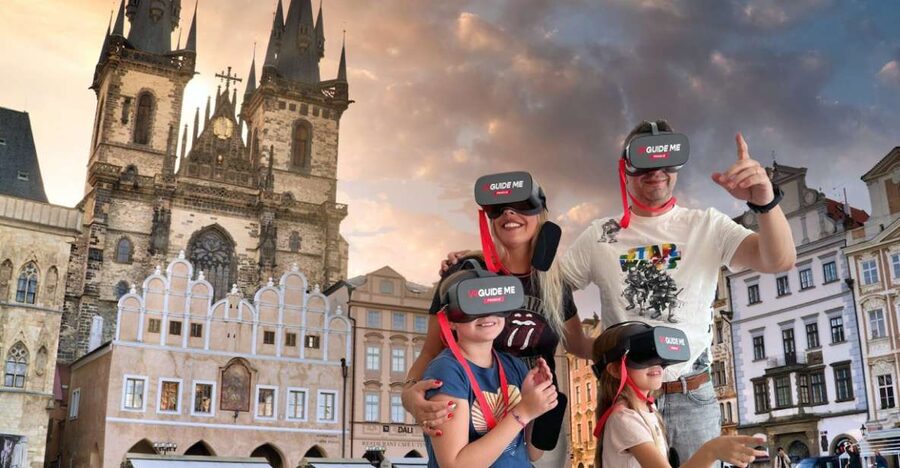
- Six VR moments, matched to six locations so you can compare then and now
- Old Town Square to Dancing House covers the classic center plus a modern landmark
- A guide who brings the story to your feet, with clear pacing and strong explanations
- Prague Spring and Operation Anthropoid shown in VR for emotional, timeline-based context
- Sounds are a big part of it, not just pictures
- Glasses are fine, and the tour is suitable for all ages
Why this Prague walk works (Old Town plus VR, not just photos)
Prague has a way of pulling you into the postcard look fast. This tour uses that momentum, then swaps the usual “look and read” routine for something more personal. You walk a tight loop through key areas, and at set points you put on the VR headset to see what that same space looked like during different chapters of Czech history.
What makes this format smart is the built-in comparison. When you take off the glasses, the present snaps back into focus: streets, façades, and squares that you thought you understood become props in a much longer story. It is not meant to replace museums. It’s meant to give you a memory hook while you’re still outside in the city.
Price-wise, $33 for a 2-hour guided walk with a professional guide and a VR headset feels fair. You’re paying for time with a real person plus the extra tech that most history tours do not include. If you’re doing only one history-focused activity in central Prague, this is one of the better “value per hour” choices.
You can also read our reviews of more walking tours in Prague


Getting started: the meeting point near Hamleys
You meet your guide at Panská 1, at the Prague Tour Info point next to Hamleys. This is a practical setup because you’re anchored in the central core right from the start. You also avoid the hassle of guessing a “random corner” meeting spot, which matters when you’re juggling a headset for later.
The tour runs in English with all guides speaking English. You can also use optional audio in several languages, including German, Czech, French, Spanish, Italian, and Russian. That matters if you’re traveling as a group with mixed language comfort, or if you want a backup track while the guide talks.
Old Town Square VR: Prague before your eyes
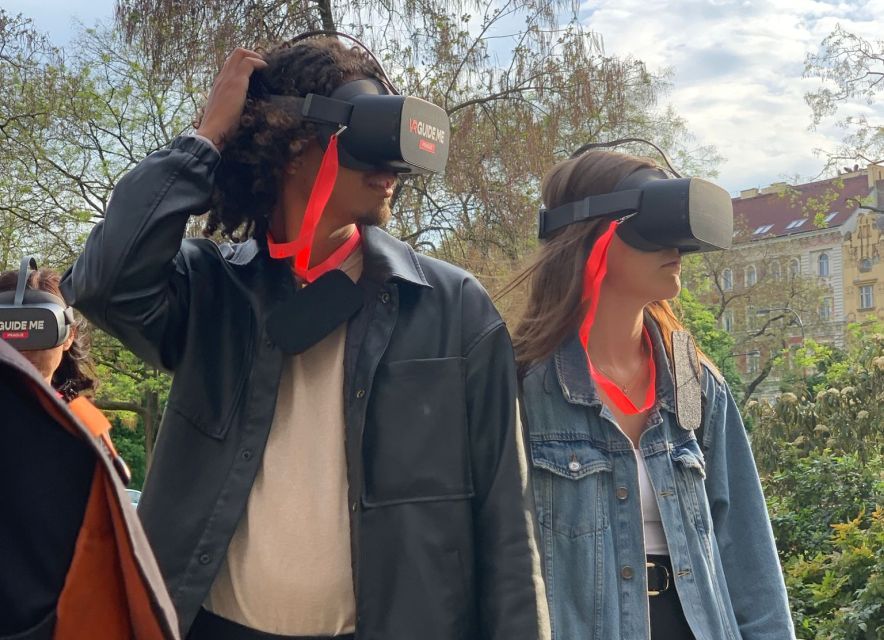
Your first major stop is Old Town Square. This is the kind of place where people usually take photos and move on. Here, you pause, and VR turns the square into a time machine.
In the VR scene, you get a snapshot of what the area looked like about 120 years ago. Then you look around again at the same square in real life. That back-and-forth is the point. You stop treating the buildings like background and start seeing them as witnesses.
One small consideration: the VR experience is the active moment, so the best mindset is to stay present. Don’t multitask on your phone. Let the guide time the transitions, especially when it’s your turn at the headset.
Wenceslas Square: seeing the city’s scale and pressure
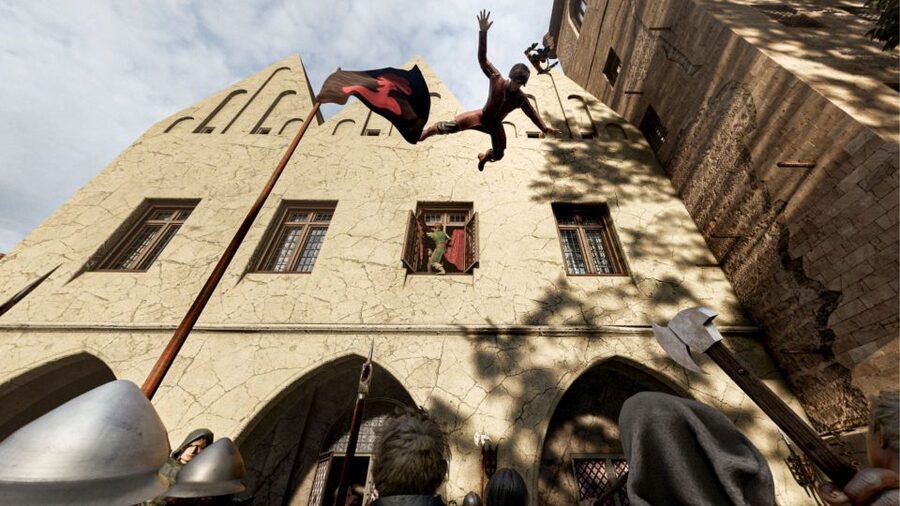
From Old Town, you move toward Wenceslas Square. This is where Prague’s energy feels more like a long corridor than a compact historic pocket. It is a good match for a guided walking format because the space helps you understand how different parts of the city connect.
The tour uses VR not just for a distant “then,” but for moments that explain why events led to major turning points. You’re not doing a museum lecture. You’re connecting the kind of place Wenceslas Square is to the kind of history the guide is framing.
If you like your history linear, you’ll probably enjoy the pacing. If you prefer every stop to feel equally “wow,” note that your strongest wow moments come when VR kicks in.
National Museum area: when stories explain the buildings
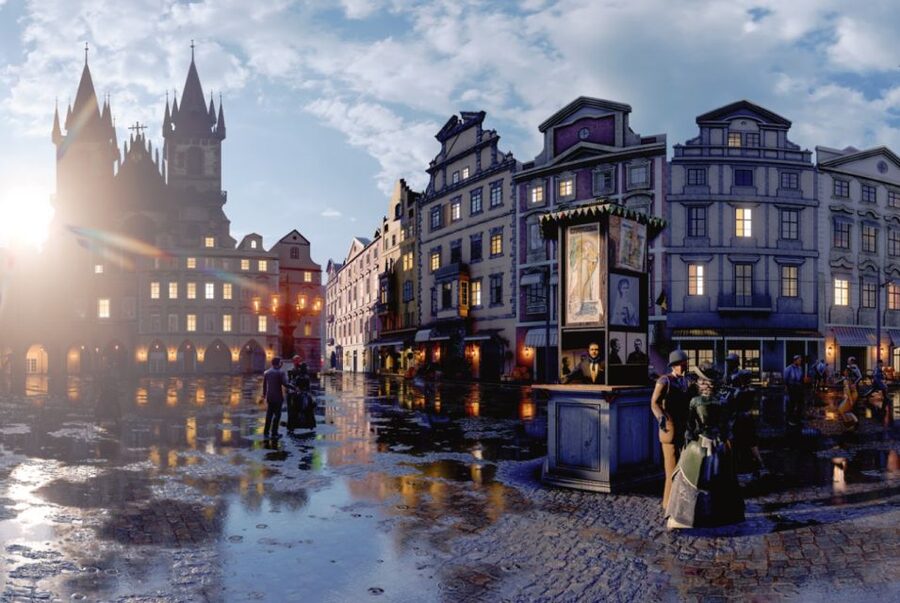
Next you head toward the Prague National Museum area. Even if you already know the building from pictures, the tour approach changes how you see it. The guide ties the city’s physical landmarks to the historical moments being portrayed in VR.
This is also one of the places where you’ll feel why an expert guide helps. VR provides the visuals. The guide gives you the thread: what you’re looking at, why it matters, and how it connects to what you’ll see next.
A practical tip I’d follow: wear comfortable shoes and keep your camera ready for after the headset comes off. The tour is designed around pauses for VR, so you’ll get cleaner photos in the real-life moments right after each scene.
You can also read our reviews of more historical tours in Prague




Old and New Town bounce: New Town Hall and the city’s in-between feeling
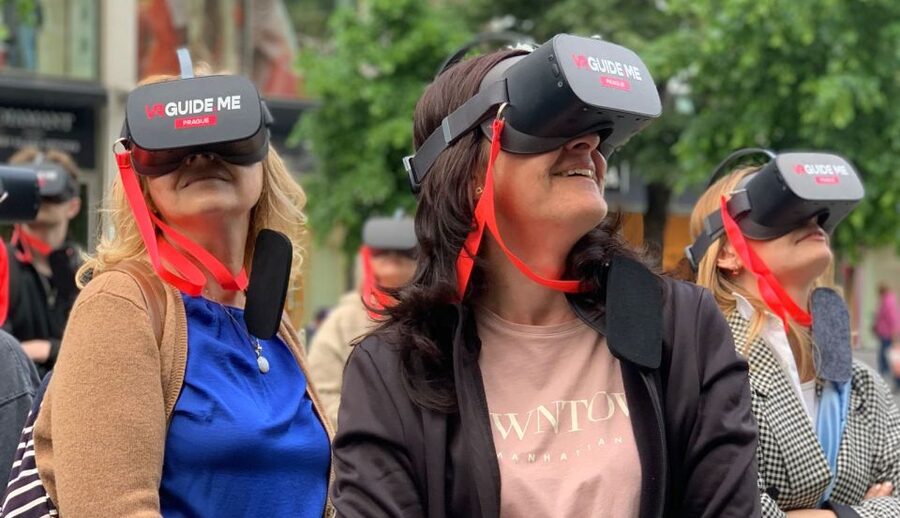
You then reach the New Town Hall area. This stop helps the tour avoid a common trap. Some Prague walks stay stuck in one style of architecture and one tourist bubble. Here, the route keeps you in motion between Old Town and New Town, which makes the historical comparisons feel more grounded.
In real terms, it also helps your brain. VR time shifts are easier to handle when you’re walking through distinct areas rather than staying in one small circle all day.
Saints Cyril and Methodius Cathedral: a quieter stop with context
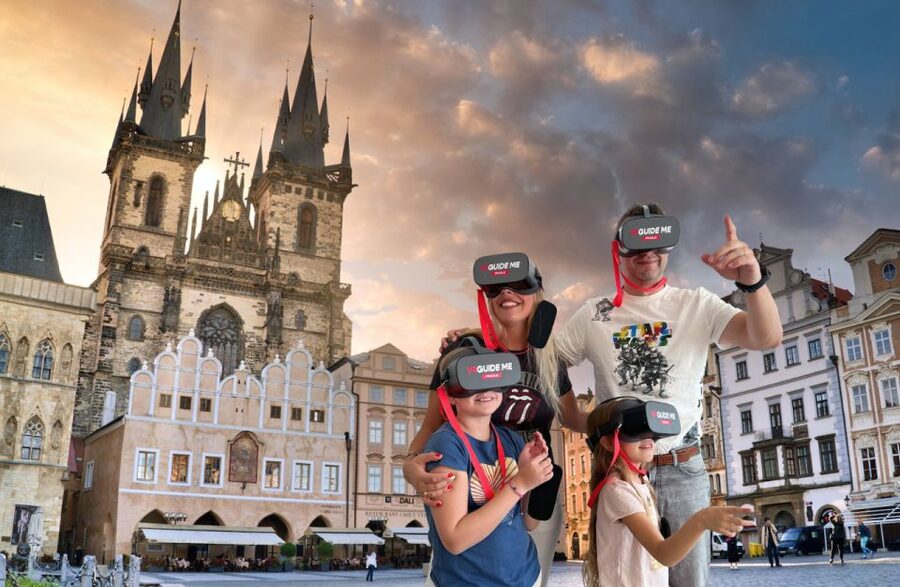
The next highlight is Saints Cyril and Methodius Cathedral. Even without VR, cathedral stops can feel like a change of pace. With this tour, the goal is not just atmosphere. It’s connection, so the guide can set up what comes next and reinforce how the different periods link together.
This is the part of the route where the walking rhythm matters. It’s easy to rush when you’re excited for the next headset moment. Try to slow down enough to listen to the guide’s framing. The cathedral area gives you a natural pause, so you’ll get more out of the explanations.
The biggest emotional punch: Prague Spring VR and Soviet tanks
One of the six VR scenes shows Soviet tanks entering the city during the Prague Spring. This is a powerful segment because it makes a complicated political moment feel immediate.
VR has a way of compressing time. You’re standing in modern Prague, then the scene overlays a different Prague and a different kind of tension. When you take the headset off, the street you’re standing in feels newly charged.
If you’re sensitive to war imagery, consider that this section is likely to be the most intense. The tour’s format keeps it short, but it’s still confronting.
Operation Anthropoid VR: resistance history, staged in place
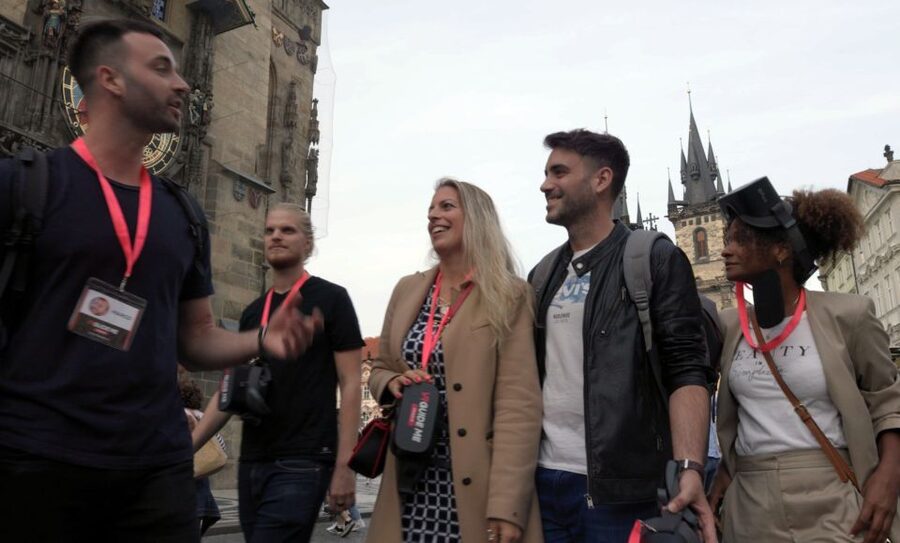
Another VR scene focuses on Operation Anthropoid. In terms of experience design, this is smart. It keeps the timeline moving rather than treating history like separate chapters with no links.
Standing at a real location, then seeing a VR reenactment, gives you a “I was there in the story” feeling. It’s often more memorable than reading about an event, because you’re attaching it to a space, not just a date.
This is also where having an English-speaking guide matters most. The guide helps you understand what you’re seeing, so it doesn’t feel like you’re watching random historical clips.
Ending near the Dancing House, by the Vltava River promenade
The tour finishes near the iconic Dancing House. It’s a great end point because it flips your mind from past to present. You’ve spent time in older versions of the city, and then you end with a modern landmark right by one of Prague’s beautiful promenades along the Vltava River.
If you like finishing a tour with a scenic walk, this works well. You can linger a bit after the headset comes off, then decide what to do next around the river.
One practical note: VR experiences are the kind that make you want to talk right away. If you can, plan a small buffer after the tour, so you have time to process what you saw and ask a question or two while the guide is still fresh.
What I think about the VR itself: clear visuals, a couple of realistic limits
From what the experience is like in the field, VR is a major part of why this tour gets such strong feedback. People love that the VR scenes match real locations, and they tend to mention good sound. That sound piece matters because it can make the scenes feel more “there,” even when movement is limited.
A fair drawback to know upfront: VR isn’t a motion ride. One review mentioned a wish for more movement of people in the scenes. That tells me the VR is more about visual storytelling than physical action.
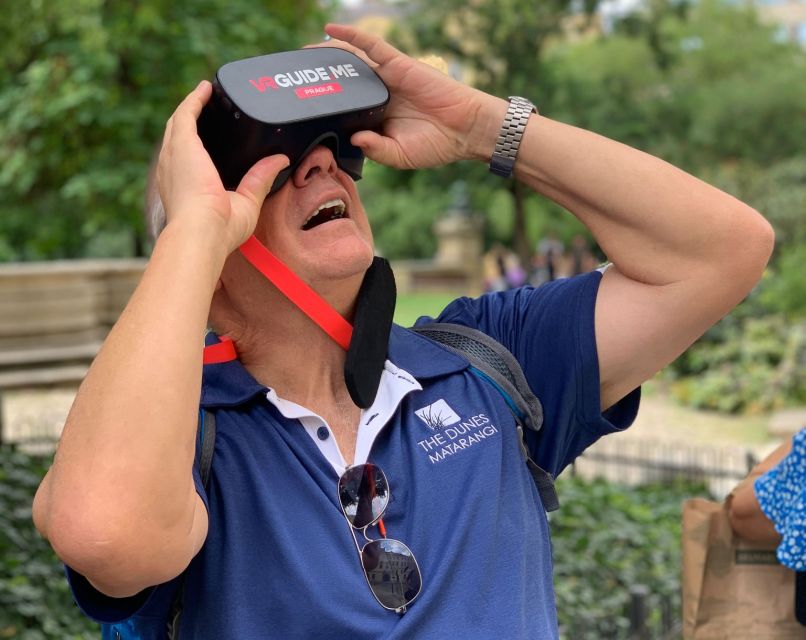
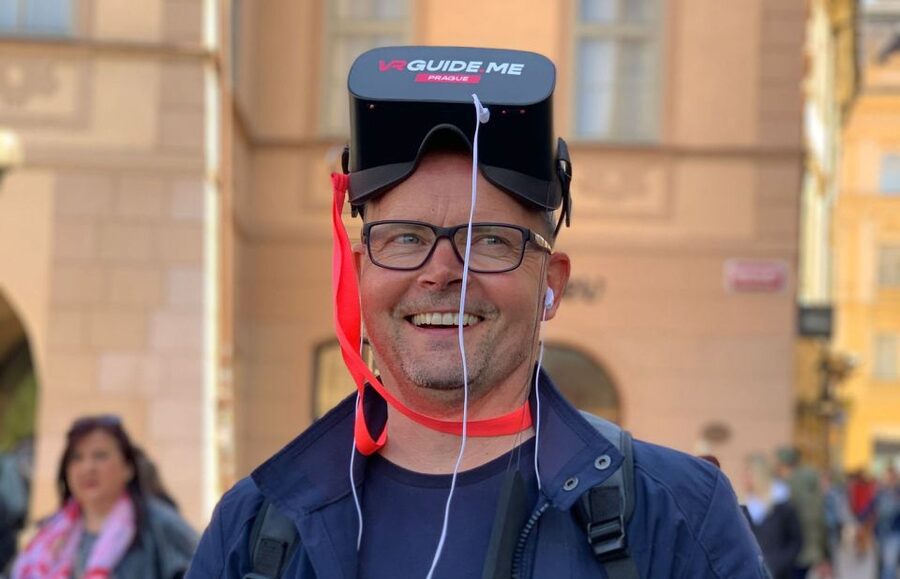
Also, you’ll look funny. That’s not a problem, but it’s real. If you feel awkward wearing headsets in public, it might slightly annoy you. You’ll get over it quickly if you keep your focus on the story the guide is telling.
Who this tour is for (and who should choose something else)
This is ideal for you if:
- You want a structured 2-hour history walk without the fatigue of a longer tour
- You like learning through visuals, not just listening
- You’re the type who remembers places better when you attach events to specific corners of the city
- You’re traveling with kids or family, since it’s suitable for all ages and you can wear glasses
You might choose a different tour if:
- You hate VR or motion-based tech experiences in general
- You prefer deep museum time over street-level history
- You expect the VR to have lots of physical movement like a full theme-ride
For solo travelers, it can feel especially personal on days when groups are small. For couples and friends, it’s a fun shared “compare then and now” moment.
Practical tips to get the most from the 2-hour format
- Wear comfortable walking shoes. You’re covering several central stops in a tight window.
- Keep your phone away during the VR scenes. The tour is paced for headset moments.
- Listen for the guide’s setup before you put on the headset. The context is what makes the visuals click.
- After each VR scene, look around slowly. That is where the real point of the tour hits.
Should you book Prague Immersive History Walking Tour and VR?
If you’re deciding between a standard walking tour and something more hands-on, I’d lean toward booking this one. At $33 for 2 hours, you’re paying for a pro guide plus a VR layer that turns familiar landmarks like Old Town Square and the National Museum area into story locations, not just scenery.
Book it if you want a fast, memorable way to connect Prague’s past to the city in front of you. Skip it if you strongly dislike VR or you prefer to spend your limited time inside museums instead. Otherwise, this is one of the better ways to get a sharper sense of Czech history while still enjoying the walk through central Prague.
FAQ
How long is the Prague Immersive History Walking Tour and VR?
The tour lasts 2 hours.
How much does the tour cost?
The price is $33 per person.
Where does the tour meet?
You meet at Panská 1, at Prague Tour Info, next to Hamleys.
What are the main places you visit?
You’ll visit Old Town Square, Wenceslas Square, the Prague National Museum, New Town Hall, Saints Cyril and Methodius Cathedral, and you finish near the Dancing House.
How does the VR part work?
The tour includes VR headsets and six different VR scenes that show key moments across Czech history. You view the scenes at the related locations as you walk.
Do guides speak English?
Yes. Live tours are guided in English.
Can people who wear glasses participate?
Yes. People who wear glasses can also perform the activity.
Is there a cancelation option?
Yes, free cancellation is available up to 24 hours in advance for a full refund. You can also reserve and pay later.
More Walking Tours in Prague

More Tours in Prague
More Tour Reviews in Prague



Not for you? Here's more nearby things to do in Prague we have reviewed








Prague Walking Tours, compared.
 ★ 4.73-Hour Walking Tour of Old Town & Prague CastleFrom $305,696 reviews
 ★ 4.4Ghost Walking Tour Where Legends Come To LifeFrom $275,253 reviews
 ★ 4.7Jewish Quarter Walking Tour with Admission TicketsFrom $763,729 reviews
 ★ 5.0Prague Guided Walking Tour and Cruise with Authentic Czech LunchFrom $1023,627 reviews
 ★ 4.6Old Town and Jewish Quarter Guided Walking TourFrom $222,847 reviews
 ★ 4.5Prague Ghost and Legend of Old Town Walking TourFrom $212,630 reviews
 ★ 5.0Prague 3-hour Afternoon Walking Tour including Prague CastleFrom $531,899 reviews
 ★ 4.7Ghosts and Legends Nighttime Guided Walking TourFrom $221,462 reviews
Browse the lists this tour appears in