
REVIEW · HISTORICAL TOURS
Wars and Totality History tour in Prague
Prague’s 20th century is written in stone. This small-group walk helps you connect major 20th-century turning points to the actual corners you pass every day, and you get a maximum of 15 people so questions do not get lost. I also like the professional guide plus local guide setup, which keeps the stories tied to place.
You should still know one thing going in: guide quality can affect the vibe. One bad experience reported a guide who seemed unhappy with the job and acted unhelpfully, so it is worth mentally preparing to adjust if your guide moves fast.
Key Things I’d Bet You’ll Notice
- A tight group (max 15) makes it easier to ask follow-ups
- World War I, World War II, and 1948 to 1989 communism all show up in the route
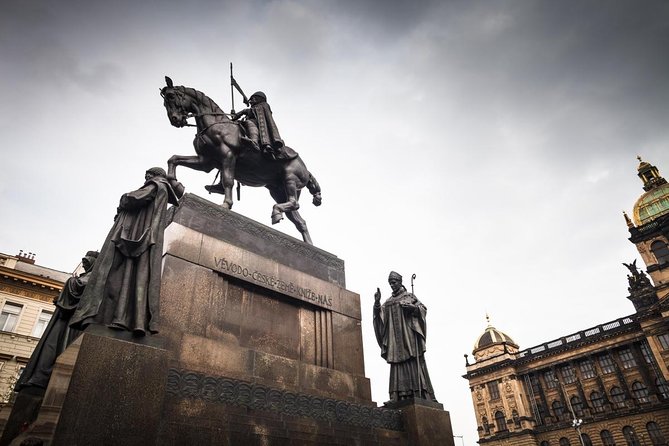
- Wenceslas Square focus with the Wenceslas Monument as a central anchor
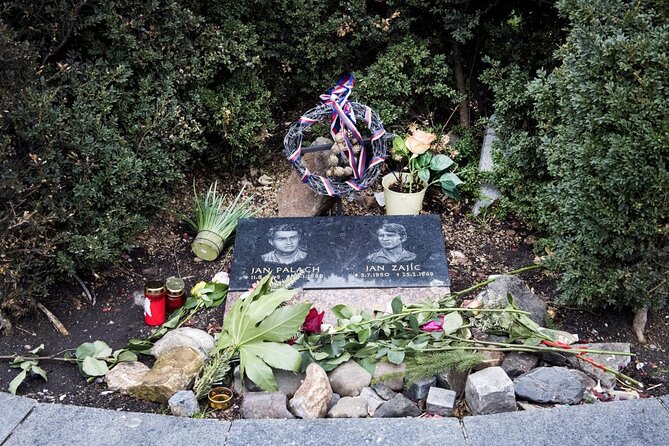
- Narodni Trida memorial moment tied to the Velvet Revolution
- Flexible time slots so you can pick a departure that fits your day
- Mobile ticket convenience, plus listed free admission at stops
What This 3-Hour Prague Walk Is Really About
This is not the usual Prague “greatest hits” shuffle. The focus is the 20th century, with the route built around how wars and communism shaped daily life and political change in Prague. You get to walk through the city with a timeline in your head, not just a camera roll.
I like that the tour takes you beyond what is obvious at a glance. Buildings and monuments can look elegant or dramatic on the street level, but a good guide turns them into evidence of what happened there. And because it is a walking format, you naturally start to notice patterns: where people gathered, where protests happened, and where national identity was argued out in public.
At the same time, you are still walking a real city. You will not get a museum-style slow pace. If you want a more relaxed seated experience, this may feel a bit brisk. If you are comfortable moving and listening, it is a strong way to get meaning out of the streets.
You can also read our reviews of more historical tours in Prague

Meeting Point, Route Shape, and How It Fits Your Day
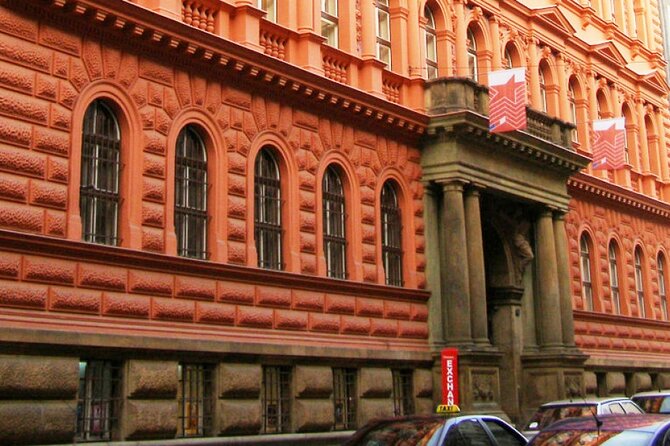
The tour starts at Na Příkopě 864/28 in Nové Město, and it ends at Národní, Praha 1. The end point lines up with the tram and subway area at Národní Trida, which is handy when you want to continue exploring without a long taxi detour.
Because you are walking through central Prague, you should plan this for when you have enough energy to stay outside and upright for about three hours. The route includes short stops and one longer stretch in the New Town area, so you get some quick moments to reset, but it is not the kind of tour where you can barely walk at all.
One more practical note: the tour is near public transportation. That matters in Prague, where the easiest plan often depends on how your legs feel that morning. If you wake up sore or delayed, you have options.
Stop 1: Municipal House Area and the Independence Declaration Place
The first stop is tied to the Municipal House area, plus the Declaration of Independence place, with about 10 minutes on the ground. The goal here is to set a foundation: how Czech identity and public life show up in architecture and public space, before the tour zooms in on later conflict.
Even in a short time, this stop can be a big mental anchor. If you start at a location connected to independence, the later story about wartime upheaval and communist rule reads as one long thread rather than separate chapters. This is the kind of start that helps you connect later landmarks to a broader idea: Prague as a place where public events shape the city.
The downside of short early stops: if you are the type who likes to read signs and stare quietly for extra time, you may want to plan a return visit after the tour. Think of this as orientation, not a deep dive into one building.
New Town for Two Hours: Nove Město’s 20th-Century Focus
The main chunk of the tour happens in Nove Město, where you spend about 2 hours. This is where the walking tour earns its name, because you are in the part of town where the political story can feel closest to the street grid.
Two hours means you will likely cover a lot of ground, and the guide will probably connect history to what you can actually see around you. That is the best kind of learning: you glance up and recognize a spot because you were standing there minutes earlier with context. If you love making sense of a city in a way guidebooks do not manage, this is the part that usually lands hardest.
Keep in mind you are standing and listening in a public space. If you get distracted easily, you might want to bring your attention game. Also consider how this timing fits your day. Two hours is long enough that you should not schedule anything super demanding right afterward unless you know you can handle it.
Wenceslas Monument and the Pulse of Wenceslas Square
Next comes Wenceslas Monument and Wenceslas Square, with about 20 minutes. The tour frames Wenceslas Square as a neuralgical point of Czech history, meaning it is presented as the stage for significant events.
This stop can work very well for first-time Prague visitors because Wenceslas Square is already a famous place. The difference is that you leave with a mental map of why it mattered at different moments in the 20th century. You start to understand the square not just as a landmark, but as a public stage where history played out.
The practical consideration is that Wenceslas Square can be busy, depending on the time of day. A busy setting makes it harder to hear every detail. If you are booking at peak hours, show up with patience, and keep your listening position consistent. Move when the group moves, but avoid slipping far behind if you want to catch the story.


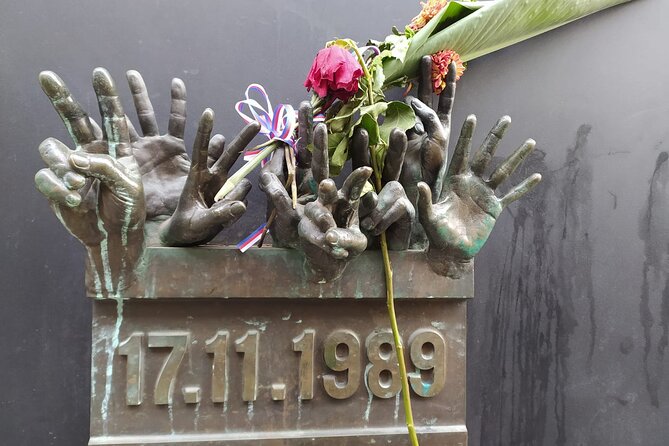
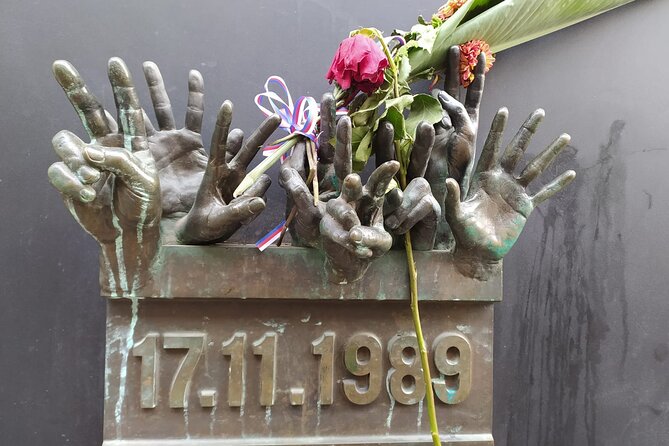
Narodni Trida Memorial: Hands Reaching Out and the Velvet Revolution Trigger
The last stop is the spot with hands reaching out of the wall on Narodni Trida, about 10 minutes. This is described as a memorial desk connected to the Velvet Revolution, specifically the place where the end of the communist era was triggered from.
That connection matters. A location tied to a revolution has a different weight than a location tied to politics in the abstract. Even if you already know the broad outline, standing near a memorial tied to that moment helps the story feel specific and real.
This is also a short stop, so you may have to choose how you experience it: listen closely to the guide, or spend a few extra seconds reading whatever is there. If you are the type who wants to absorb quietly, you might want to linger nearby after the tour ends, especially since the tour finishes near Národní Trida transit.
Price, Group Size, and Ticket Value
The price is listed at $34.39 per person for about 3 hours. That sounds modest, and it is easier to evaluate when you consider what you get: a professional guide plus a local guide, a maximum group size of 15, free admission at the stops, and the convenience of a mobile ticket.
Here is how I think about value on tours like this. You are paying mainly for three things: structure, context, and speed to the right places. Central Prague is full of sites that look important, but without context you can miss why they matter. A focused route saves time and reduces guesswork.
The free admission at the stops also helps. You are not constantly stopping to calculate whether an extra ticket will pop up. That makes it simpler to plan a half-day.
Group discounts are listed too, which can be a quiet advantage if you are traveling with friends. If you are deciding between doing this on your own versus with a guide, the difference is that you get the narrative thread during the walk, not after, when it can feel harder to reconstruct what you saw.
What the Best Moments Usually Feel Like
One of the strongest signals from feedback is how personal the guide can get. There is mention of personal attention and even family history shared during the tour, which can turn public history into something more human. I take that as a clue that this tour is not only about dates and monuments, but about people and consequences.
You can also tell this route is designed for emotional geography. Locations connected to Nazi and communist-era experiences get placed in front of you, so you are not only hearing about the period, you are seeing the street-level setting where it happened. That is often what makes a history tour stick long after you leave.
The flip side is the guide factor. If you get a guide who seems rushed, distracted, or uncomfortable with the group, the whole experience can tilt negative fast. With a maximum of 15 people, group management matters even more, because there is enough size to have questions, but not enough size to hide problems.
Who This Works Best For
This tour is a great fit if you:
- Want Prague history connected to specific places rather than generic descriptions
- Like 20th-century political change, especially World War I, World War II, and the 1948 to 1989 communist period
- Prefer a small group pace that keeps interaction possible
- Enjoy walking tours where you learn as you go
It may be less ideal if you:
- Want a very laid-back stroll with long photo stops
- Get easily overwhelmed in busy public squares
- Are sensitive to guide energy and group pacing, since the tour quality is partly tied to how your guide leads
If you are a first-time visitor and history is your thing, this tour can give you a framework for the rest of your stay. You will start reading the city differently.
Quick Tips to Make It Easier on Yourself
Because you are walking and listening, keep a few practical habits:
- Wear comfortable shoes. This is a walking tour, not a sit-and-watch program.
- Bring a light layer. Prague weather can shift, and you will be outside for most of the experience.
- Arrive a few minutes early at Na Příkopě so you can start calm, not rushed.
- If Wenceslas Square gets busy, stay close to the front of the group so you can hear clearly.
- Keep your phone charged. The tour uses a mobile ticket, and it is nice not to fight your battery.
Also, if you care a lot about hearing every detail, treat the first few minutes as your setup time. Once you fall out of sync with the group pace, it can be hard to catch up.
Should You Book This Prague Wars and Totality History Tour?
If you like Prague history with a clear storyline, I think you should strongly consider booking. The small group limit of 15, the presence of both a professional guide and a local guide, and the focus on World War I, World War II, and the communist era from 1948 to 1989 add real structure. It is also good value for a 3-hour format, especially since admissions are listed as free at the stops.
My one caution is the guide-dependent side of any small-group tour. If you have flexibility, pick a departure time that works best for you, and show up ready to walk and listen. If you want a guided view that turns major squares and memorial points into a connected narrative, this is the kind of tour that can make Prague feel dramatically more meaningful than you expected.
FAQ
How long is the Wars and Totality History tour in Prague?
The tour runs for about 3 hours.
What is the group size limit?
The tour has a maximum of 15 travelers.
Where does the tour start and where does it end?
It starts at Na Příkopě 864/28, Nové Město, and ends at Národní, both in Prague 1.
Is the tour near public transportation?
Yes, it is near public transportation.
Is there an admission fee at the stops?
The stops listed for the tour show admission ticket free.
Does the tour use a mobile ticket?
Yes, it uses a mobile ticket.
Can children join the tour?
Children must be accompanied by an adult.
Are service animals allowed?
Yes, service animals are allowed.
What is the cancellation policy?
You can cancel for free up to 24 hours in advance for a full refund. If you cancel less than 24 hours before the start time, the amount paid is not refunded.
More Historical Tours in Prague

More Tours in Prague

More Tour Reviews in Prague
Not for you? Here's more nearby things to do in Prague we have reviewed







Historical Tours, compared.
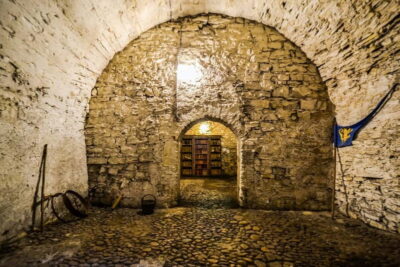 ★ 4.2Oldtown, Medieval Underground & Dungeon History TourFrom $308,244 reviews
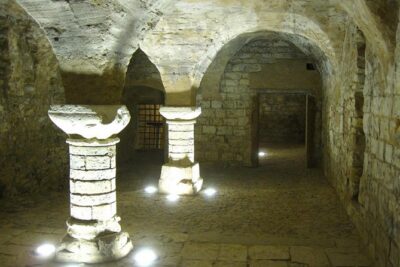 ★ 4.5Prague Old Town, Medieval Underground and Dungeon Historical TourFrom $323,227 reviews
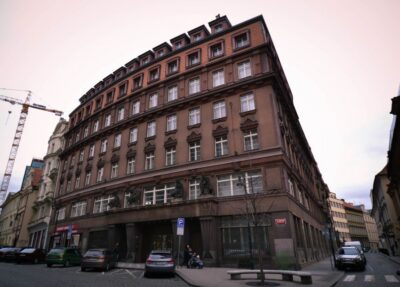 ★ 4.7Communism History and Nuclear Bunker Guided TourFrom $442,417 reviews
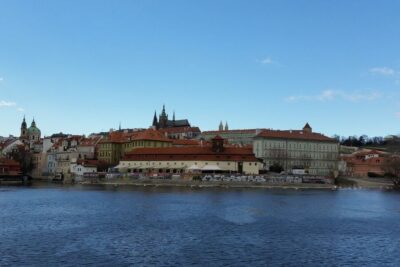 ★ 4.4Historic City Center Bus Tour with Top SightsFrom $202,360 reviews
 ★ 5.0Prague Historic Pub Tour with Drinks IncludedFrom $652,084 reviews
 ★ 5.0Prague Communism History and Nuclear Bunker TourFrom $451,742 reviews
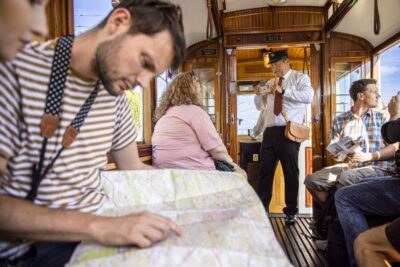 ★ 4.1Hop-on Hop-Off Historical Tram Ticket for Line 42From $201,702 reviews
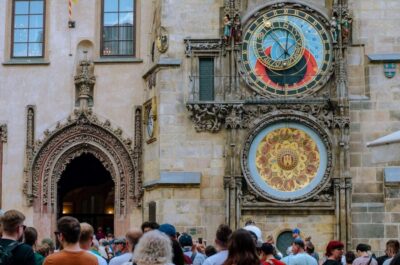 ★ 4.9Top Sights and Historic Center Introduction TourFrom $201,181 reviews
Browse the lists this tour appears in