
REVIEW · JEWISH QUARTER TOURS
Jewish Prague With a Local Historian
Prague’s Jewish stories deserve a guide. This 3-hour tour threads together medieval Josefov life, Nazi-era tragedy, and the Kafka connection, all in a focused walk with a real historian explaining what you’re seeing. You’ll hit major landmarks like the Klausen Synagogue area and the Jewish Cemetery, plus key World War II context.
I love the way the tour stays organized and calm, with a PhD historian (Jiri) who answers questions patiently and keeps a good walking pace. The value feels practical too, because the price covers all fees and taxes, plus bottled water and a Prague public transport ticket. One possible drawback: you do not visit the Jewish Museum together, and Jerusalem Synagogue’s ticket is not included.
Key highlights to look for
- A historian-run walk through the Jewish Quarter, including medieval ghetto references dating to the 13th century
- Klausen Synagogue and the Jewish Cemetery as standout stops in Josefov
- Holocaust focus with place-based memory, including Bubny and a Holocaust Memorial area
- Nicolas Winton’s rescue story at Praha hlavni nadrazi, including the detail about 669 Jewish children
- Jerusalem Synagogue visit, with the reminder that its ticket is not included
Why this Prague Jewish Quarter tour works
Prague’s Jewish history is all over the city, but it’s not always easy to connect the dots. This tour is built to do that job in a short time: you move through a handful of real places and let the historian explain the layers behind them. That’s what makes it more useful than wandering Josefov on your own, especially if you want context on the Holocaust and why names like Kafka show up in the conversation.
The tour is also designed for manageable pacing. It lasts about 3 hours, and the group is capped at 6 travelers for a more personal feel. In a city with crowds and confusing signage, having a guide who can answer questions without rushing matters more than people expect.
You also get practical help for moving around. The tour includes a Prague public transport ticket and bottled water, so your time stays focused on the walk and the stories.
You can also read our reviews of more tours and experiences in Prague.


Josefov: synagogues, cemeteries, and the 13th-century ghetto story
Josefov is the heart of the Jewish Quarter, and the tour spends the longest chunk of time here, about 1 hour 30 minutes. This is where the history becomes physical. You’re walking past synagogue-related sites and hidden corners that are simply hard to notice if you’re self-guiding.
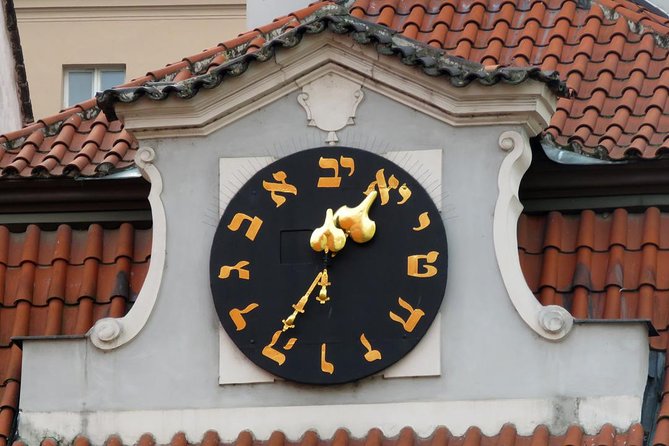
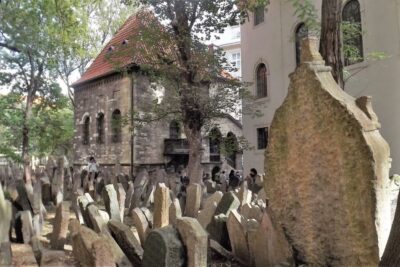
The big attractions in this segment are the Klausen Synagogue and the Jewish Cemetery area. Even if you’ve seen photos, don’t treat these as postcard stops. The value is in the explanation of what these places meant across time, including how Jewish life in the area goes back to the era when the Jewish ghetto dates to the 13th century, described as Europe’s largest ghetto.
A second payoff is the way the historian connects people and ideas. The tour points you toward the Holocaust-era suffering under the Nazis, but it also keeps one foot in everyday life and culture. That’s where the Kafka thread comes in. You hear how Franz Kafka fits into the larger story of Jewish Prague, not as a random trivia fact, but as a way to understand what lived in the city’s intellectual world.
One practical note: the tour does not include visiting the Jewish Museum together. If you want that, the tour information says it can be arranged separately. So if the museum is a must for you, plan for extra time or additional arrangements instead of assuming it’s part of this 3-hour route.
Nove Mesto: Jewish history beyond the obvious stops
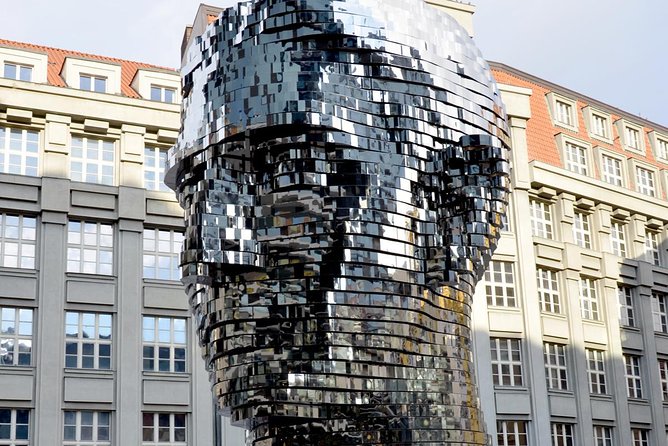
After Josefov, the tour shifts to Nove Mesto (New Town) for about 30 minutes. This segment is about finding Jewish history in places most people overlook. The tour description mentions “hidden Jewish stuff” around three locations, including the oldest known Prague Jewish cemetery.
This is the kind of stop that makes a guide worth it. Left on your own, you might pass by without realizing the significance. With a historian’s framing, those “not that impressive from the street” spots become meaningful, because you’re told what happened there and why it matters to the broader story of the Jewish community in Prague.
Expect this portion to be shorter and more concentrated. You’re not trying to cover every cemetery, every synagogue, or every memorial. You’re getting a few key points that expand your understanding of how the community’s footprint reached beyond Josefov.
Bubny and the Holocaust Memorial: why place matters
Next comes about 30 minutes in Bubny, tied directly to the Holocaust. The description is clear about the theme: this was the departure place of Czech Jews to concentration camps, plus you’ll see the Holocaust Memorial.
This is not the kind of stop where you want to be rushing for photos. What makes it powerful in a guided format is that you’re walking into a specific moment in time, not just reading about dates and numbers. The guide’s role here is to keep the story grounded and understandable, so you leave with more than vague sadness. You learn what this site represents and how it connects to the wider Nazi persecution of Jews across Europe.
A consideration here: emotional subject matter. If you’re sensitive to Holocaust history, you might want to prepare yourself going in. The upside of having a historian lead is that the tone is likely structured and explained, rather than pieced together from guesswork.
Praha hlavni nadrazi: Nicolas Winton and the 669 children
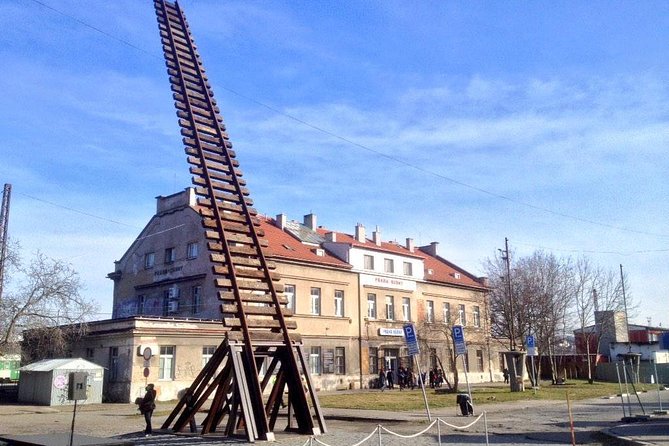
At Praha hlavni nadrazi (Prague main train station), you get a shorter stop, about 15 minutes, focused on Nicolas Winton and the story of how he helped save 669 Jewish children.
If the Holocaust segment in Bubny hits the machinery of persecution, this stop adds a different kind of human story: rescue and intervention, done by someone whose actions are tied to a specific place. In a city famous for travel glamour, train stations can feel like just transit points. A guide changes that by putting the station into a sharper historical context.
This is also a good moment to ask questions. With only a few minutes allocated, you want to be ready with your curiosity so you can get clear answers rather than letting time slip away.
Jerusalem Synagogue: a short stop with a ticket you may need
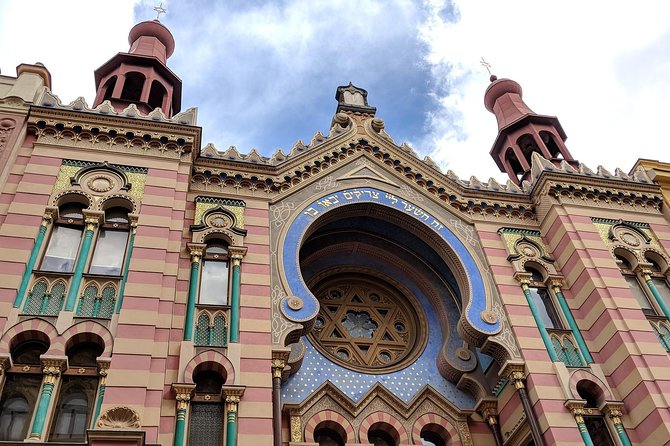
The final historical stop is the Jerusalem Synagogue, also about 15 minutes. Here, the tour description flags that the ticket is not included.
That matters for your planning. Even though the stop is short, it’s still part of the guided experience. You’ll want to check how you’ll handle the ticket on the day, since this can affect timing. If you’re the type who hates last-minute ticket decisions while you’re already on your feet, factor in a bit of flexibility for the final stop.
Timing, walking pace, and group size in real terms
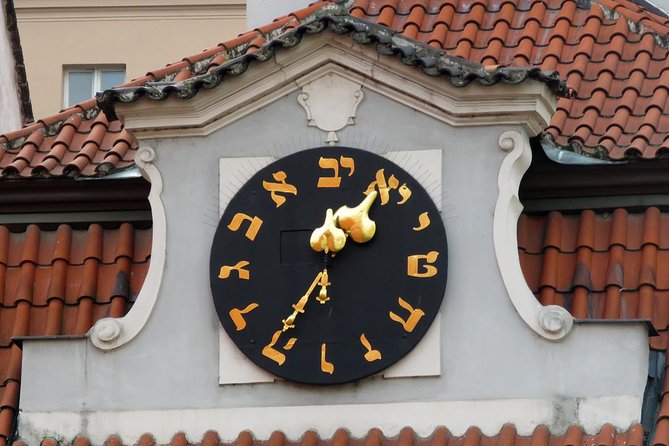
This tour is offered in morning or afternoon time slots, and it’s positioned as a private tour, with a maximum of 6 travelers. That combination is often ideal for a short, high-impact history walk.
Why the small group matters: it keeps questions from getting swallowed. The supplied feedback highlights that Jiri answers questions patiently and completely, and the pace is not too fast. For you, that translates into less feeling rushed, more chance to clarify details, and a better chance to understand why each street corner matters.
The duration is about 3 hours, so you’re getting a focused route rather than a full-day marathon. If you want Jewish Prague context without committing an entire day, this is a reasonable fit.
What you’ll actually get for $64
At $64 per person, this is not a budget ticket, but it also doesn’t try to pretend it’s just a generic walking tour. The value is in what’s included: all fees and taxes, bottled water, and a Prague public transport ticket.
You’re also paying for a historian-led narrative that connects sites across time, from medieval Jewish Prague through World War II history and into the intellectual connection with Kafka. The guide’s role is the product here.
One thing to watch for value-fit: some visits cost extra time or tickets. The Jewish Museum is not visited together, and Jerusalem Synagogue’s ticket is not included. If those are central to your must-see list, you might end up spending more than you expect. If they’re optional for you, this price becomes easier to justify because you still get the big themes and the key places on foot.
How to get the most out of the tour
You’ll enjoy this most if you come with a few personal priorities. For example, decide whether you want to focus more on cultural life, Holocaust memory, or notable Jewish figures like Kafka and the Nicolas Winton story.
Wear shoes you can walk in comfortably. The tour is mostly walking, and it’s about keeping a steady pace. Also, keep your day’s plan flexible enough that you do not feel pressured to rush to your next stop right after the tour ends.
Weather matters. The tour requires good weather, and if it’s canceled due to poor weather you’ll be offered another date or a full refund.
Where the tour starts and ends
The meeting point is Nám. Franze Kafky 24/3, Staré Město. The tour ends at Jeruzalémská, Nové Město. Because you’ll be moving across neighborhoods, the included public transport ticket is a real convenience, not just a small perk.
If you’re mapping your day, plan for the end point to be your natural launching spot for the rest of your itinerary in Nové Město.
Should you book this Jewish Prague tour?
Yes, if you want a short, guided, historian-led route through Prague’s Jewish history that connects the Jewish Quarter with World War II memory and major names like Kafka and Nicolas Winton. The small group limit and Jiri’s patient, detailed answering are exactly the kind of things that make history tours feel worthwhile instead of chaotic.
I’d hesitate only if you know you want the Jewish Museum as part of your core experience, or if you strongly dislike pay-then-enter ticket moments at the Jerusalem Synagogue. In that case, you can still book this tour, but you’ll want a plan for the extra ticket and possible museum timing.
FAQ
How long is the Jewish Prague with a Local Historian tour?
It runs for about 3 hours.
What is the price per person?
The price is $64.00 per person.
Is the tour a private experience?
It is described as a private tour, and it has a maximum of 6 travelers.
What does the tour include?
It includes all fees and taxes, bottled water, and a Prague public transport ticket.
Are synagogue tickets included?
Klausen Synagogue and the Jewish Cemetery are part of the highlights, but the Jerusalem Synagogue ticket is not included. (The tour description also notes that the Jewish Museum is not visited together.)
What is the meeting point?
The start is at Nám. Franze Kafky 24/3, Staré Město, 110 00 Praha-Praha 1, Czechia.
Where does the tour end?
The tour ends at Jeruzalémská, Nové Město, 110 00 Praha-Praha 1, Czechia.
Do I choose a tour time?
Yes, you can choose from a morning or afternoon tour time.
Is it available most days, and do I need to book ahead?
It is typically booked about 25 days in advance on average.
What is the cancellation policy?
You can cancel for free up to 24 hours in advance for a full refund. The tour requires good weather, and if it is canceled due to poor weather you will be offered a different date or a full refund.
More Tour Reviews in Prague
Not for you? Here's more nearby things to do in Prague we have reviewed






Jewish Quarter Tours, compared.
 ★ 4.7Jewish Quarter Walking Tour with Admission TicketsFrom $763,729 reviews
 ★ 4.8Old Town and Jewish Quarter Guided Tour in GermanFrom $293,143 reviews
 ★ 4.6Old Town and Jewish Quarter Guided Walking TourFrom $222,847 reviews
 ★ 4.4Jewish Quarter Ticket with optional Audio GuideFrom $551,107 reviews
 ★ 4.7Classical Concert in the Spanish SynagogueFrom $501,104 reviews
 ★ 5.0Prague’s TOP Sights – Old Town, Jewish Quarter, Charles Bridge (Tip-based tour)From $3843 reviews
 ★ 5.0Prague Old Town New Town and Jewish Quarter Morning TourFrom $32757 reviews
Browse the lists this tour appears in