
REVIEW · HISTORICAL TOURS
The Ultimate Prague History Tour
Prague history, timed to dodge crowds. This private 7-hour tour pairs a crowd-smart start in Nový Svět with a route that reaches Prague Castle with fewer headaches than you get on standard sightseeing loops. You also get Günther’s style of guiding, story-first and focused on how religion, art, and politics shaped what you see on the streets.
My second favorite is the way you get the story behind Gothic style and the Castle cathedral, including the unusual mix of religious and political reasons for the building’s design. One heads-up: the route leans heavily on medieval through early modern Prague, so if your main interest is 1900s history, tell Günther up front so he can shape the day.
Key highlights you will actually care about
- Crowd-smart route from the start: You step off the tram past the Castle and walk through Nový Svět when it is at its quietest.
- Prague Castle context, not just big sights: The cathedral gets explained in the bigger Gothic story, with religious and political layers.
- Lesser-known stops with real character: Loreta Praha, St. John’s Hill, Malte zské náměstí, and Kampa bring variety beyond the Old Town rush.
- Museum time that is short but meaningful: Museum Kampa focuses on František Kupka and abstract painting without turning the day into a long slog.
- Private pace, with room for your questions: It is a private group experience, and the guide adjusts to what you care about.
- Small comfort touches: Bottled water is included, and pickup is offered within the defined area.
Why this Prague history tour works in 7 hours
Prague can feel like one big highlight reel, but a history tour works best when you move from place to place with a clear story line. This one does that fast, with stops that show Prague’s changing identity, from religious power to art and state politics.
You will also appreciate the timing choices. The route is designed so you are not simply marching into the biggest crowds at the same moment everyone else is. It helps that you spend time in smaller pockets like Nový Svět and Kampa, where the city feels human-sized.
And it is not only about famous names. Even the “big” sites are handled with explanation, so you are not just ticking boxes. You leave with a mental map of why the city looks the way it does.
You can also read our reviews of more historical tours in Prague

Meet Günther’s approach, and why it feels personal
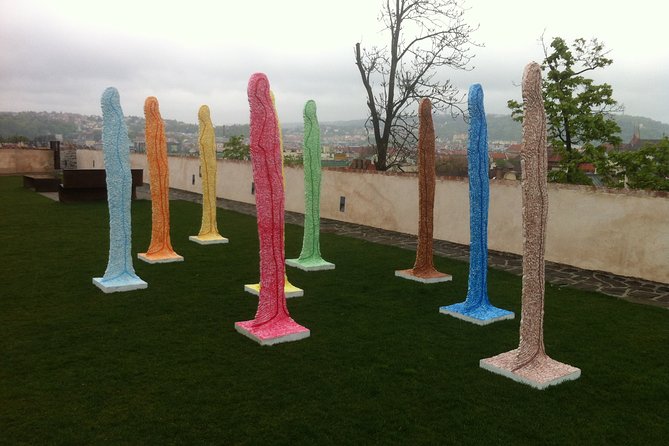
This tour is a private experience, which means you are not trapped in a rigid script. You get a guide who keeps an eye on your questions and your energy level, and who can pace the day to fit you.
Language also matters, and Günther’s setup is strong for international visitors. The day runs in English, and the guide is comfortable communicating across different contexts, from historic sites to practical situations that might come up.
Another reason this tour stands out in daily feel is simple: you are not only walking, you are being taught how to look. That is the difference between seeing Prague Castle as a pile of stone and understanding why the cathedral is where it is, and what that meant politically at the time.
Practical note: the tour is listed as moderate physical fitness. Expect a lot of walking, and wear proper shoes.
Nový Svět to Prague Castle, without the worst crowd crush
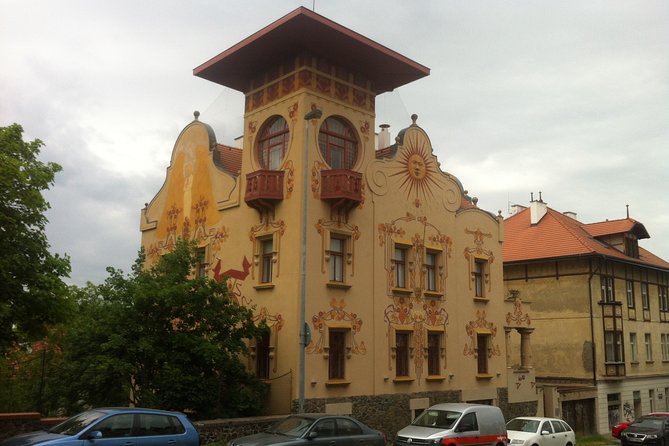
Stop 1 is Nový Svět, and the plan here is smart. You take the tram, but you do not get off right at the Castle front door. You step off past the Castle so you can walk through the New World quarter, and it is incredibly picturesque while still feeling calm.
What you get from this start is momentum. You ease into the day with a neighborhood feel before you hit the Castle. That makes the Castle feel earned, not forced.
Nový Svět also helps you notice details you would otherwise ignore. Think building facades, street shape, and how the Castle dominates the skyline even when you are approaching from the side. It is a small segment on paper, but it sets the tone for the whole day.
Loreta Praha: the monastery-like sanctuary and the treasury stop
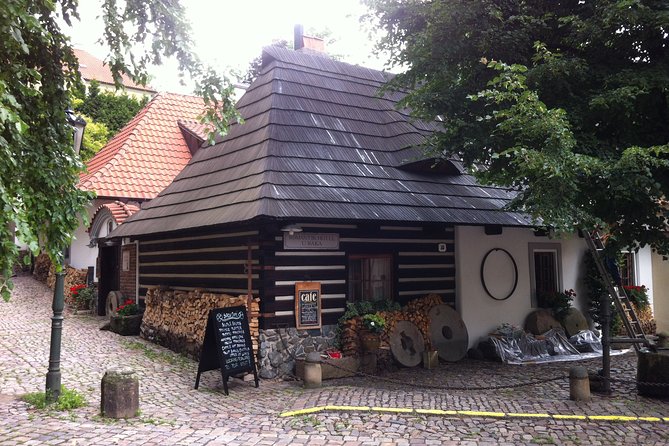
Loreta Praha is stop 2, and it is one of those places that feels made for quiet attention. It is a sanctuary for St. Mary in a monastery-like setting, with a church that draws your eyes up and a treasury portion to see after.
You will likely notice the way legends and history overlap here. Recent research has found that large parts of its mystic legend turned out to be true, so your visit has a built-in question: what is story, and what is substance.
Time on this stop is about an hour. Admission is not included here, so it helps to come prepared for a separate ticket cost if you want to go inside everything available.
If you like religious art and symbolic architecture, this is a great match. If you prefer strictly outdoor viewpoints, you might find it slightly slower than the Castle. Either way, it gives the day depth.
Prague Castle cathedral: Gothic style explained in plain terms
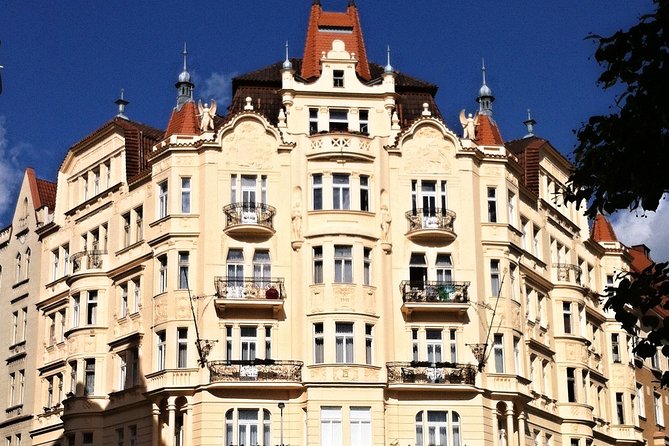
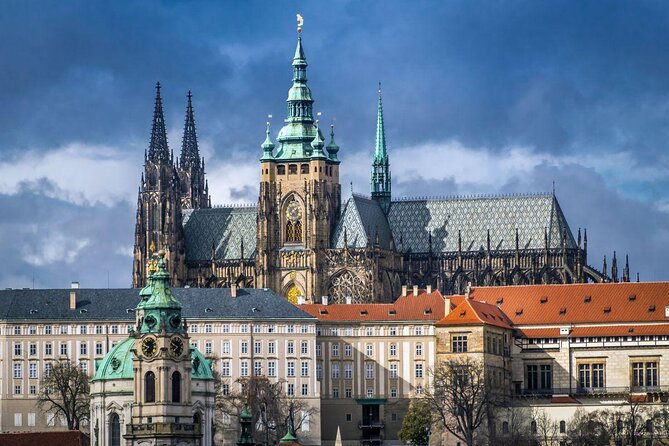
Stop 3 is Prague Castle, and yes, it is the top attraction and it can get crowded. The tour handles this by making your entry smarter, and by letting you decide on the spot if you want to walk through more of it.
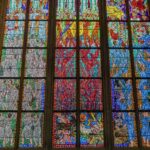
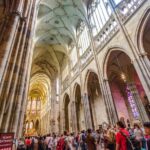
The real value here is what you learn. The cathedral is the highlight, and it gets explained as more than a religious building. You hear how its unusual location has both religious and political reasons behind it.
You also get an explanation of the genesis of Gothic style. This is the kind of thing you usually only hear from a teacher, not from a standard sightseeing guide. The payoff is that you start seeing Gothic features as deliberate choices, not random architectural flair.
Practical heads-up: time at this stop is about 1.5 hours, and the route says the admission ticket is free for this segment. Still, crowds can affect how much you can do, so be flexible and lean into the explanation.

Nerudova and St. John’s Hill: art, religion, and politics on quiet streets
Stop 4 starts on Nerudova, a pretty street that is also very touristic. But the real trick is what happens next. You turn right to St. John’s Hill, a calmer neighborhood that once housed many Italian artists.
Why does that matter? Because it connects art to power. The story you hear links art, religion, and politics, showing you how foreign artists, church influence, and state interests tangled together in the city’s look.
This stop is about an hour, and admission is not included. That does not mean you cannot appreciate it from the street. It just means you should not assume any paid entry is covered.
If you are the type of traveler who likes to understand the “why” behind architecture, you will like this part. It is not as famous as the Castle, but it feels more like real neighborhood history.
Malostranské náměstí: Lesser Town’s square, baroque drama, and WWI echoes
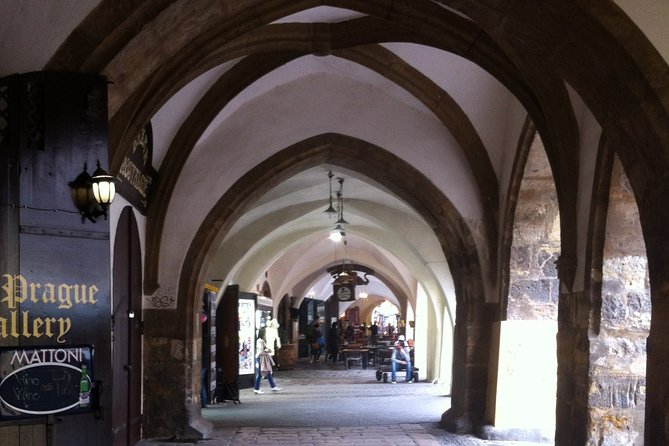
Stop 5 is Malostranské náměstí, the central square of Lesser Town. It has architecture and history packed into a small area, and it comes with stories of religious upheaval and baroque splendour.
You also get WWI espionage stories. That is the kind of detail that makes the square feel lived-in instead of postcard-perfect. It reminds you that Prague’s layers include more than medieval kings and saints.
This stop is short, about 30 minutes, and the admission ticket is listed as free. That is a good use of time because it lets you absorb what the square looks like, then move on before fatigue kicks in.
If you enjoy atmosphere and street-level context, this is a stop worth slowing down for. Pause on the edges of the square and look back toward the streets you just walked.
Malte zské náměstí, embassies, and Kampa’s green break
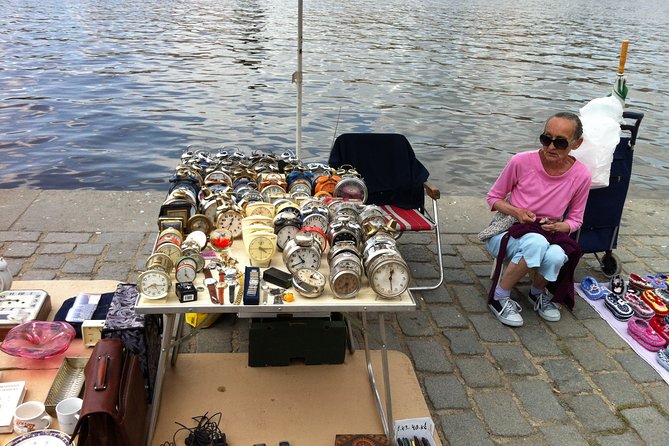
Stop 6 brings you toward the Vltava River. You arrive at a small, pretty square and see the church and the embassy of the Maltese Knights. A bit further is the palace of the French embassy, which the route notes you might be able to visit upon prior request.
Then you reach a section of the Lennon Wall. It is a sad remnant of what it once was, but it still works as a marker of how Prague remembers pop culture and political symbolism over time.
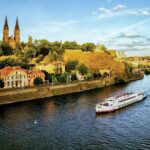
From here, you head to Kampa Island. This is a green oasis that feels like a breath of air after the denser central streets. You also get a quick taste of interesting attractions around the island, enough to make you want to explore a bit further on your own if you have extra time.
Stop 6 lasts about 30 minutes, with free admission listed. This segment is great if you want the day to change pace from “major monuments” to “places you could easily wander for an hour.”
Museum Kampa: Kupka’s abstract world in a former mill
Stop 7 is Museum Kampa, and it is a wonderful choice if you like contemporary art but do not want a long museum day. It is in a former mill, which already gives the building character.
The museum is especially known for the largest collection of František Kupka, one of the pioneers of Abstract Painting. You get to frame what you see through the guide’s story, which makes the art feel connected to Czech cultural life rather than random modern forms.
The museum story also has a human backbone. It was initiated by one of the most interesting women of Prague’s recent history, and the guide has her biography in the library. That turns the visit into a more personal narrative, not only an art walk.
Time is about 30 minutes, and admission is not included. If you are not sure you will enjoy abstract painting, you can still enjoy the setting and the guided context. But the museum is best when you are open to letting art be its own language.
Most Legií instead of Charles Bridge, and Old Town’s wider story
Stop 8 is Most Legií, and it is there for a reason. If Charles Bridge is too busy, you cross the river on Legions’ Bridge instead. This gives you a similar connection to the Old Town side without as much of a bottleneck.
You also get to see the route lead toward Old Town and the National Theatre. That matters because the bridge played an important role in the country’s fight for independence in the 19th century.
This stop is about 30 minutes with free admission listed. It is a transition point, but it also provides a political timeline, which keeps the day from becoming only architecture and art.
Stare Město: medieval villages becoming cities
Stop 9 is Stare Město, the Old Town area. Instead of a straight-line checklist, the tour walks around in a criss-cross pattern based on what you have already seen.
The guide focuses on less-known attractions and explains how medieval villages became cities, and how much of that story is still visible in Prague. This is the big-picture lesson that helps you understand why some streets feel older than others, and why certain patterns show up again and again.
This stop lasts about 30 minutes, with free admission listed. It is short on purpose, because the value is in how the guide connects the dots.
If you like “how cities grow” as much as you like buildings, you will enjoy this. It gives you a way to interpret what you see after the tour ends.
Obecní dům and Art Nouveau coffee, with the why behind the style
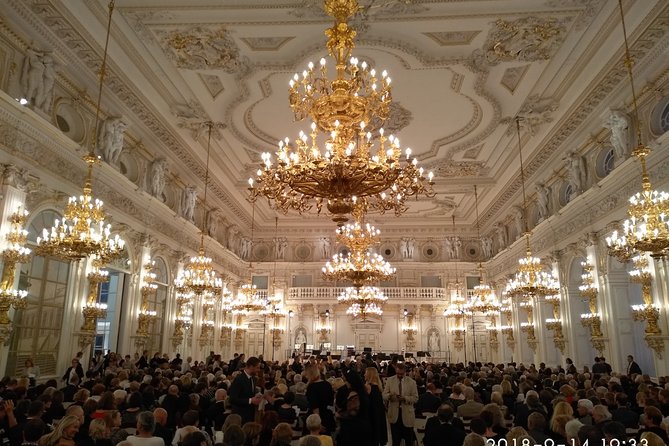
If there is enough time, Stop 10 finishes at Obecní dům, the Municipal House. It is one of Prague’s most beautiful Art Nouveau buildings, with a concert hall, exhibition spaces, two restaurants, and a gorgeous café.
The plan is to end over a cup of coffee, which is a smart move. It gives you a moment to let the day settle in, then ask questions while you are not walking.
You also hear the genesis of Art Nouveau here. That matters because it is easy to see style and miss meaning. The explanation helps you connect design choices to the culture that produced them.
This segment is about 30 minutes, and the admission ticket is listed as free. Dinner is not included, so coffee is the planned finale, not a full meal.
Price and value: what $216.25 gets you in the real world
At $216.25 per person for about 7 hours, you are paying for more than a route. You are paying for a guide who can connect sites into a coherent story and adjust the day as you go.
What adds value is the mix of:
- Crowd-smart timing choices
- Time in major monuments like Prague Castle
- Smaller stops like Nový Svět and Kampa that you might skip on your own
- Clear explanations of art and architecture with political and religious context
Bottled water is included, and pickup is offered within the defined area. Dinner is not included, so you will want to plan an evening meal after the tour.
Is this expensive compared to a public walking tour? Yes, likely. Is it worth it if you want your time to feel organized and meaningful? For many people, yes, because the tour is private and the pace is adjustable.
Who should book, and who might feel mismatched
You should book this tour if you:
- Want a story-based Prague history experience, with architecture and art explained in context
- Like a mix of big sights and quieter neighborhoods
- Enjoy museums when they are handled in a short, guided way (Museum Kampa fits well)
- Prefer a guide who answers questions and can keep the pace comfortable
You might want to think twice if you:
- Mostly care about 1900s and later history, since the route leans earlier by design
- Do not enjoy walking days, because this is a mostly walking experience with a bit of public transport
One more practical note. The tour works best when you tell Günther what you care about early in the day. He can shape the balance on the spot, but you still need to set the target.
FAQ
How long is the Ultimate Prague History Tour?
It is listed as about 7 hours.
What language is the tour offered in?
The tour is offered in English.
Is pickup included, and where does pickup happen?
Pickup is offered, and the guide will pick you up personally anywhere within the defined area.
Is this a private tour?
Yes. It is a private tour/activity, and only your group participates.
Is bottled water included?
Yes. Bottled water is included.
Do I need to buy tickets for the stops?
Some stops list admission ticket not included, including Loreta Praha and Museum Kampa. Other stops are listed as admission ticket free in the itinerary.
Does the tour include dinner?
No. Dinner is not included.
What kind of physical activity level should I plan for?
The tour is listed for travelers with moderate physical fitness.
Is the tour affected by weather?
Yes. The experience requires good weather. If it is canceled due to poor weather, you will be offered a different date or a full refund.
Can I bring a service animal?
Service animals are allowed.
More Historical Tours in Prague

More Tours in Prague

More Tour Reviews in Prague
Not for you? Here's more nearby things to do in Prague we have reviewed






Historical Tours, compared.
 ★ 4.2Oldtown, Medieval Underground & Dungeon History TourFrom $308,244 reviews
 ★ 4.5Prague Old Town, Medieval Underground and Dungeon Historical TourFrom $323,227 reviews
 ★ 4.7Communism History and Nuclear Bunker Guided TourFrom $442,417 reviews
 ★ 4.4Historic City Center Bus Tour with Top SightsFrom $202,360 reviews
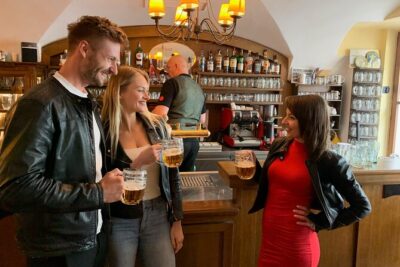 ★ 5.0Prague Historic Pub Tour with Drinks IncludedFrom $652,084 reviews
 ★ 5.0Prague Communism History and Nuclear Bunker TourFrom $451,742 reviews
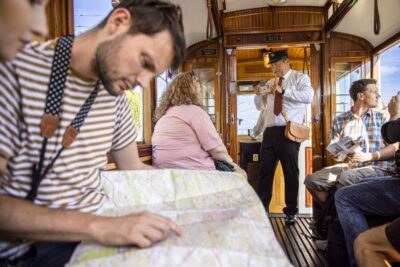 ★ 4.1Hop-on Hop-Off Historical Tram Ticket for Line 42From $201,702 reviews
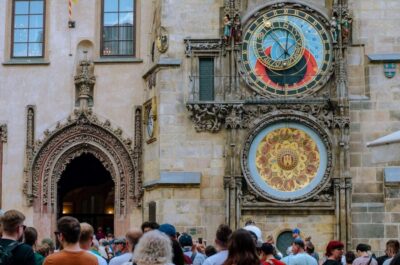 ★ 4.9Top Sights and Historic Center Introduction TourFrom $201,181 reviews
Browse the lists this tour appears in