REVIEW · PRAGUE
The Plague Doctor of Prague
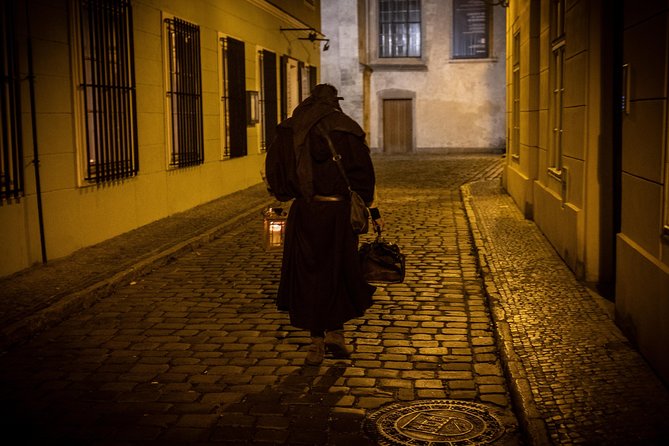
Prague gets a lot darker at night. This 1 hour 30 minute English tour uses a plague doctor character and real locations to help you understand how people in 1715 explained the plague, treated it, and lived with it. You’ll trace the story across key stops around Prague, then finish with a group photo and a quick look at what plague means today.
I especially love the storytelling approach and the tight, small group size that keeps you engaged without feeling rushed. I also love how the tour centers on Jewish communities in plague times, not just generic fear.
One thing to consider is that the plague doctor performance can feel a bit intense up close, and one prior guest noted the costume could use a refresh.
Key points to know before you go
- Alexander Schamsky and plague saints set the tone right from Karlova 3
- Quarantine life gets explained through Prague landmarks like Klementinum and the New Town Hall area
- Old Town Market Square ties daily commerce to fear, flight, and rumor
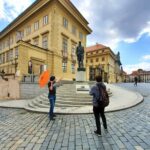
- Kafka’s statue and the Jewish Quarter connect personal stories to European culture, including La Peste
- Na Frantisku hospital history covers treatment ideas and famous and lesser-known medical workers
- A group photo at the end makes it easy to remember the route
A plague doctor walk that turns Prague into 1715
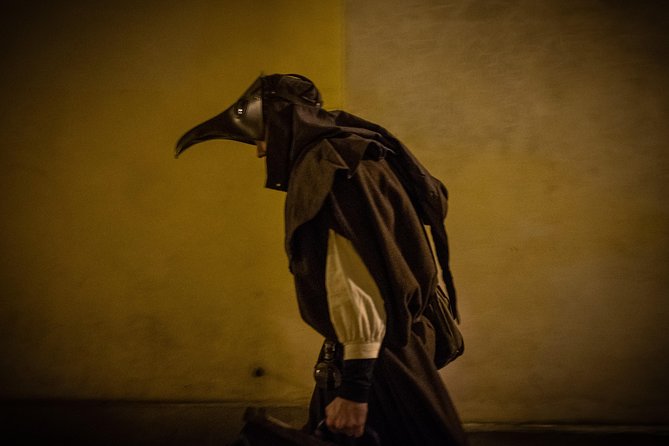
This is not your usual history march with dates and head nods. The experience is built like a character-led route, starting with a plague doctor tied to Prague and then moving into the kind of everyday details that explain why people panicked, prayed, fled, or tried to help.
The format also makes it easy to follow. With a maximum of 10 travelers, you can hear the guide and ask questions. It’s also English, and it runs about 1 hour 30 minutes, so it works well as an evening add-on when your legs are tired but your curiosity is not.
You can also read our reviews of more tours and experiences in Prague.

Meeting at Aurus Hotel Prague, and why the starting story matters
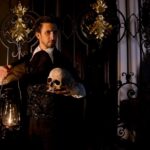
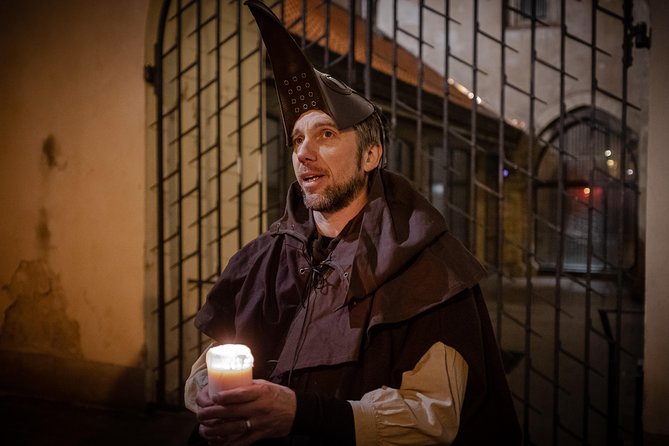
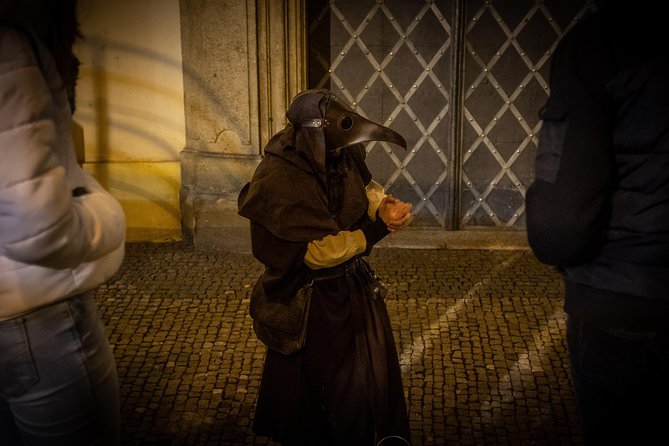
Your tour starts at Aurus Hotel Prague, Karlova 3, in Prague 1, Old Town area. You’ll meet the plague doctor of Prague, Alexander Schamsky, and step back into the year 1715, when people tried to explain an illness they could not truly see.
The first stop is the building known as the House of the Golden Well. The guide frames it with the plague saints St. Sebastian and St. Rochus, plus the era’s guesses about root causes of disease. That matters because it gives you a lens for everything else you’ll see. When you learn how people in the 1700s tried to make sense of plague, Prague’s streets and institutions start to feel like part of a single story, not random stops.
Practical tip: this is where you’ll get oriented. If you’re the type who wants the whole route to click into place, pay close attention in the opening minutes.
Klementinum, the New Town Hall area, and quarantine life
Next you head toward the New Town Hall stop area, where the tour connects several real locations: the old monastery Klementinum, the library, and the new town hall setting. This is where the tour shifts from plague beliefs and religious imagery to how life actually changed.
You’ll hear about different kinds of Black Death and how wealthy and common people in Prague experienced the crisis differently. That social split is one of the most useful parts of this tour, because it stops the plague story from becoming one-size-fits-all. Rich families had more ability to avoid exposure, while others faced harsher realities, including strict rules.
Then comes quarantine life. You’ll get a sense of what it meant to be restricted, how people tried to stay safe, and what everyday movement looked like when authorities tried to control spread. Even if you already know modern public health basics, this historical quarantine context gives you perspective on why quarantine feels so familiar across centuries.
Old Town Square scenes, merchants, and the Thirty Years War thread
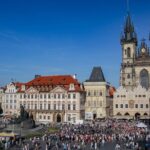
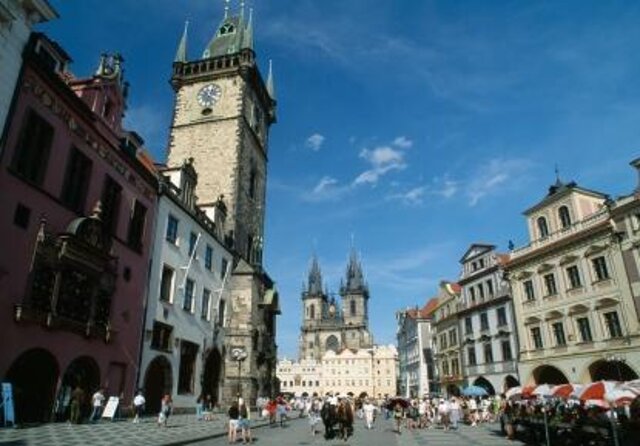
At Staromestske namesti, the route lands at the big market square where you’ll see landmarks tied to plague-era life and the war years that followed. The stop includes the Hussite Church, Tyn Church, and the Old Town Hall area, and the guide uses the space to paint how commerce functioned when fear ran high.
The tour looks at merchants during plague times, including what it meant to keep selling, keep traveling, and keep living under uncertainty. You’ll also get an excursion into the Thirty Years War. That part is valuable because it shows how plague did not land in a vacuum. People were dealing with conflict, breakdowns in daily routines, and strain on resources all at once.
If you’re wondering whether this tour feels too “spooky theater” to be useful, this is usually where the balance hits. The guide ties buildings and squares to actual choices people made, not just creepy symbols.
Kafka’s statue, La Peste, and the Jewish Quarter impact
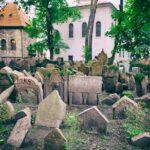
One of the strongest themes is how the tour treats the plague’s impact on Jewish communities. After a brief Franz Kafka introduction, you’ll move toward the Jewish Quarter. The guide shares insights about Jewish life during plague times in Prague and Europe and connects the story to the novel La Peste by Albert Camus.
This is more than a literary stop. It helps you understand how European culture kept wrestling with plague long after the worst outbreaks faded. The Jewish Quarter segment makes the story feel personal and grounded, since it focuses on community experience rather than only medical procedure.
Practical tip: if you want to ask a question, this is a good time. The tour covers religion, society, and illness beliefs, and the guide style in the Q&A moments tends to be clear and friendly. From the guide names I’ve seen used in this tour, performers like Thomas, Oskar, David, and Maddie often handle questions with humor while staying respectful.
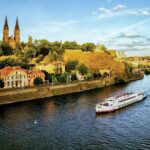
The hospital at Na Frantisku, Saint Simon and Jude, and old healing ideas
The tour then visits the Church of Saint Simon and Jude and explores the old hospital Na Frantisku. This stop is where you’ll get more medical background about plague and the kinds of healing methods people believed in at the time.
The guide discusses how plague killed an estimated 200 million people worldwide, which puts Prague in a global context. You’ll also hear about healing methods used then, plus the working reality of hospitals during outbreaks. One of the points that often makes guests smile is the inclusion of unknown heroes of medicine, people who helped without becoming famous in the way you might expect.
This stop is a great fit if you like the human side of medicine. You’re not just watching a history lesson, you’re learning how people tried to save lives with limited tools. And because the guide includes both medical background and everyday constraints, it’s easier to make sense of why some practices look strange to modern eyes.
St. Agnes of Bohemia and a look at plague today
To wrap up, you’ll conclude at the National Gallery Prague, Convent of St. Agnes of Bohemia. This ending stop feels like a breather, not just a finish line. You’ll hear about St. Agnes’s life and work, then get a summary of plague times in Prague and Europe.
The tour also touches on the current status of the disease. You won’t get a modern science lecture here, but you will get a bridge from past to present. That kind of ending matters because it keeps plague from being a dead topic locked in old streets.
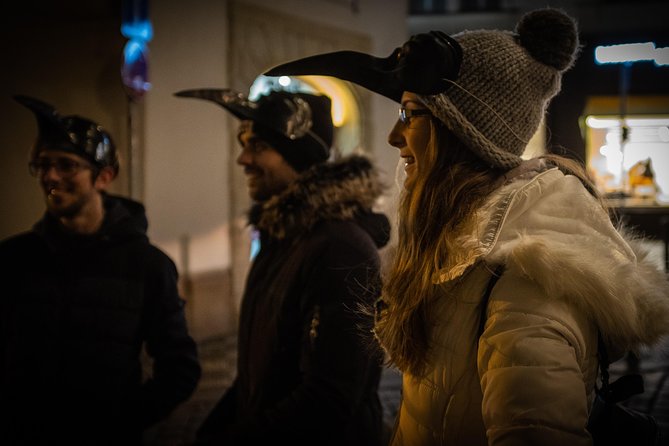
You’ll also end with a group picture with the plague doctor. It’s a small detail, but it helps you remember the experience beyond photos of churches and squares.
Price and value for a small-group evening route
At $26.61 per person, this tour is priced like an evening activity, not a big-ticket production. The value comes from four things working together:
First, it’s a small group, with a maximum of 10 travelers. That size makes a real difference for hearing the guide and keeping the pacing comfortable.
Second, multiple stops involve areas where admission is free for the tour portion. Since the tour is structured across several landmarks, you get a lot of scene change without paying extra entry fees at each point.
Third, you’re getting a blend of history, culture, and public health thinking. The quarantine section and the hospital stop make it more than costume and spooky atmosphere.
Finally, the tour has strong third-party recognition, including coverage by New York Times, Vogue, and Forbes. That does not automatically mean it’s good, but it is a sign the format has landed well with a wide range of visitors.
If you like Prague tours that feel like a story, not a spreadsheet of monuments, this one is a strong deal.
Who should book, and who might skip
Book this if you want a fun but thoughtful way to learn about plague, especially if you care about the social impact on different communities. The Jewish Quarter focus, quarantine life explanation, and hospital segment make it a good fit for adults and teens who want more than surface facts.
It’s also a solid pick if you enjoy guided performances. Multiple guides have handled the role with humor while keeping the medical and historical content moving. Named performers you may encounter include Thomas, Oskar, David, and Maddie, and the common thread is clear storytelling.
You might skip if you prefer architecture-only tours with minimal narrative. This is not a building-by-building photo tour. It’s a lived-in plague story, tied to the places where people would have felt it.
FAQ
How long is The Plague Doctor of Prague tour?
The tour lasts about 1 hour 30 minutes.
Where does the tour start?
It starts at Aurus Hotel Prague, Karlova 3, 110 00 Praha 1-Staré Město, Czechia.
Is the tour offered in English?
Yes, it is offered in English.
How many people are in a group?
The tour has a maximum of 10 travelers.
Do I need an admission ticket for the stops?
The itinerary lists admission ticket as free for each stop.
Is the ticket mobile?
Yes, it uses a mobile ticket.
What is the weather requirement?
The tour requires good weather. If it is canceled due to poor weather, you will be offered a different date or a full refund.
Does the tour include a group photo?
Yes, the tour ends with a group picture with the plague doctor.
Are service animals allowed?
Yes, service animals are allowed.
When is the best time to book?
On average, this tour is booked 16 days in advance.