
REVIEW · OLD TOWN & ASTRONOMICAL CLOCK
Small Group Prague Old Town and Jewish Quarter Walking Tour
Prague hides its best stories in small lanes. This 2.5 hour Old Town and Jewish Quarter walking tour keeps you in the quieter streets where big groups can’t fit, while showing you how to read the city’s religious and architectural clues.
What I like most is the small group size (max 6). It makes the walk feel personal, and questions do not get steamrolled. I also love how the guide links what you see, Pinkas Synagogue details, Old Jewish Cemetery context, and then the mechanics of the Astronomical Clock, so you leave with more than postcard facts.
One thing to consider: you will be walking at a steady pace on old stone streets, and the history gets specific. If you prefer light and breezy, you might want to pace yourself and take in the sites, not just the dates.
Key highlights worth planning for
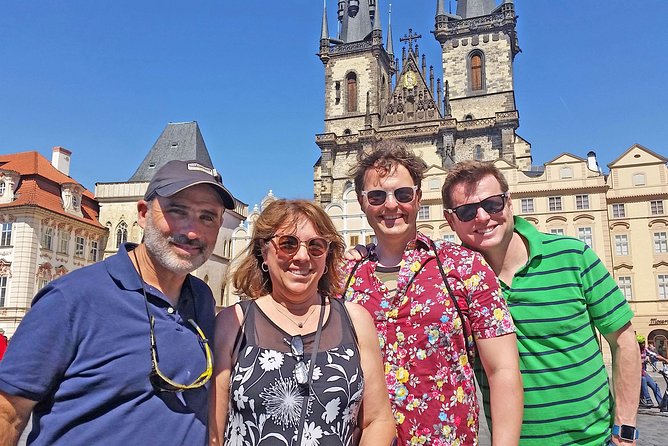
- Up to 6 people, so you can actually ask questions
- English expat guide with deep local context (often led by guides such as Jason, Jans, or James)
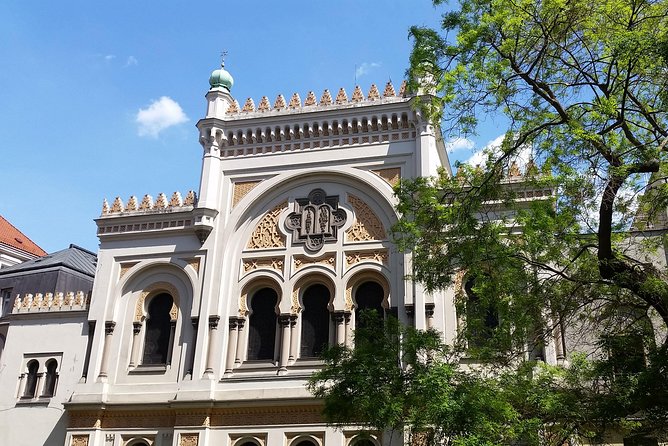
- Jewish Quarter focus across multiple major sites, from Pinkas Synagogue to the Spanish Synagogue
- Old Town Hall and the Astronomical Clock, plus tips for where to watch the apostle procession
- Practical local advice built into the route, including food and beer garden direction
- Hidden courtyards, passageways, and street-level details where big groups typically cannot go
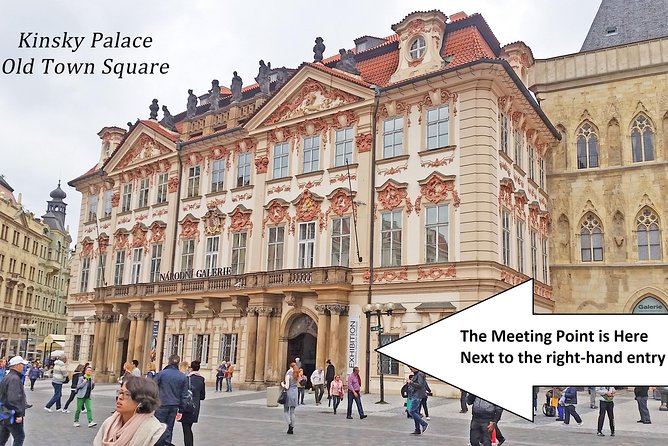
Meeting at Staroměstské náměstí and getting your bearings
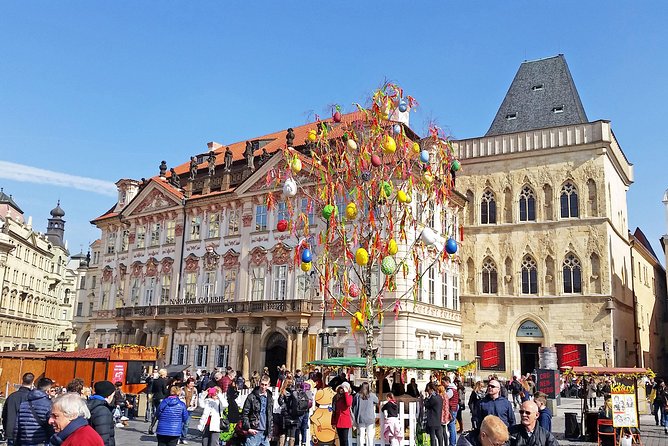
You start at Staroměstské nám. 12, in Prague 1, right in the heart of the Old Town action. It is a convenient hub for public transport, and it is also the kind of meeting point that helps you orient quickly once you start moving.
This is an English tour run at a relaxed pace, timed for about 2 hours 30 minutes. The small group size matters here. When you are only up to six people, you can hear the guide, pause when something catches your eye, and keep the flow without the constant stop-start rhythm of large tours.
You get a mobile ticket, which is simple on travel days when you do not want to manage paper. And because the tour ends back at the starting area, it is easy to roll into lunch, a museum detour, or just wandering without needing a new transit plan.
You can also read our reviews of more walking tours in Prague

Side streets, passageways, and courtyards that explain the look of the Old Town
Prague’s main squares are impressive, but they can also be misleading. The best way to understand Old Town is to notice the tiny spaces in between.
That is where this tour shines. You spend time in the little streets, alleyways, and courtyards that big groups often skip. On their own, these places do not scream attraction. The value comes from what the guide teaches you while you walk. You learn why these passageways exist, how they shaped movement and daily life, and why the Old Town and Jewish Quarter look the way they do today.
A key element is learning to see the city’s layered identity. You pick up tips on Czech basics, so signs and labels feel less like a wall of mystery. You also learn to interpret building identifiers and recognize different design styles as you pass them, which makes the next street you explore on your own feel less like random scenery.
One standout topic you encounter early is the Stolpersteine (Stumble Stones) project. The guide introduces what it is, and you see how Prague uses small, street-level markers to keep memory present in everyday space.
Another practical bonus: the guide includes local pointers on where to eat and drink, plus small habits that make it easier to plan the rest of your day. That is the kind of knowledge that pays off after the tour, when you are hungry and trying not to fall into the most obvious tourist trap.
Jewish Quarter synagogues and cemeteries, from Pinkas to the Spanish
After you get your street-level footing, you shift into the Jewish Quarter proper. This is not just a quick highlight reel. You get a structured walkthrough of major sites, with clear context and what to look for when you arrive.
The tour covers Pinkas Synagogue, the Old Jewish Cemetery, and the Ceremonial Hall, plus the Klausen Synagogue, the Old/New Synagogue, and the Spanish Synagogue. For each stop, the guide gives concise background, explains how the site functions today, and points out specific visual cues worth noticing.
This matters because synagogues can look similar at first glance, especially if you are moving quickly. The guide’s approach helps you slow down mentally, even if you are still walking. You are not just hearing history. You are being taught how to interpret symbols, layout, and architectural choices as you stand there.
Another practical element is timing and access. The guide shares tips on how to skip the lines where possible. Even if you still wait at certain points, knowing the strategy ahead of time can save energy and keep the visit from feeling like a constant queue marathon.
There is also a more human, everyday angle built into the tour. One part explains why Czech language performances were not allowed in a particular setting, along with that site’s claim to fame. Even without turning the walk into a lecture, it gives you a sense of how culture, rules, and identity intersected in real life.
And because the Jewish Quarter can be emotionally heavy anywhere, it helps that the guide keeps the framing measured. The goal is understanding and context, not shock for its own sake. You can still learn serious history, while keeping the tone steady enough to stay engaged.
Old Town Hall and the Astronomical Clock, where to watch the apostle procession
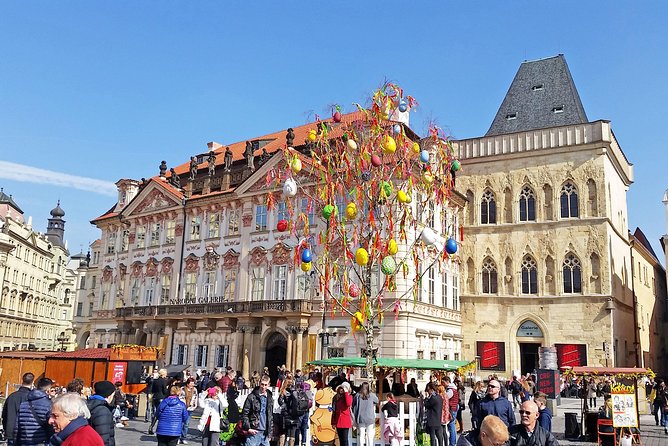
Old Town Hall is one of those Prague stops where people zoom in for a photo and zoom out. This tour uses it as a lesson in how the city likes to tell time and power stories.
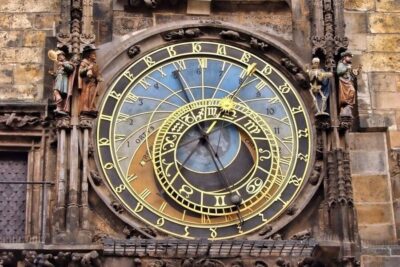
You start by learning when the Old Town Hall first opened, how it came to have an Astronomical Clock, and who built it. Then you get practical advice on how the clock works, which turns a visually complex object into something you can actually follow.
The tour also pays attention to the performance side of things, especially the apostle procession. You get guidance on where best to watch it. That tip is gold because the clock area can get crowded fast, and it is easy to pick a spot that makes you see everything except the part you care about.
If you like hands-on understanding, this section works well. The guide does not just explain the story of the clock. You also learn what to look for when it is happening, so you are not stuck guessing what you are witnessing.
Jan Hus, the Hussite movement, and what replaced the Marian Column
Prague’s religious history is not locked in museums. It shows up in monuments, names, and the way the city remembers its arguments.
You spend time on a topic connected to Jan Hus, the Hussite movement, and the Czech Reformist movement. You learn who built the monument connected to this story and what it represents, then you practice interpreting what you see rather than treating it as background decoration.
You also cover the Marian Column that used to be on the square, including what it was used for and why it is no longer there. That kind of explanation changes the way you look at a plaza. It is no longer just space for tourists to mill around, it becomes a record of shifting values and politics.
This section is a good example of why the route works. The guide connects the past to the city layout you are standing in right now. You understand why certain places feel like they have opinions, not just architecture.


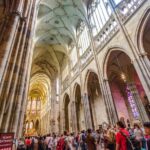
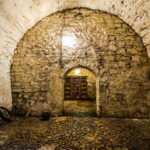

A church stop with shifting denominations and the Gothic details to notice
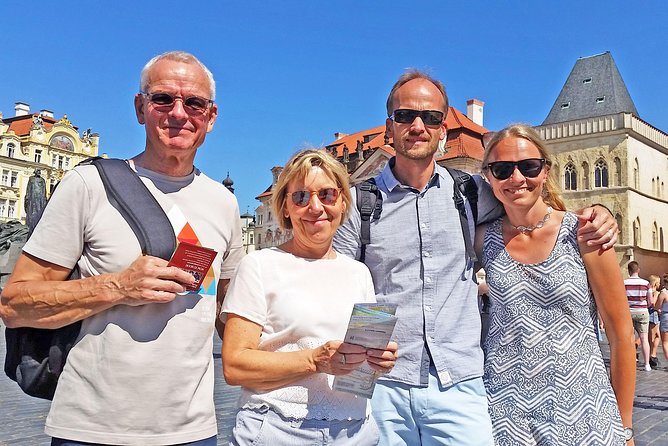
Not every Prague church is the same story told in the same language. This tour includes a church segment where you focus on style and function, plus how religion can change even when the walls remain.
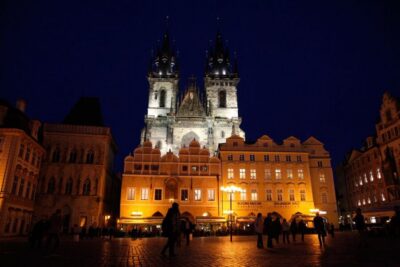
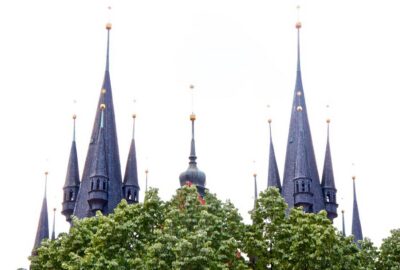
You get an overview of the church’s style and why it is here, and then you learn how its denomination changed over the years. You also get a checklist of Gothic features to look out for, so you are not just wandering past stonework.
Importantly, the guide explains how to get into it and provides opening times guidance. That is practical, because Prague’s religious spaces can have hours that do not match your walk schedule unless someone points them out.
You also get a quick first look at recent census data. You do not get swallowed by numbers, but it offers a modern contrast, reminding you the story is not only medieval.
Havelská Street Market and Czech treats like chimney cake
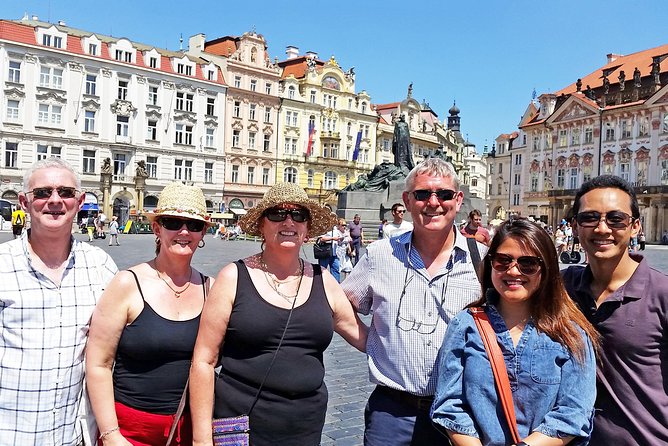
Between major sights, you weave in the everyday Prague that makes the city feel real. One highlight is Havelska Street Market, described as one of the oldest markets in Europe.
You learn when it opened and why you might want to come. You also learn why it is only 10 percent of its original size today. That context helps you appreciate why the market looks different than the myth. It is still a place where locals intersect the tourist city, but it is now shaped by centuries of change.
The tour also includes a food angle. You hear about a cake often called the chimney cake, including how Czechs prefer to eat it. The key is that you are not just told what it is. You get the local habit of how to take it in so it feels more like a normal snack stop, not a performance for visitors.
And at the right moment, the guide points you toward a popular beer garden. Even if you are not a beer person, Prague beer gardens are often the easiest way to see the city from a different angle, with less effort than chasing viewpoints one by one.
Value and pace for $22.99, and why the small group format matters
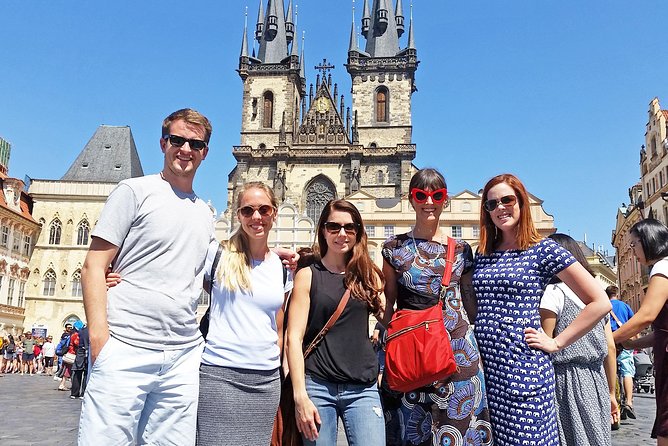
At $22.99 per person for about 2 hours 30 minutes, the price is reasonable, especially because this is not a single-attraction tour. You are getting multiple major sites in Old Town and the Jewish Quarter, plus a lot of street-level context you cannot easily pull from a guidebook.
The real value is the format. With a maximum of 6 travelers, the guide can adjust the pace and spend time where the group wants it. Several experiences like this are praised for being interactive, which usually means you get answers to the questions that pop up while you are standing in front of something you do not yet understand.
There is also the guide’s local edge. The tour is led by an English expat who has lived in Prague for over 20 years. That kind of long-term experience shows up in small choices, like where to pause, what to point out, and which tips help you later that day when you are tired and hungry.
The other planning note: this tour is commonly booked about 50 days in advance on average. That suggests it fills up, particularly in busier seasons. If your schedule is tight, book early rather than hoping for last-minute availability.
The only time I would hesitate is if you are traveling with a very narrow interest, like only wanting a quick clock stop. This tour spreads across synagogues, cemetery context, civic history, and architectural reading. It is ideal for people who want to connect the dots.
Should you book this Prague Old Town and Jewish Quarter walk?
I recommend it if you want a first solid pass through Old Town that feels like you understand how the city works, not just what the top photos are. The route is especially good for:
- First-time Prague visitors who want orientation in the Old Town and Jewish Quarter
- People who enjoy architecture and symbolism, not just landmarks
- Travelers who like a guide who can explain in plain terms, with a bit of humor in the delivery
Skip it if you want a low-effort walk with minimal facts. This is still a walking tour with serious context, and the story gets detailed in places.
If you can do one structured tour early in your trip, this is a strong choice. It sets you up to wander the area afterward with clearer instincts about what you are seeing, and where you might want to return for a longer look.
FAQ
How long is the Prague Old Town and Jewish Quarter walking tour?
The tour lasts about 2 hours 30 minutes.
What is the group size?
This experience has a maximum of 6 travelers.
Where does the tour start?
It starts at Staroměstské nám. 12, 110 00 Praha 1-Staré Město, Czechia.
Is the tour offered in English?
Yes, it is offered in English.
What ticket do I need?
You get a mobile ticket.
Are service animals allowed?
Yes, service animals are allowed.
Is the tour near public transportation?
Yes, it is near public transportation.
What is the cancellation policy?
Free cancellation is available. You can cancel up to 24 hours in advance for a full refund. If you cancel less than 24 hours before the start time, the amount paid is not refunded.
More Walking Tours in Prague
More Tours in Prague
More Tour Reviews in Prague
Not for you? Here's more nearby things to do in Prague we have reviewed









Old Town & Astronomical Clock, compared.
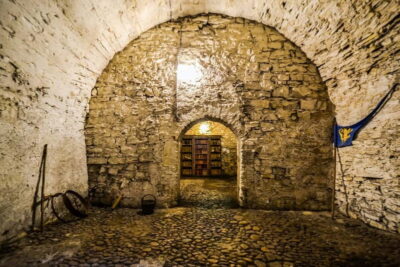 ★ 4.2Oldtown, Medieval Underground & Dungeon History TourFrom $308,244 reviews
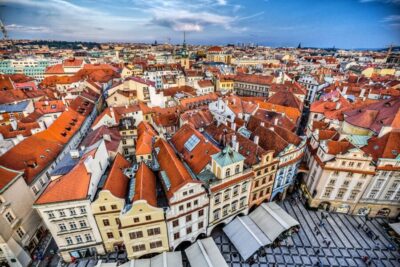 ★ 4.5Old Town Hall Tower Entry TicketFrom $216,749 reviews
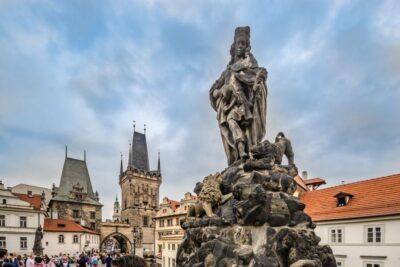 ★ 4.73-Hour Walking Tour of Old Town & Prague CastleFrom $305,696 reviews
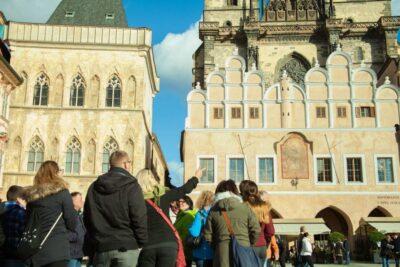 ★ 4.83-Hour Old Town and Prague Castle Tour in GermanFrom $365,671 reviews
 ★ 4.5Prague Old Town, Medieval Underground and Dungeon Historical TourFrom $323,227 reviews
 ★ 4.8Old Town and Jewish Quarter Guided Tour in GermanFrom $293,143 reviews
 ★ 4.5Ghosts and Legends of the Old Town Evening TourFrom $213,091 reviews
 ★ 4.6Old Town and Jewish Quarter Guided Walking TourFrom $222,847 reviews
Browse the lists this tour appears in