
REVIEW · GUIDED
Prague : Visite insolite avec un guide journaliste français
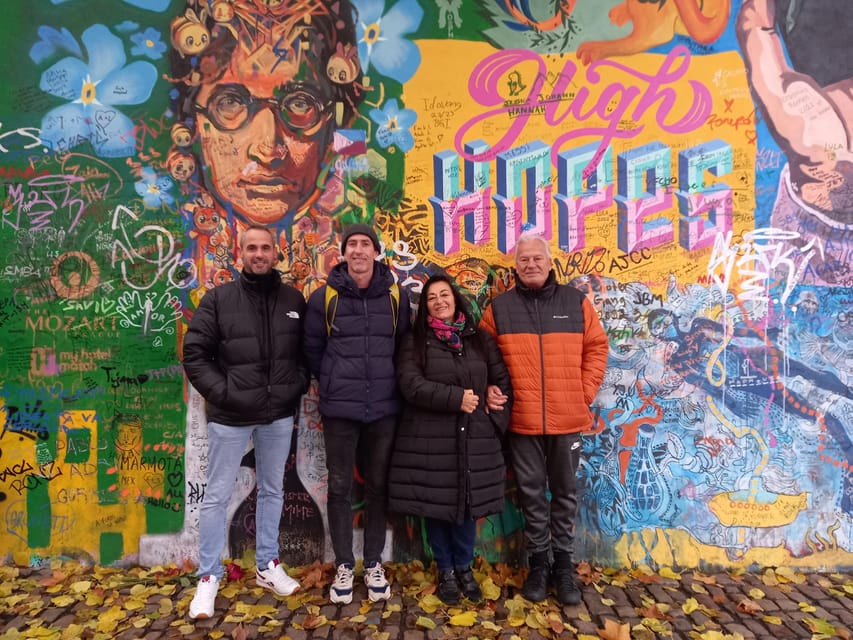
Prague tells stories best when you walk. This off-the-beaten-track tour is led by Mathieu Ponnard, a French journalist and Prague writer living in the city for 15+ years, and it’s the sort of route that reveals quiet corners you’d miss on your own. One catch: the tour is in French, so you’ll want a decent level to follow the details.
I like how the pace is friendly, 210 minutes long, and built for real questions in a small group of up to 20 people. You’ll see major sights like Wenceslas Square and Old Town Square, then connect them to Prague’s everyday political, cultural, and social life, right down to what to eat afterward.
Key Points You’ll Feel Immediately
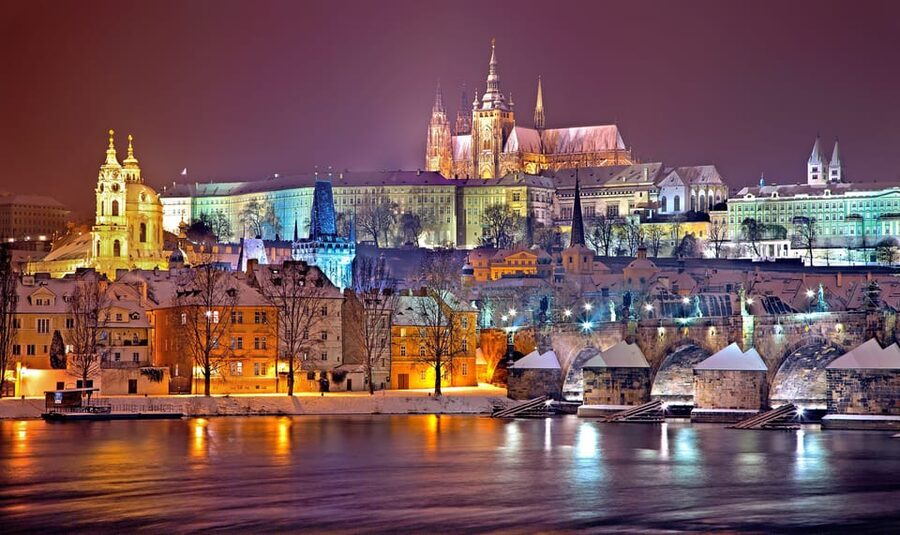
- French guide with journalist habits, meaning the stories have context, not just facts
- Small group (max 20) so you can ask questions without shouting over crowds
- Architecture plus street-level legends, from public squares to tucked passageways
- A “use Prague like a local” approach, with restaurant and walk recommendations after the tour
- A route that mixes big landmarks with lesser-visited corners, so it feels like more than sightseeing
How a 3.5-Hour “Insolite” Walk Changes Your First Day in Prague
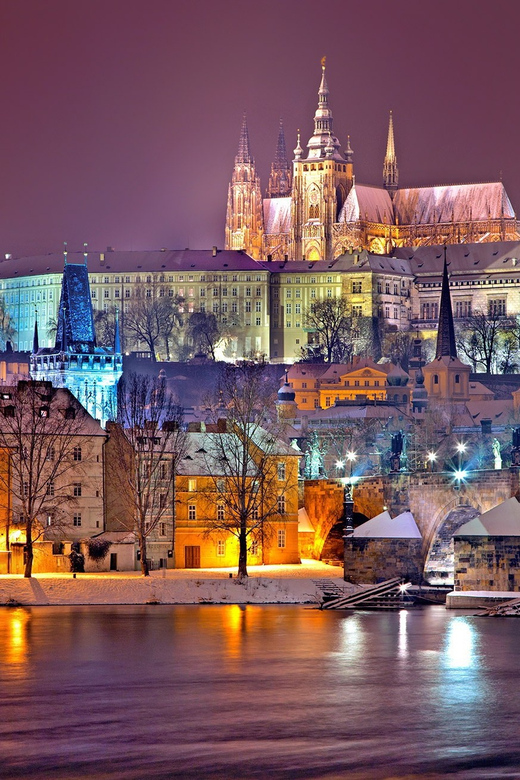
Prague can be overwhelming fast. You open Google Maps, you chase viewpoints, and you end up doing the same loop as everyone else. This tour aims to prevent that by turning Prague into a guided story you can actually use.
You get a 210-minute walk, starting near Statue of Saint Wenceslas and finishing at Mikulášská 22. Along the way, you’re not only shown monuments, you’re coached to understand what they meant to the city, and how the city still works today.
The value is not just the sights. It’s the way the guide ties history, architecture, and daily life into a single walking thread. If you care about Prague beyond photos, this format makes a difference.
You can also read our reviews of more guided tours in Prague
Meeting at Saint Wenceslas, Spotting the Yellow Backpack, and Getting Set
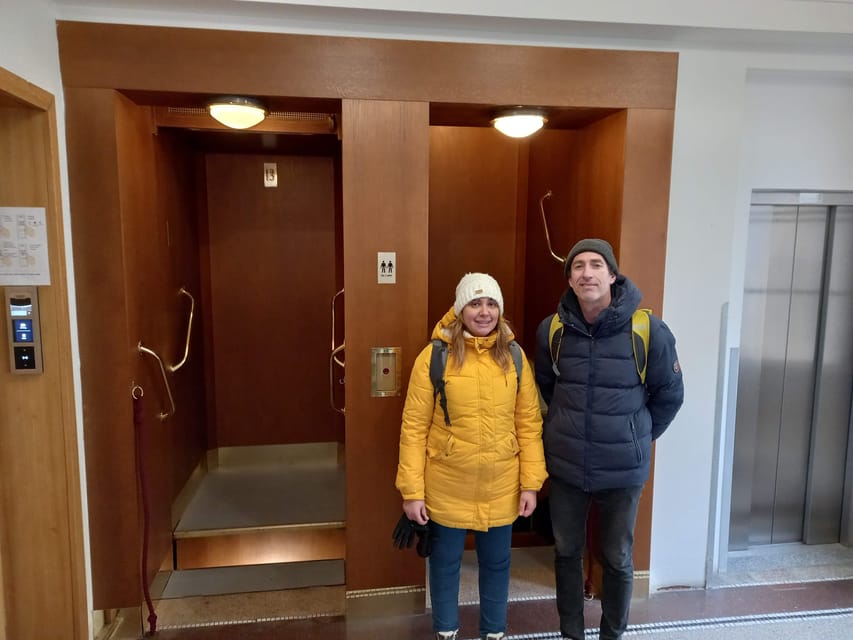
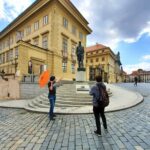
Your only “logistics stress” here is the meeting point. You meet at the Statue of Saint Wenceslas, and your guide wears a yellow backpack, which makes it easier to find the right person in a busy area.
There’s no hotel pickup or drop-off. That’s actually a plus if you like simple plans, but it does mean you should build in time to reach the start calmly.
Because it’s a walking tour, you’ll want shoes you can rely on. The total duration is 3.5 hours and the route includes multiple central areas, plus the kind of older-street terrain Prague is famous for.
Wenceslas Square Start: More Than a Famous Avenue
Wenceslas Square is where many Prague stories begin, even if you’ve never heard the specific details yet. It’s one of the city’s main public stages, and that makes it perfect for setting the tone.
What I like about starting here is that the guide can frame Prague’s larger themes early. You’re not just looking at buildings, you’re learning how public space, power, and everyday movement shape a city.
Expect a mix of practical observations and historical cues. It’s the kind of start that helps you later when you’re standing in squares and wondering why the layouts feel intentional.
Passageways and Adria Palace: Prague’s “In-Between” Spaces
After the big avenue feel, the tour shifts toward the city’s tucked-in spaces, where Prague gets more intimate. Passageways are exactly that: connectors, shortcuts, and places where commerce and daily life happen away from the most obvious streets.
This is where you’ll get the benefit of a guide who knows the city’s internal logic. You’ll start noticing how people move through Prague and why certain building choices mattered.
Then you reach Adria Palace, a location that naturally invites architecture talk. In Prague, these early modern and later Art Nouveau touches aren’t just pretty. They show how the city wanted to present itself, how money and culture mixed, and why certain areas became identity anchors.
Kafka’s Head: Legends That Live in Plain Sight
You’ll also see Kafka’s Head, and this stop works as a reset for your imagination. You’re still walking through real streets, but the guide helps you connect Prague’s literary myth-making to the physical city around you.
This is one of the tour styles I personally love: it treats legends like street-level truth, not academic trivia. You learn how these references cling to corners and facades, so later, when you pass a similar detail on your own, it doesn’t feel random anymore.
If you’re a first-time visitor, this kind of storytelling can make Prague feel less like a museum and more like a living place.

National Theatre to Old Town Square: From Cultural Stage to City Center
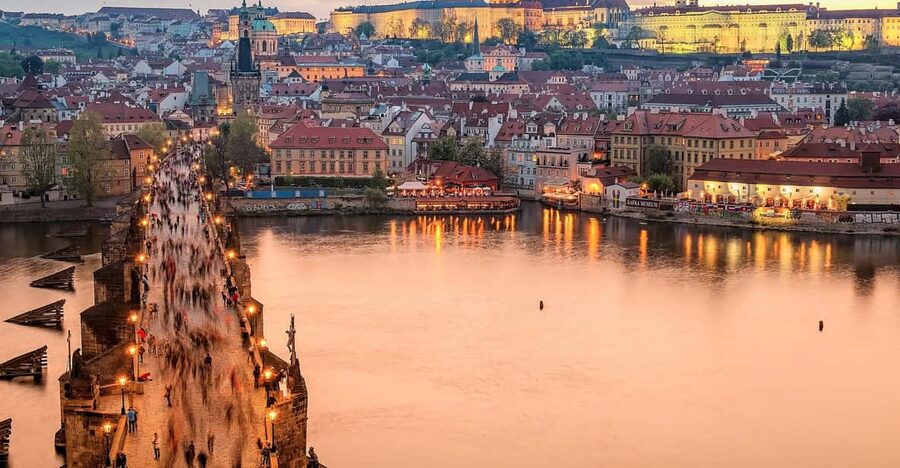
The route reaches National Theatre, a stop that reminds you Prague has always measured culture in public ways. A theatre is not only about art. It’s about status, civic pride, and how a city wants to look to itself and others.
From there, you head toward Old Town Square, which is Prague’s most recognized heart. This can be crowded, but a guided approach changes how you experience it.
I like what a good guide can do here: point out how architecture around a square affects sightlines, how buildings create a sense of order, and how the square’s role has evolved over time. Even if you know the basics, the walk makes you see patterns instead of isolated landmarks.
If you’re the type who gets bored by repeating the same photo spots, Old Town Square can still work, as long as the guide gives you reasons to look closer.
House of the Black Madonna: Sacred Art and Local Meaning
Next comes House of the Black Madonna, which naturally pulls the tour into religious art and local tradition. This is one of those Prague stops where your reaction depends on what you expect.
If you’re here only for views, you might miss the point. But if you’re open to the idea that a city’s identity also lives in devotion and daily belief, this stop can land hard.
The practical takeaway is simple: Prague isn’t only Gothic and postcards. It’s also the kind of place where religious imagery shapes memory, tourism, and even local habits.
The guide’s role matters here because they connect what you see to why people cared, and why the symbol kept its power.
Municipal House: When Big-City Glamour Feels Like a Local Habit
From there, you’ll reach Municipal House, another major architecture stop. This is the type of building that can feel like a costume if you only skim it. But when someone connects the building to how Prague ran its civic life, it becomes more interesting.
Municipal House is a strong example of Prague’s “public beauty” tradition. It signals pride and legitimacy through design, and it also shows how civic identity gets built into everyday institutions.
If you enjoy art, craftsmanship, and how architecture communicates, this is one of the best parts of the tour to pay attention. You’ll also get that extra layer of context that helps you understand what you’re seeing without turning it into a lecture.
Powder Tower: A Landmark That Works as a Navigation Tool
The tour ends with stops that keep the walking story flowing, including Powder Tower. Towers and old gate structures in Prague are more than old rocks. They help you understand how the city’s defense, movement, and later urban growth influenced today’s street plan.
This stop is great for closing the loop. You see how the city used to control entry and exits, then you notice how central Prague became open and crowded over time.
It also helps you “read” the city after the tour. Once you understand why these structures exist, Prague streets start making more sense when you’re wandering on your own.
Ending at Mikulášská 22: A Smart Finish for More Walking
You finish at Mikulášská 22. I like finishing near central Prague streets because it makes it easier to turn the tour into a longer day, not just a single event.
This is also where the guide’s value keeps paying off. You’re not just sent away with tired legs. You’re given advice for the rest of your stay, including restaurant recommendations and walk ideas.
That local guidance can save time, especially if you arrive in Prague feeling like every restaurant looks good in photos. Even a few practical suggestions can steer you toward better meals and calmer routes.
What You Really Get for $48: Value, Not Just Sightseeing
At $48 per person for 210 minutes with a French journalist guide, the value is in three areas.
First, you’re paying for interpretation. Instead of collecting monuments, you collect understanding. That’s what makes Prague more enjoyable later when you’re deciding what to do next.
Second, you’re getting a small group format with up to 20 participants. That matters because questions actually get answered, and your guide can react to what people want to see.
Third, you receive advice for the rest of your stay. The tour includes that “what next” guidance, like where to eat and where to go for walks. For many visitors, that part is the difference between a decent trip and a great one.
Food and drinks are not included, so plan on handling meals yourself. That’s normal for this type of walking tour, but it also means the guide can recommend places based on your preferences rather than a fixed package.
Who This Tour Fits Best (and Who Might Want Another Plan)
This is a strong match if you want Prague with context, not just a checklist. You’ll likely enjoy it most if you care about architecture, enjoy legends and city stories, and want to learn how Prague’s public life shaped what you see.
It’s also ideal if you like the idea of getting restaurant and walking recommendations from someone who lives in the city. Mathieu Ponnard is positioned as a long-term Prague resident and a writer for well-known publishers, and that shows in the way the tour is framed as useful.
It may be less ideal if you’re not comfortable with French. The tour language is French, and the tour format depends on you catching the guide’s explanations and answering questions in real time.
It’s also not built for people who need hotel pickup. You’ll start at the statue and you’ll get to the end location under your own steam.
Should You Book This Prague French-Led Walk?
If you’re looking for a smarter first pass through Prague, I think this one is worth booking. The French journalist guide, the focus on secret corners, and the promise of restaurant and walk advice make it more than standard landmark sightseeing.
Book it if you want to connect Prague’s monuments to everyday city life. Book it if you like asking questions and you enjoy walking routes that feel planned but not rigid.
Skip it if French explanations are a problem for you, or if you want a tour with hotel pickup and food included. For most visitors, though, the combination of sites like Wenceslas Square, Old Town Square, and Powder Tower, plus the quieter stops in between, is a great way to build momentum for the rest of your trip.
FAQ
What is the duration of the tour?
The tour lasts 210 minutes, about 3.5 hours.
How much does the tour cost?
The price is $48 per person.
What language is the tour in?
The tour is in French.
Where does the tour start?
The meeting point is at the Statue of Saint Wenceslas.
Where does the tour end?
The tour finishes at Mikulášská 22.
How do I recognize the guide?
Your guide will be wearing a yellow backpack.
What is included in the price?
You get accompaniment during the tour with a French guide, plus advice for the rest of your stay, such as restaurants and walks.
Is food and drinks included?
No, food and drinks are not included.
Is cancellation free?
Yes. You can cancel up to 24 hours in advance for a full refund.
More Guided Tours in Prague
More Tour Reviews in Prague
Not for you? Here's more nearby things to do in Prague we have reviewed







Guided, compared.
 ★ 4.6Castle Tour with Local Guide and Entry TicketFrom $6110,422 reviews
 ★ 4.5Klementinum Library & Astronomical Tower Guided TourFrom $185,050 reviews
 ★ 5.0Prague Guided Walking Tour and Cruise with Authentic Czech LunchFrom $1023,627 reviews
 ★ 4.8Old Town and Jewish Quarter Guided Tour in GermanFrom $293,143 reviews
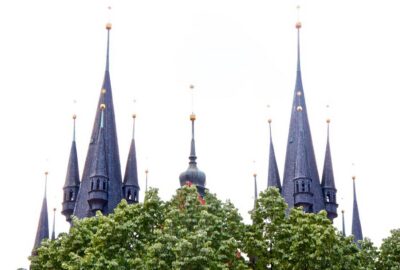 ★ 4.6Old Town and Jewish Quarter Guided Walking TourFrom $222,847 reviews
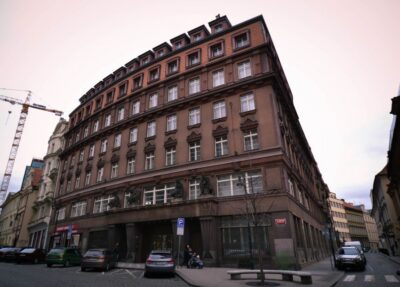 ★ 4.7Communism History and Nuclear Bunker Guided TourFrom $442,417 reviews
 ★ 3.7Staropramem Brewery Self-Guided Tour with TastingFrom $142,106 reviews
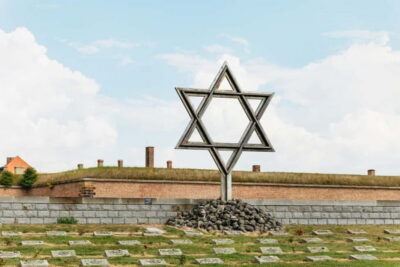 ★ 4.5From Prague: Terezin Concentration Camp Guided Tour w/ AudioFrom $671,959 reviews