
REVIEW · PRAGUE CASTLE TOURS
Prague: Lobkowicz Palace Ticket & Audio Guide
Prague has a way of mixing art and drama. Lobkowicz Palace is a standout because it holds the largest private art collection in Central Europe, and the audio guide lets you follow the story at your own speed. The main drawback to plan around is that visit times can run shorter than you expect, so you may need to wrap up earlier than planned.
I love how the visit connects famous names you already know with original pieces you rarely get to see in one place. You’ll move through 22 galleries with paintings like Canaletto, Brueghel the Elder, and Velázquez, then shift gears to music manuscripts tied to Beethoven and Mozart. If you go in hoping for a quick look and then out, it may feel like you are paying for a slower, deeper museum experience.
Price-wise, the ticket is about $17 per person, and that is strong value for what you get inside the palace itself. Just keep in mind the Prague Castle ticket is not included, and you will still be timing your day around that Castle complex. There is also an option to upgrade for a classical music concert that starts at 1 PM daily.
Key things to know before you go
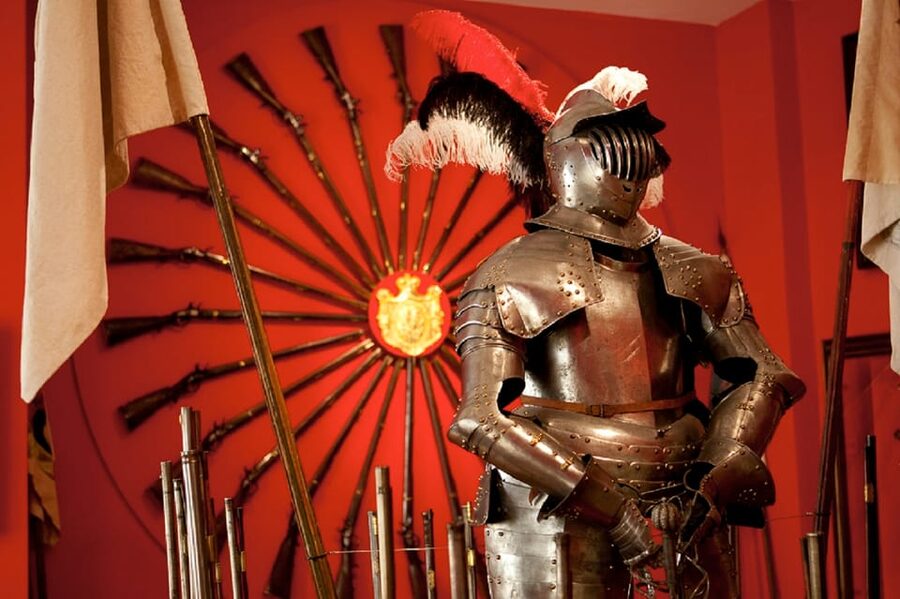
- 22 galleries of art and music, arranged around the Lobkowicz family story
- Famous paintings and rare manuscripts, including Beethoven and Mozart materials
- Audio guide in many languages, so you can actually enjoy the details
- Terrace café break inside the palace setting, useful for resetting your pace
- Optional 1 PM classical concert if you want the music side to finish strong
- Plan for earlier wrap-up times, based on past visitors’ timing experiences
Lobkowicz Palace in Prague Castle, without the full Castle slog
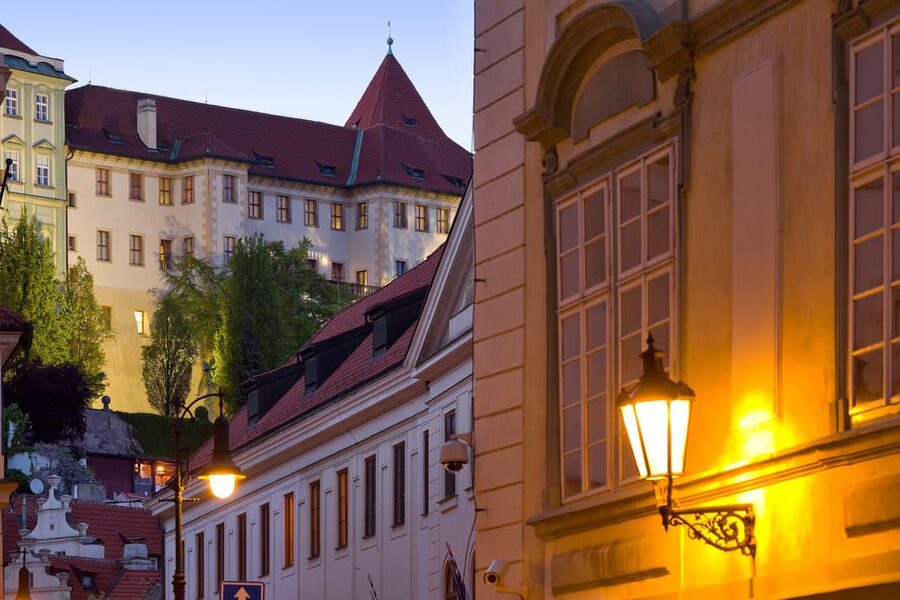
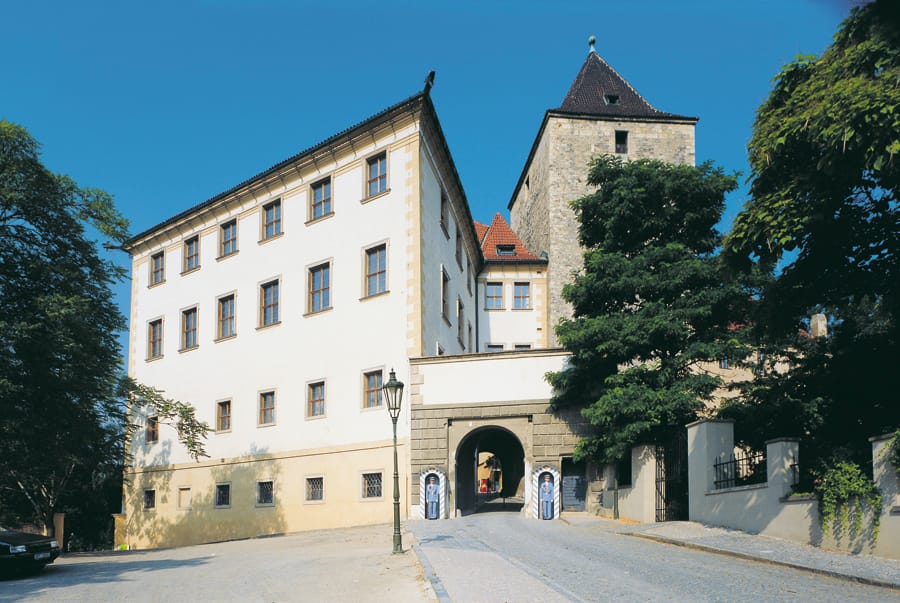
Lobkowicz Palace sits in the Prague Castle complex, but it feels like its own calm world once you are inside. The palace is at the far eastern end of the Castle area, and you can reach it on foot, by tram, or by metro, depending on where you are staying. The meeting point is Lobkowicz Palace, Jiřská 3, 119 00 Prague.
What makes this location worth it is how it breaks up your Castle day. Instead of trying to cram everything in one sweep, this palace gives you a focused ticket with a clear “theme” from start to finish: one family’s collections, presented as a living story. That focus is great if you want the Castle experience but do not want to bounce between unrelated stops all day.
More Prague city tours, river trips, and Czech day trips to compare
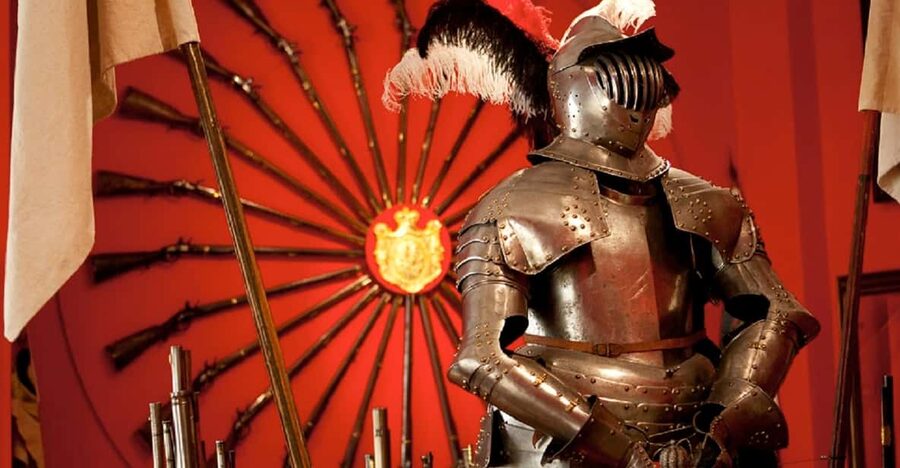
The 22-gallery route: art and objects arranged as a family narrative
You are stepping into the history of Europe through the Lobkowicz family collections. The audio guide is your best friend here, because it helps you connect what you are seeing to why it mattered to the family over time. You will move through 22 galleries, which is a lot of space for a single ticket, but it also prevents the visit from feeling shallow.
The collection spans the 16th through 20th centuries, so the “feel” shifts as you go. You’ll see family and royal portraits, porcelain ceramics, and decorative arts that show how taste and power traveled through generations. That mix is one of the most satisfying parts, because it is not just paintings on walls, it is an entire lifestyle translated into objects.
I also like that the story is not presented as a static label. The narrative is told by two generations of the Lobkowicz family and the chief curator of the collections, including the dramatic episodes when the family lost everything and got it back, twice. That human thread turns the museum from a list of masterpieces into a set of consequences you can follow.
Canaletto, Brueghel, Velázquez: famous names, real presence
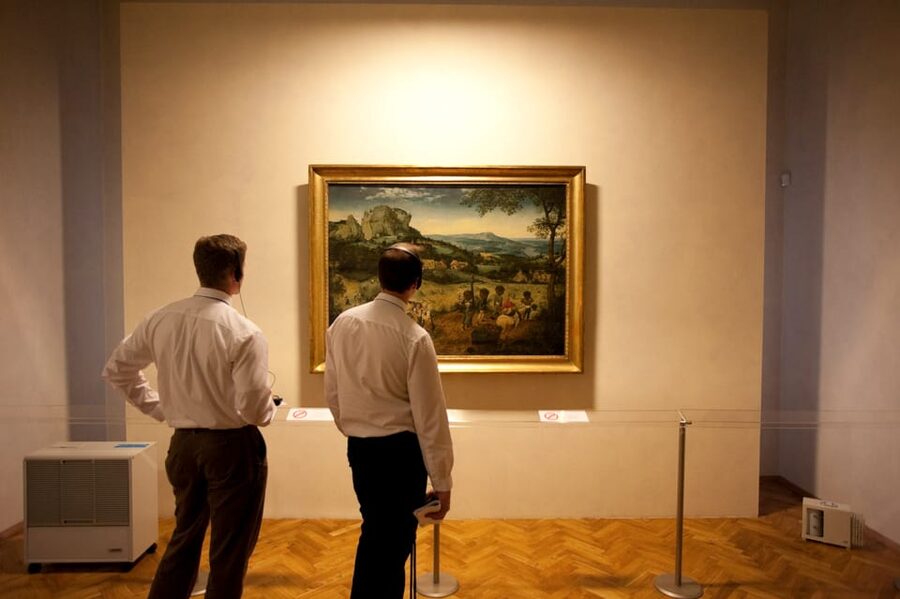
Some art museums feel like they are rushing you. Here, the audio guide pacing works well because it gives you permission to slow down without worrying about missing the next “must-see.” You will get masterpieces by Canaletto, Brueghel the Elder, and Velázquez, and the experience is strongest when you spend real time on fewer works rather than sprinting room to room.
Seeing these artists together matters, because it highlights how collections were built through taste, connections, and history. Canaletto’s style brings an architectural sense of place, Brueghel adds layered detail and symbolism, and Velázquez brings that courtly realism that can feel almost modern. When you understand that these works ended up here through the Lobkowicz story, the pieces feel more personal, not just famous.
If you like international “big names,” this is a good bet. You are not limited to local artists, and the collection is framed as a major private one, described as the largest and oldest private collection in Central Europe. For an art-focused visit, that framing is part of the value.
Royal portraits, porcelain, and decorative arts that explain daily life
One of the smartest choices in the palace layout is that it does not treat the decorative arts as filler. Family and royal portraits anchor the collection, then you get porcelain ceramics and rare decorative arts that show wealth in a different language than paintings. This is where the museum starts to feel like a home that happens to contain masterpieces.
I like this part because it helps you “read” what you are seeing. Portrait rooms tell you about identity and status, while ceramics and decorative objects help you understand how art sat inside everyday rituals. Even if you are not an expert, the audio guide helps you connect the dots without turning the visit into a lecture.
This section is also useful if you are visiting with someone who does not want a strict art history itinerary. You can still satisfy a serious art eye, but you also get plenty of visually interesting objects that feel tangible and close up.
Beethoven and Mozart manuscripts: original music documents, not just stories
The music section is where the palace becomes something extra. You will see instruments and music-related offerings, plus original scores and manuscripts associated with Beethoven and Mozart. This is not the usual “there is a quote about music” setup. You are looking at documents that connect directly to the composing process.
The names alone are impressive, but the details make it stick. The collection includes Beethoven’s 4th and 5th symphonies materials, and it also features Mozart’s re-orchestration of Handel’s Messiah. Those are specific enough that you can listen to them in your head while you look, even if your musical knowledge is casual.
If you like classical music, you will probably enjoy this more than you expect, because it slows the conversation down. Instead of hearing music, you are seeing how it was written and preserved. That changes your relationship to the pieces, even when you are not reading notation for a living.
You can also read our reviews of more guided tours in Prague


How the palace tells the Lobkowicz drama across time
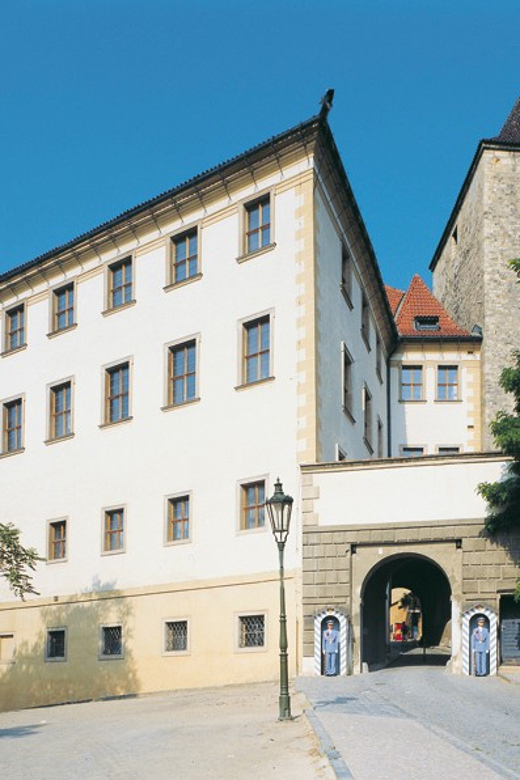
The museum’s biggest strength is that it does not treat the collection as museum-only. You get a layered family story, paced through the galleries, including commentary from two generations of the family plus the chief curator. That approach turns the palace into a guided timeline, even though you are using your own audio schedule.
The most dramatic element is the part about the family losing everything and then getting it back twice. That is the kind of story that makes objects feel heavier, like they survived more than one era and more than one upheaval. It also makes it easier to understand why certain works and objects ended up where they did.
You also get a sense of how collections were assembled and reassembled. Even without deep background knowledge, you can follow the logic of the display: art and music stored, protected, and then reintroduced to the public story. It is storytelling by arrangement, and it works well.
Terrace café pacing: how to make time feel comfortable
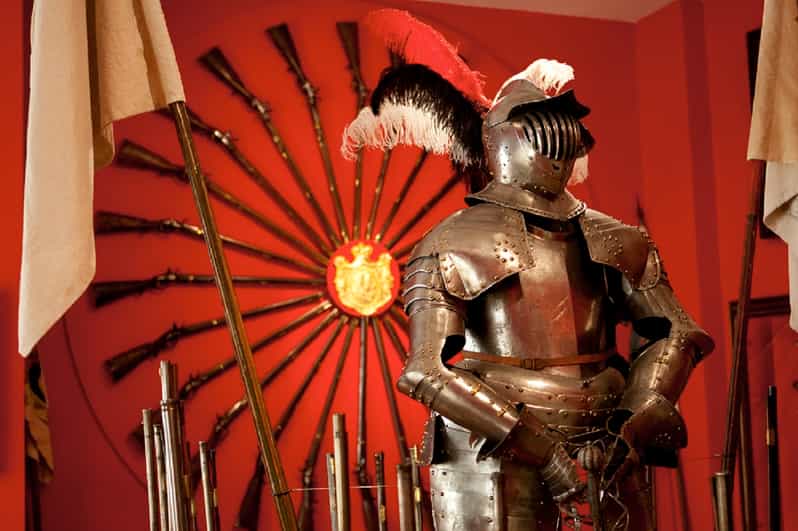
Plan at least one pause, because a 22-gallery visit adds up. The palace has a terrace café, and it is a smart place to take a breather without leaving the complex. When you are walking through rooms that reward attention, a short break can prevent museum fatigue.
I suggest using the café moment strategically. If you stop when you still feel curious, you come back ready to notice small details you might have missed earlier. If you wait too long, you can end up rushing the later galleries simply because your energy is gone.
This is also where you can reset your pace if you are moving through the museum with the audio guide. You do not need to hit every moment perfectly, you just need to keep the visit feeling enjoyable, not exhausting.
Price and timing: what $17 really buys, and why closing time matters
At about $17 per person, the value is generally strong because you get entrance to the palace plus an included audio guide. The experience is not just “walk in, look at a few rooms.” You are getting a full guided narrative through 22 galleries, and that kind of structure usually costs more at larger institutions.
But your planning matters because the visit can require a real time block. Some past visitors found the wrap-up time earlier than expected, for example being asked to leave around 17:00 even when they thought it would run later. I would treat that as a timing cue, not a surprise. Check your day’s opening hours before you commit your schedule, and do not plan this as a late afternoon add-on.
Also note what you are not paying for. The Prague Castle entrance ticket is not included, so your day might still require that separate access depending on how you plan to reach the palace area. If you already have Castle access sorted, great. If not, you will want to time your museum visit around that.
The 1 PM concert upgrade: when music should be the finale
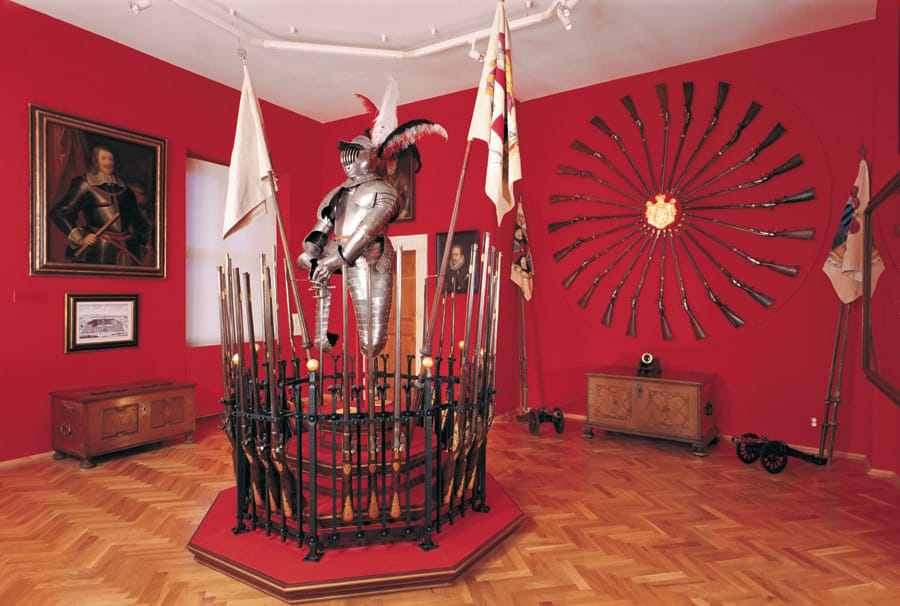
There is an optional upgrade that adds entrance to a classical music concert. It starts at 1 PM daily, so this can shape your whole day around that fixed time. If you love classical music, this is the easiest way to let the palace’s music collection feel connected, not separate.
The main benefit of the upgrade is emotional closure. You see Beethoven and Mozart-related manuscripts and music instruments, then you have a live moment to carry the theme forward. That pairing can make the whole visit feel more memorable, especially if the music section is the part you are most excited about.
If you are not a concert person, you can skip the upgrade and still enjoy the museum fully. The audio guide already covers the music documents in a structured way, and the terrace café gives you an easy ending point.
Practical details that affect your comfort
Audio guide is included, and you can choose from Spanish, Czech, English, French, German, Italian, Japanese, Russian, Ukrainian, Korean, and Chinese. That language range is a big deal because the palace story depends on context, not just visuals.
The palace is wheelchair accessible, but the experience is also listed as not suitable for people with mobility impairments. I would treat that seriously. If mobility is a concern for you, plan carefully and consider whether your comfort needs match what you can handle in a palace setting.
A few practical rules can also shape your visit. Pets are not allowed, smoking is not allowed, and luggage or large bags are not allowed. If you are traveling with a bigger bag, plan to store it before you head into the palace area.
Who this palace ticket suits best
This is a great fit if you enjoy a museum where the story leads your eyes. The audio guide format works well when you like context, and the mix of art, portraits, ceramics, and music manuscripts makes it harder to get bored. It is also a strong choice if you want famous names like Canaletto, Brueghel, and Velázquez without doing a full multi-museum marathon.
I also think it suits people who like art and music crossover. Many places force you to choose one focus, but here you can move from painting rooms to Beethoven and Mozart documents in the same ticket. Even if you are less confident with classical music, the presence of original manuscripts can make the experience click.
Where it might not fit: if you want a quick stop, or if you expect a huge museum with constant room changes and no emotional pacing. This palace is best when you are willing to slow down and follow the guided narrative.
Should you book Lobkowicz Palace Ticket & Audio Guide?
If your priority is a focused museum day with strong storytelling, I think you should book it. For the price around $17, you get entry to a palace full of 22 galleries, an included audio guide in many languages, and a rare music component with Beethoven and Mozart manuscripts. Add the terrace café and you have a complete, human-paced visit.
Book it with one timing mindset: plan to be done earlier rather than later, and check the day’s hours before you build the rest of your schedule. If you already have Prague Castle access sorted, the day flows more smoothly. If you are concert-curious, consider the 1 PM upgrade so the music theme ends with something you can hear live.
FAQ
What is included with the Lobkowicz Palace ticket?
The ticket includes entrance to Lobkowicz Palace and an audio guide. If you choose the upgrade, it also includes entrance to a classical music concert.
How long is the experience valid?
The ticket is listed as valid for 1 day. You can check availability to see starting times.
Do I need a separate Prague Castle entrance ticket?
Yes. Entrance ticket to Prague Castle is not included.
What languages are available for the audio guide?
The audio guide is available in Spanish, Czech, English, French, German, Italian, Japanese, Russian, Ukrainian, Korean, and Chinese.
What artworks and music materials can I expect to see?
You can see works by Canaletto, Brueghel the Elder, and Velázquez, plus music-related offerings including original scores and manuscripts connected to Beethoven and Mozart, along with instruments.
Is there an option to include a classical concert?
Yes. You can upgrade to include entrance to a classical music concert, starting at 1 PM daily.
Where is the meeting point?
The meeting point is Lobkowicz Palace, Jiřská 3, 119 00 Prague, at the far eastern end of the Prague Castle complex.
What items are not allowed inside?
Pets, smoking, and luggage or large bags are not allowed.
Is it wheelchair accessible?
Wheelchair accessible is listed. At the same time, the experience is also listed as not suitable for people with mobility impairments.
Can I cancel for a refund and pay later?
Free cancellation is available up to 24 hours in advance for a full refund. Reserve now & pay later is also offered, so you can book without paying today.
More Guided Tours in Prague
More Tickets in Prague

More Tour Reviews in Prague


Not for you? Here's more nearby things to do in Prague we have reviewed






Prague Castle Tours, compared.
 ★ 4.7Prague Castle 2.5-Hour Tour Including Admission TicketFrom $578,927 reviews
 ★ 4.73-Hour Walking Tour of Old Town & Prague CastleFrom $305,696 reviews
 ★ 4.83-Hour Old Town and Prague Castle Tour in GermanFrom $365,671 reviews
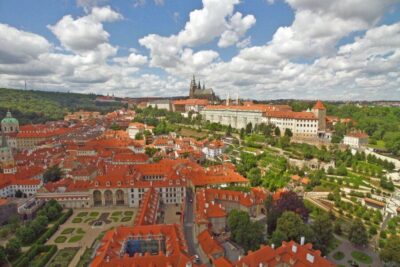 ★ 4.4Prague Castle and Lobkowicz Palace Entry TicketsFrom $385,066 reviews
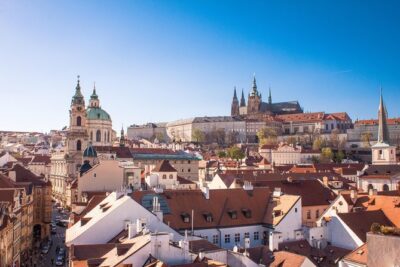 ★ 5.0Prague 3-hour Afternoon Walking Tour including Prague CastleFrom $531,899 reviews
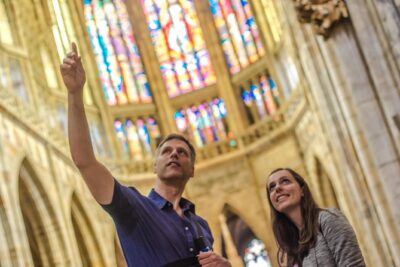 ★ 4.5Prague Castle Tour Including Admission Ticket – 2.5 HourFrom $591,171 reviews
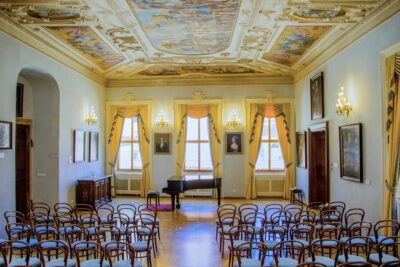 ★ 4.6Prague Castle: Midday Classical Concert at Lobkowicz PalaceFrom $281,106 reviews
 ★ 4.0Full-Day Prague Tour with Prague Castle, Lunch and Vltava CruiseFrom $75921 reviews
Browse the lists this tour appears in