
REVIEW · PRAGUE CLASSICAL CONCERTS & SHOWS
Prague: Classical Music Concert at Rudolfinum
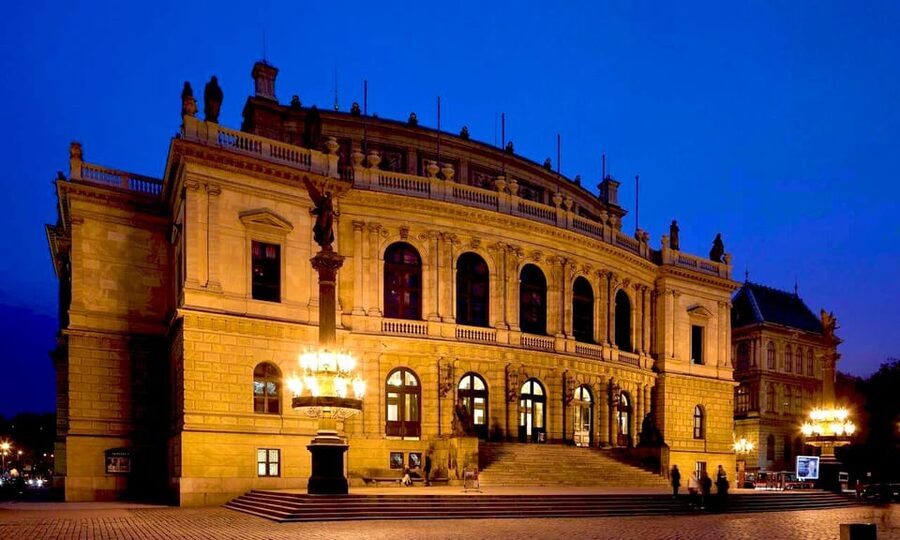
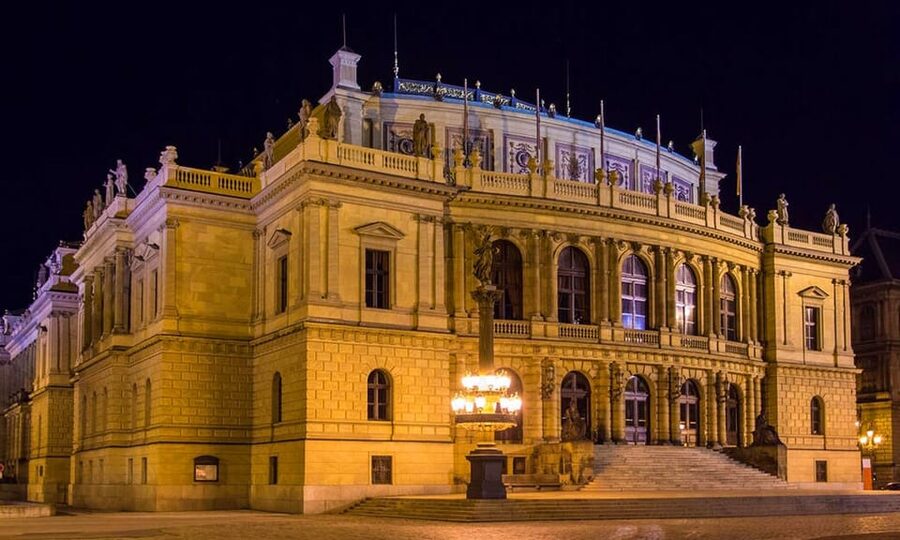
Rudolfinum turns famous melodies into close-up sound. This Prague concert brings together big-name classical hits like Vivaldi and Beethoven in the iconic setting of the Rudolfinum building. It is a short show, but packed with recognizability, from The Four Seasons to Smetana’s Vltava.
I love how intimate the experience feels in the Suk Hall, named for Czech composer Josef Suk. I also like that the program is anchored by top Czech performers, including mezzo-soprano Stanislava Jirku and a violin solo by Vlastimil Kobrle.
One thing to consider: soloists can change in September and October 2024, so if you care about a specific performer, check the date before you buy.
Key Highlights You Should Know
- Suk Hall intimacy: the venue keeps the sound direct and the atmosphere focused.
- Star Czech soloists: Stanislava Jirku headlines, with a violin solo by a Czech Radio Symphony concertmaster.
- A hit-packed program: Vivaldi, Mozart, Bizet, Ravel, Beethoven, and Smetana all show up.
- Famous set pieces, not deep cuts: you get audience-friendly classics like Bolero and Carmen’s Habanera.
- Date-specific soloists in Sept/Oct 2024: check your performance date for who is on stage.
Entering Rudolfinum and Getting Ready for the Concert
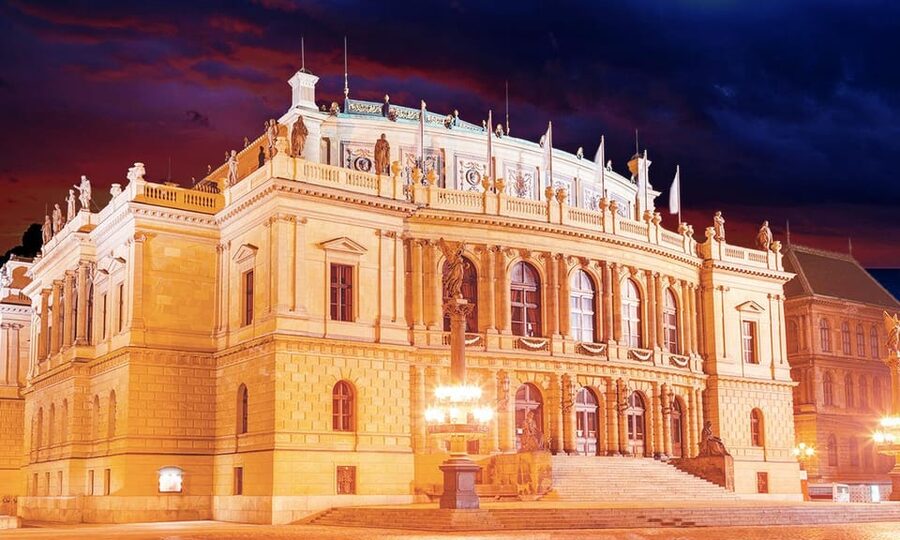
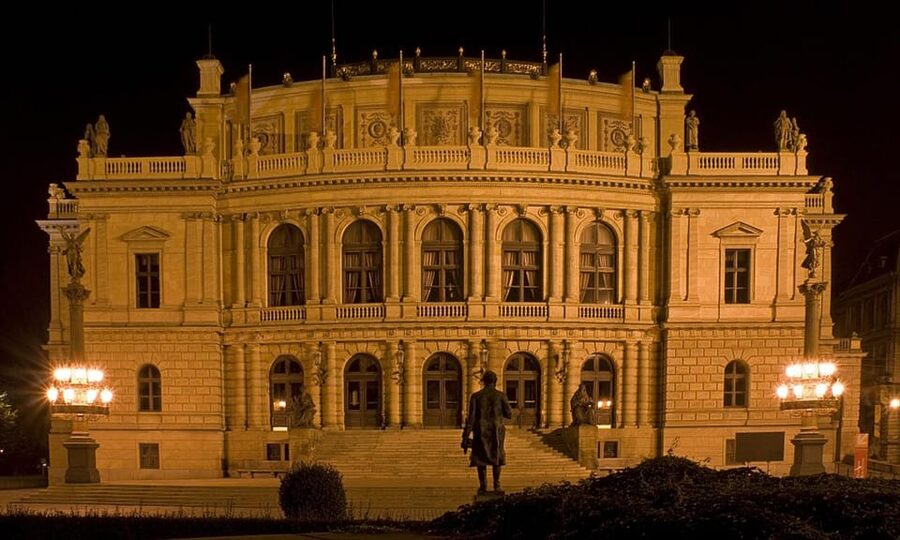
Rudolfinum is one of Prague’s most famous concert venues, and even before the music starts, the building sets expectations. The experience you’re buying is a ticket for entry plus a printed concert program, and it runs about 65 minutes. That timing matters: you will get a full musical evening without burning half a day planning around it.
Plan to arrive with enough buffer to get comfortable before the first piece. The venue guidance is clear: use the entrance on the left side of the building. Once the concert is over, the experience ends back at the meeting point, so you are not stuck coordinating a transfer or finding your way out through someone else’s schedule.
If you like concerts where you can actually follow what is happening, this format is a strong fit. The program includes both baroque and romantic-era favorites, plus well-known orchestral themes that many people have heard before, even if they cannot name the composer.
Practical vibe check: this is a classical concert, not a casual sing-along. Dress can be comfortable, but think neat. You will feel more at ease if you arrive looking like you mean to sit and listen.
More Prague city tours, river trips, and Czech day trips to compare

The 65-Minute Program: What You’ll Hear, and Why It Lands
This concert is essentially a greatest-hits walk through European classical music, arranged to keep momentum. The set list is listed in the order below, and that order is part of the fun because it moves between styles while still staying accessible.
Here is the program, piece by piece, and what it usually feels like when you hear it live:
Vivaldi: The Four Seasons (Spring and Summer)
Vivaldi’s Four Seasons is one of those works that sounds instantly recognizable, even when you have not studied it. In a live setting, you get more nuance in the phrasing and rhythm than you usually catch through recordings. Spring and Summer bring brightness and energy, which is a smart opener. You start with music that feels like it is already in motion.
Handel: Largo from Xerxes
Then the mood shifts. Handel’s Largo is slower, singing, and emotional, like the orchestra is holding a candle up to the room. This section is a nice reset after the rhythmic lift of Vivaldi. If you want to understand how an orchestra can make quiet feel dramatic, this is where you notice it.
Pachelbel: Canon and Gigue
Pachelbel’s Canon is famous for a reason: it is structured, steady, and soothing. Hearing it in a concert hall helps you notice the balance between repetition and variation, and the gigue adds a more rhythmic, playful finish.




Mozart: Salzburg Symphony K 136 (Allegro)
Mozart’s fast movement brings clarity. When you hear it live, the transitions feel clean and the energy builds naturally rather than mechanically. This is the kind of piece that makes you listen for articulation, not just melody.
Bizet: Carmen, Habanera
This is the “people know this sound” moment for many listeners. The Habanera has swagger, and Bizet writes it so the orchestra supports the vocal line without overpowering it. With a mezzo-soprano on stage, the tone usually lands with confidence and warmth.
Ravel: Bolero
Bolero is famous for its growing intensity. In a live hall, that repetition can feel surprisingly suspenseful, because you hear how the balance changes over time. Even if you know the melody, the live version often feels like watching tension build step by step.
Beethoven: Symphony No. 5 (Allegro)
Beethoven’s Fifth is a classic shorthand for bold drama. The Allegro movement is where many listeners lock in because the rhythmic drive is unmistakable. Live, you tend to feel the punch of the ensemble playing together, not just hear it.
Smetana: Vltava
The evening ends on a national-color note. Vltava is long-form storytelling for orchestra, and even in a shorter concert format, it carries the sense of a landscape being painted in sound. It is a fitting closer for a show that started with spring-like energy and ended with movement and atmosphere.
Because the concert runs about an hour, the goal is not deep academic study. It is giving you a satisfying, chronological sweep of styles: baroque structure, classical clarity, romantic intensity, and Czech orchestral identity. If you want something you can understand quickly and still enjoy deeply, this program design works.
The Soloists: The Voices and Violin That Anchor the Evening
A concert like this lives or dies with its featured performers, and this ticket puts you in front of strong names from the Czech scene.
Mezzo-soprano Stanislava Jirku (usually the vocal highlight)
Stanislava Jirku is described as a soloist from the Czech National Theatre and one of the country’s acclaimed mezzo-sopranos. She has performed globally, including with the BBC Symphony Orchestra and with the Czech Philharmonic and Prague Philharmonic Orchestra. That track record matters because it usually means reliable technique and musical instincts, especially for opera-adjacent orchestral pieces like Bizet’s Carmen Habanera.
Violin solo by Vlastimil Kobrle
The violin solo is by Vlastimil Kobrle, noted here as a major Czech violinist and the concertmaster of the Symphony Orchestra of Czech Radio. Concertmasters often shape the sound of an entire orchestra, so having him as a soloist is a big deal for musical leadership and polish. In a concert that is otherwise orchestral, a violin spotlight is the moment where you tend to focus more closely on phrasing.
Soloist changes in Sept and Oct 2024: check your date
One of the most important practical details for this experience is that soloists can change for September and October 2024. For example:
- Sep 19 and Sep 20: Petr Zdvihal is listed on violin, and Stanislava Jirků is listed on mezzo-soprano.
- Sep 22: Petr Zdvihal is listed on violin, with Veronika Hajnová on mezzo-soprano.
- October: Petr Zdvihal is listed on violin.
So if your “must see” is a specific voice, do not buy based only on the general show page. Match your travel dates to the listed soloists.
How Rudolfinum and the Suk Hall Affect the Sound
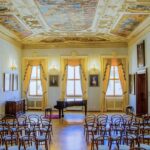
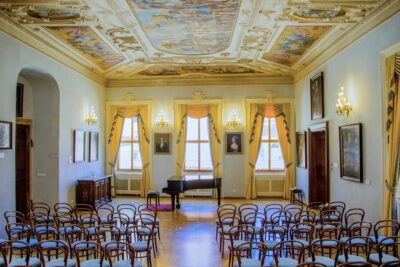
Rudolfinum is iconic, and the experience here is specifically tied to the Suk Hall. That matters because hall design affects everything you feel while listening: clarity, balance, and how close the music seems.
Because the hall is described as intimate, you should expect a more immediate connection than in massive, arena-like spaces. You also get a built-in cultural frame since Suk Hall is named after Josef Suk. If you enjoy the sense that you are stepping into a venue with musical tradition, this one delivers without making you do any homework first.
What does that mean for you in real terms?
- When a singer enters, you are more likely to catch textural details in the orchestral backing.
- When fast strings and woodwinds take off, you get a cleaner sense of rhythm and articulation.
- When a piece is slow, like Handel’s Largo, you are less likely to feel like the sound is drifting away.
In other words, the venue supports the “listen closely” side of classical music without demanding you be a trained critic.
Ticket Value: Is This Worth Around $39?
At about $39 per person, you are paying for a 65-minute concert in a major Prague venue, with entry and a printed program included. The value comes from three places.
First, you get a concentrated dose of famous orchestral repertoire. This matters if you are sightseeing in Prague and want an evening activity that is easy to understand. You do not need a course or a guide to enjoy the music, because the program is built from big recognizable anchors like Bolero, Beethoven’s Fifth, and Vltava.
Second, you get top Czech performers. The mezzo-soprano listing includes major international work, and the violin solo performer is identified as a concertmaster role. That suggests you are not just attending a generic concert, you are seeing musicians with real authority.
Third, you get a comfortable time window. Sixty-five minutes is long enough to feel like a complete experience, short enough that you can still enjoy Prague afterward.
If you are budgeting, I would frame it like this: you are buying an hour-plus of live classical music in a landmark hall. For many visitors, that is a better use of money than a long guided tour where you are mostly standing and listening to facts, not feeling the art.
Who This Prague Classical Concert Fits Best
This ticket is a good match if you want:
- Famous classics in a focused concert setting, not a long multi-part program.
- A straightforward evening plan in central Prague, with a single venue and a clear start and end point.
- A chance to hear Czech-level performers in a hall designed for concerts, not borrowed spaces.
It is also a nice option if you are not a “hardcore” classical fan. The selections are popular for a reason, and the pacing keeps you from feeling lost.
Two practical notes from the rules:
- Unaccompanied minors are not allowed, so if you are traveling with kids, you will need to plan with that in mind.
- Wheelchair accessibility is listed, so the venue can accommodate mobility needs.
If you want a deeper academic experience, you might prefer something more specialized. But if your goal is a high-quality night of listening, this is exactly the kind of ticket that makes Prague feel culturally alive.
My Booking Advice: How to Decide Quickly
If you like orchestral classics and you want a safe, enjoyable evening plan, I think this is an easy yes. The lineup is strong, the venue is major, and the concert length means you can still enjoy the rest of your Prague evening.
Before you hit confirm, do two checks:
- Verify your date against the listed soloists in September and October 2024. If a specific singer or violinist matters to you, this is the detail that can change the feel of the night.
- Confirm the start time that fits your schedule, since the concert duration is listed as 65 minutes but starting times can vary.
Also, remember the entry instruction. Use the entrance on the left side of the building, and you will save yourself some last-minute wandering.
Should You Book This Rudolfinum Concert?
Book it if you want an hour-plus of live music featuring some of the most recognizable classical works, performed in an intimate Prague hall by Czech professionals like Stanislava Jirku and a major violin soloist. The program is built for easy listening, and the venue supports that focus.
Skip or reconsider if you are picky about which specific soloists appear on your dates, because September and October 2024 have documented changes. If you match your travel day to the lineup you want, you will be in for a satisfying, classic Prague night.
FAQ
How long is the concert at Rudolfinum?
The concert duration is 65 minutes.
What is the price per person?
The price is listed as $39 per person.
Where should I enter Rudolfinum?
Use the entrance on the left side of the building.
Does the ticket include a printed program?
Yes, a printed concert program is included.
Is the concert venue wheelchair accessible?
Yes, the activity is listed as wheelchair accessible.
Can I reserve now and pay later?
Yes, there is a reserve now and pay later option.
Are unaccompanied minors allowed?
No, unaccompanied minors are not allowed.
More Concerts & Music in Prague


More Tour Reviews in Prague
Not for you? Here's more nearby things to do in Prague we have reviewed







Prague Classical Concerts & Shows, compared.
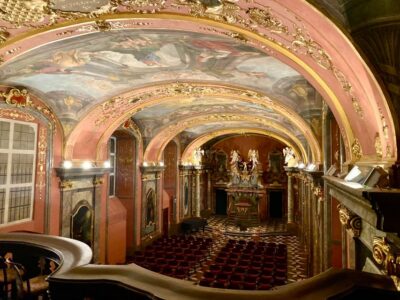 ★ 4.7Entry Ticket Classical Concert at the Mirror ChapelFrom $344,636 reviews
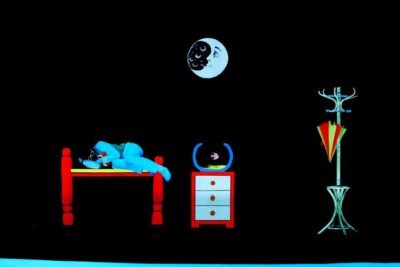 ★ 4.0WOW Show Black Light TheaterFrom $313,990 reviews
 ★ 4.5Concert at Reduta Jazz ClubFrom $232,170 reviews
 ★ 4.4A. Vivaldi Four Seasons at St. Salvator ChurchFrom $341,951 reviews
 ★ 4.6Jazz Boat Cruise with Live Concert and Optional MealFrom $511,682 reviews
 ★ 4.01.5-Hour Black Light Theater Srnec PerformanceFrom $311,589 reviews
 ★ 4.8Mozart Ballroom Concert Ticket with 3-Course DinnerFrom $1221,200 reviews
 ★ 4.6Prague Castle: Midday Classical Concert at Lobkowicz PalaceFrom $281,106 reviews
Browse the lists this tour appears in