
REVIEW · 3-HOUR EXPERIENCES
Prague 3-Hour Architectural Tour
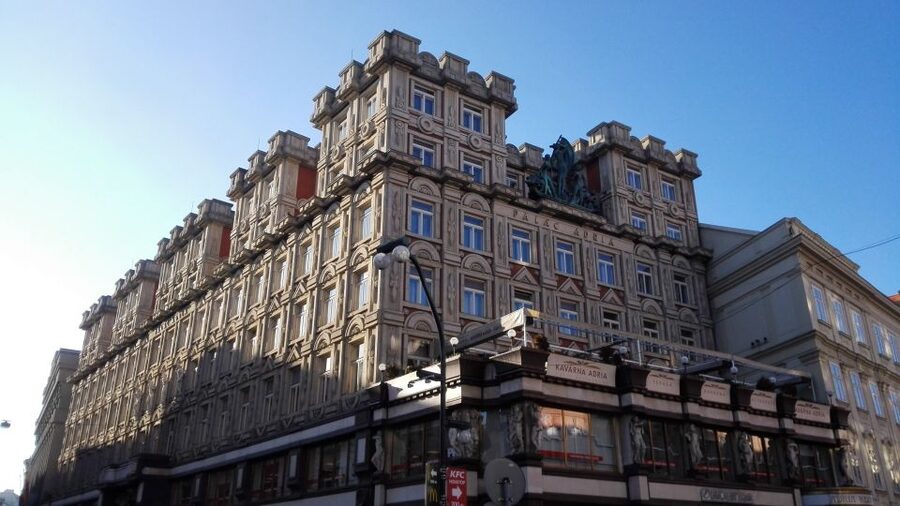
Prague architecture can feel like a quiz. This private architectural tour makes it practical, not academic, with guided stops where you learn to recognize Gothic, Renaissance, Baroque, Cubism, and Art Nouveau on the street. My favorite part is how much you can ask, but the one thing to consider is that it runs in all weather and you will be walking in the center.
You start with hotel or central pickup and then move through the areas that show Prague at full stretch: Old Town, Josefov, then on to the New Town. The tour is also multilingual (English, French, German, Italian), wheelchair accessible, and built for small, private pacing. If you want a guide who will slow down when conditions are bad, this one has a track record, including adapting plans when rain made footing less fun.
Key Points You Will Care About
- Private, small-group format: you can ask questions and steer the conversation to what you actually want to see
- Architecture recognition, not just names: you learn what to look for in multiple styles across the city center
- Old Town to New Town routing: you connect medieval streets to later design changes without feeling rushed
- Charles Bridge time built in: enough focus to notice details beyond just taking photos
- Guide flexibility in real weather: when the day turns grey, pacing can adjust, including time for a break
- Multilingual guide options: English, French, German, Italian
Why This Prague Architecture Walk Works So Well
Prague is one of Europe’s best cities for architecture, but trying to figure out styles on your own can turn into a stress spiral. This 3-hour private tour is built to stop that. Instead of handing you a list of buildings and moving on, the guide shows you how to tell the styles apart, then sends you to the streets where those styles actually show up.
The biggest value here is the combination of recognition practice and private questions. You are not stuck watching quietly while a group keeps marching. If you wonder why a façade looks a certain way, or why a building feels older (or newer) than it looks, you can ask and get a real explanation. I also like that the tour includes both the “headline” spots and side-street moments, so you do not spend the whole time only chasing famous views.
The main drawback is simple: it runs in all weather conditions. If you show up expecting sunshine and comfortable walking, you might have to adjust your attitude. The upside is that the tour has a history of handling unpleasant weather with patience and practical breaks.
More Prague city tours, river trips, and Czech day trips to compare


The 3-Hour Structure, From Pickup to City Center Drop-Off
This tour is short by design. Three hours is enough time to cover a compact route in the center, learn a few repeatable architectural clues, and still leave you with energy to continue on your own afterward.
You start with pickup in central Prague. The experience lists Kaprova 1 as a pickup location, and it also notes hotel reception pickup where the guide holds a sign with your name. In practice, you should treat this as a meet-at-point situation: confirm your exact pickup plan with the supplier before you head out, especially if your hotel is near but not directly on the route.
From there, the rhythm looks like this:
- Old Town (about 1 hour), guided
- Charles Bridge (about 30 minutes), visit
- Josefov (about 30 minutes), guided
- New Town (about 1 hour), guided
- You finish back in the city center
Even with the walking, this pacing helps you compare styles without waiting all day. You get patterns, then you get proof of those patterns in real buildings.
Old Town Prague: Where You Learn to Spot Styles Fast
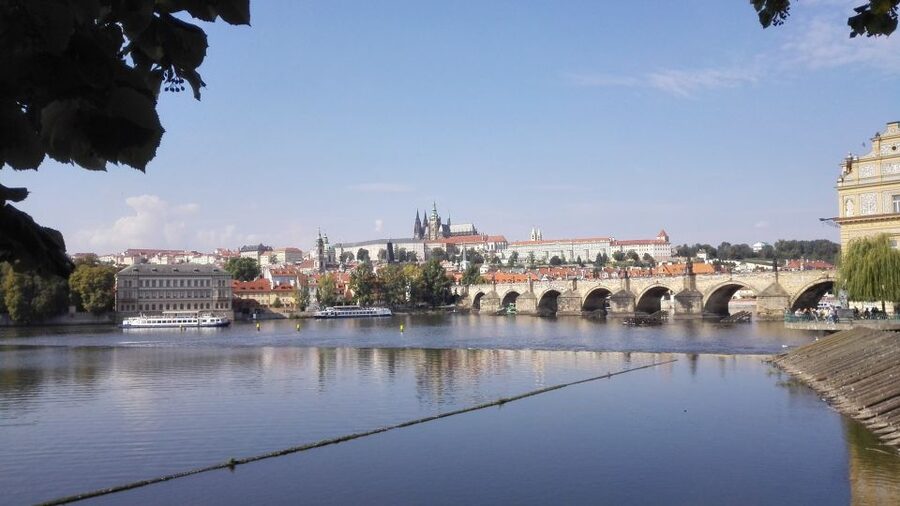
Old Town is where Prague’s architecture starts doing the most talking. Your guided hour here is the foundation for the rest of the tour. This is the segment where the guide helps you move from “pretty building” to “this is what defines it.”
You will see examples that range across major styles, including:
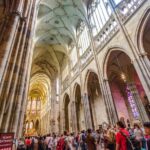
- Gothic elements you can recognize by form and detail
- Renaissance characteristics that shift the feel from medieval to more orderly
- Baroque features that often bring drama and motion to façades
- Clues that help you connect what you see now to how the city developed over time
What I like about starting here is that it gives you a reference point. When you later reach areas with different design languages, you will understand the contrast better. It also keeps the tour from turning into a random photo walk. You will have a method by the time the route reaches Charles Bridge.
A useful mindset: focus on repeatable details. Even if you cannot identify a style instantly, you can often spot the direction the design takes. That is exactly the kind of “recognize it” goal this tour is built around.
Charles Bridge: Famous Views With Extra Meaning
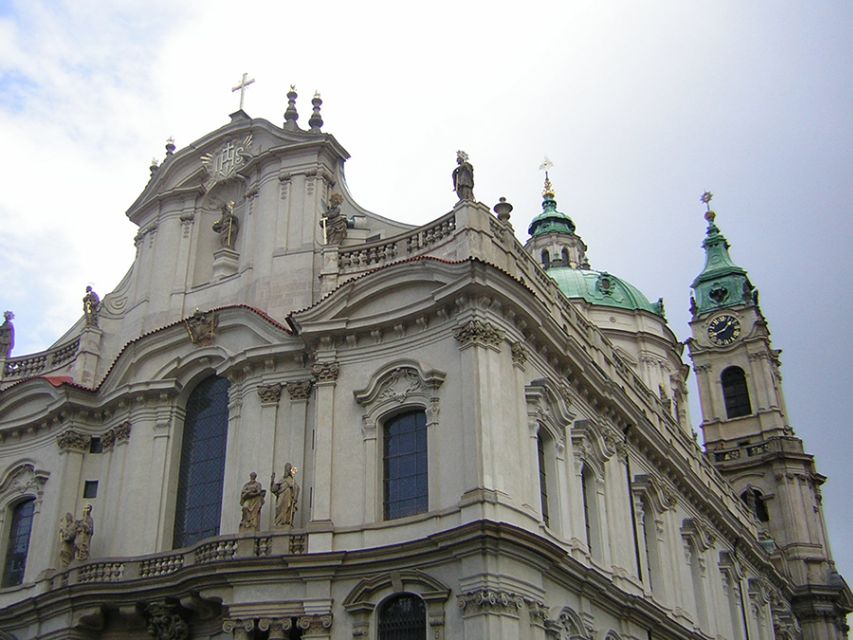
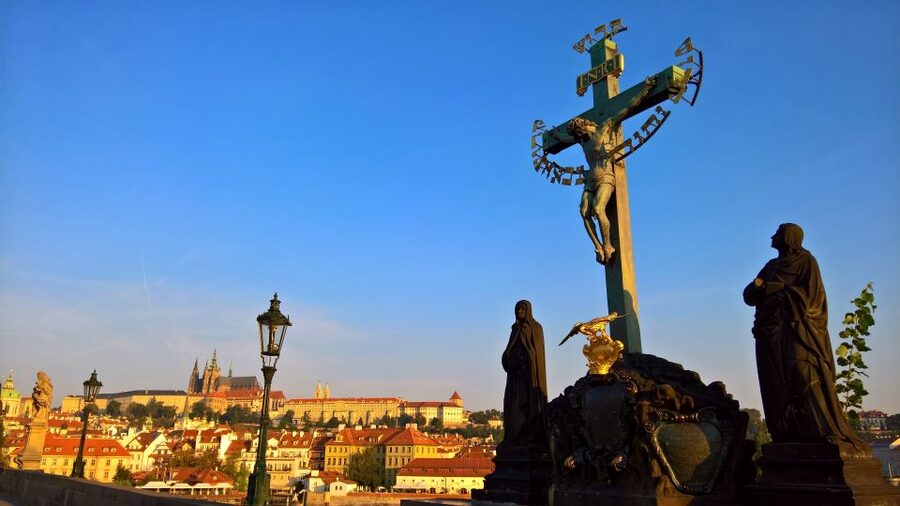
Charles Bridge is the part most people think they already know. The trick is that this tour gives you time to look at it with architecture in mind, not just postcard framing.
You get around 30 minutes here. That is enough to:
- Cross while watching how the urban setting shapes how the buildings read
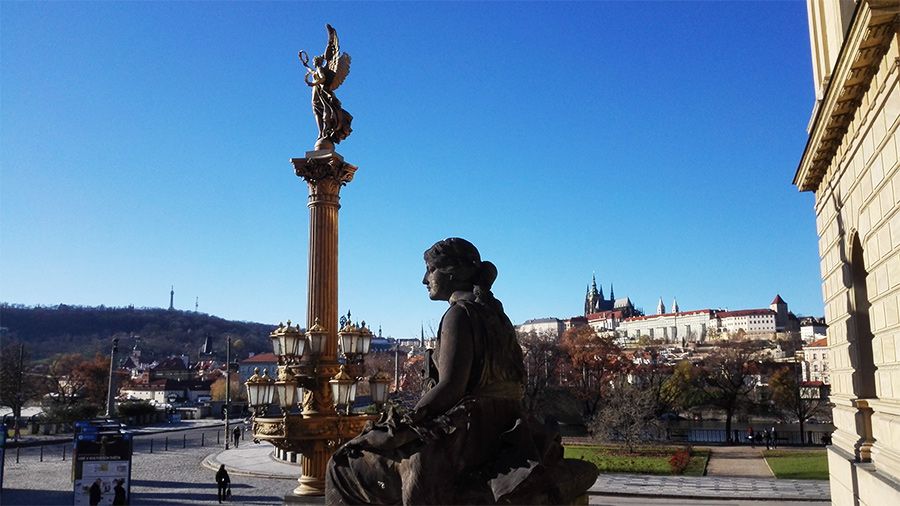
- Pause and notice how the bridge acts like a visual spine for the Old Town side
- Notice the way different structures compete and cooperate in a single view
If you are the type who likes to stop mid-walk to study details, this segment is a good match. If you want only the biggest shots, you can still keep it efficient. Either way, this time slot helps you avoid the most common Prague mistake: treating the bridge as a single quick moment instead of a link between districts.
One detail you might appreciate if it happens on your day: at least one guest reported getting an opportunity to ride a tram during the tour. The itinerary does not guarantee it in the written plan, but it signals that the guide may add practical transportation moments when they fit the flow.
Josefov: Short Stop, High Payoff for Architecture Fans
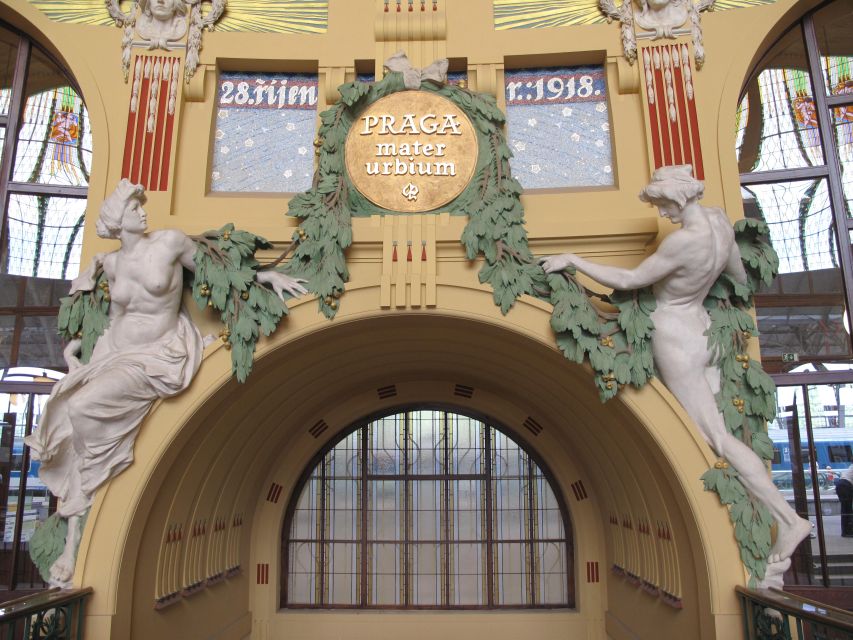
Josefov is where the tour tightens your focus. You get about 30 minutes guided, which might sound brief, but it is the right length for a concentrated style lesson without burning your whole afternoon.
This stop matters because it helps connect the dots between different eras and city planning choices. It is not just about seeing buildings. It is about understanding how distinct parts of Prague share space, and how the streets around you change the feel of what you see.
If you like architectural contrast, Josefov is a strong “pause and reset” moment between Charles Bridge and the New Town segment. You can also use this stop to ask the guide targeted questions, like what makes one block feel more medieval compared with a nearby area.



New Town Prague: Bringing in Art Nouveau and Beyond
New Town is where the tour can shift from “old and medieval” into later movements, including the styles that many people struggle to spot without guidance. You get about 1 hour guided here, which is plenty of time to practice recognition.
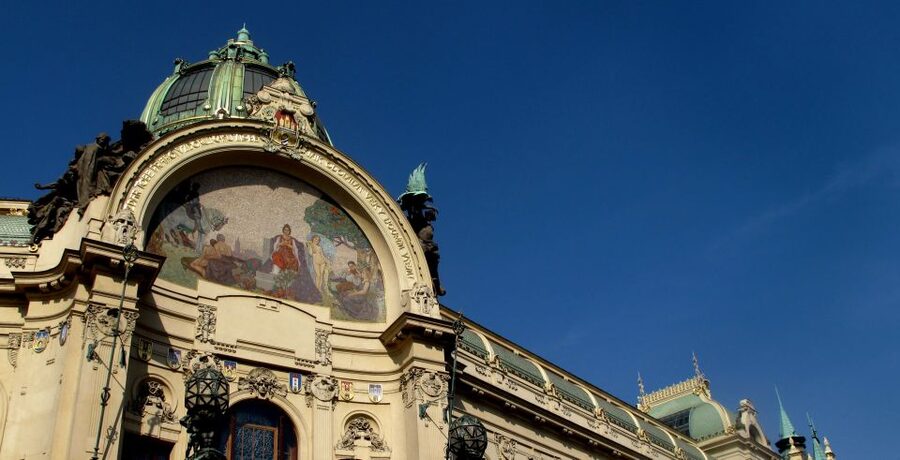
This is where Cubism and Art Nouveau come into focus as real, visible ideas rather than vague labels. Prague is famous for these movements, but casual walking often leaves them lost in plain sight. On this tour, you learn what to look for so you can see why these styles feel different even when you are still in the same central city blocks.
The New Town segment also helps you understand that architecture is not frozen. Prague adopted new design languages while still carrying older layers. Seeing those shifts close together is one of the reasons this tour is worth the money versus DIY map wandering.
What You Learn About Gothic, Renaissance, Baroque, Cubism, and Art Nouveau
This tour’s promise is not just to show you buildings, it is to teach you how to recognize styles. Here is what that tends to mean in real street-level terms:
- Gothic: you often start noticing sharper vertical energy and structural drama in how façades are composed
- Renaissance: you look for more balanced, orderly design cues that change how the building feels
- Baroque: you spot theatrical detail, motion-like composition, and richer surface presence
- Cubism: you learn how angular, fragmented geometry can show up in façade rhythm and window patterns
- Art Nouveau: you identify decorative flow, curving lines, and distinctive ornamental language
Even if you do not memorize every rule, you will leave with a set of visual instincts. That means you can keep using the same skill after the tour, when you spot a building and think, I know what kind of style this is.
Guides and Pace: What Makes the Experience Feel High-End
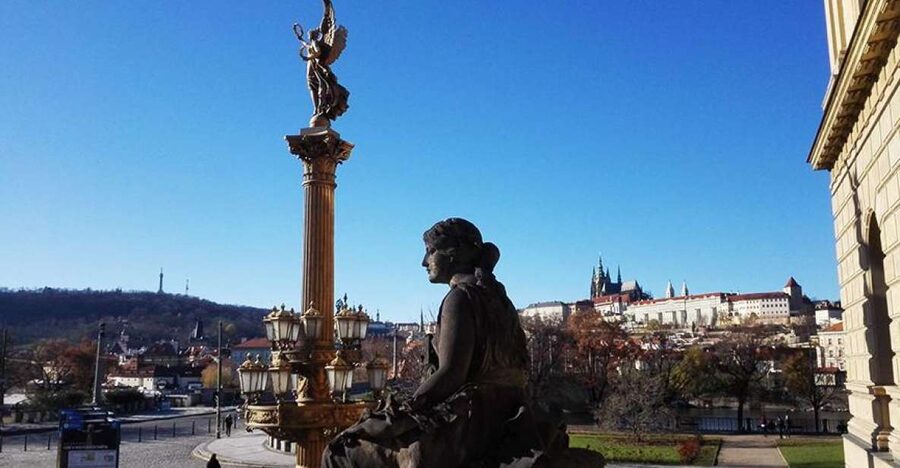
This is a private format, so quality depends heavily on the guide. The reviews point to guides who explain clearly and adjust to the day.
One example name that comes through is Eva, who is described as knowing her subject well and accommodating needs when guests preferred less walking. That matters because Prague can be deceptively tiring. If rain hits or you are pacing slower due to comfort, a flexible guide can make the difference between a fun architecture lesson and a grumpy march.
There is also mention of the guide keeping things comfortable even when the weather turned rough, including finding a nice coffee pause without derailing the overall plan. That is the kind of practical care that makes short tours feel worth it.
Value and Price: Is $229 for Two Worth It?
The price is listed as $229 per group up to 2, with a 3-hour duration. On the surface, that sounds high for a city walk. In value terms, it becomes more reasonable when you compare it to:
- Paying per person for a standard group architecture tour
- Spending money on taxis or transportation time to chase distant sites
- Losing the benefit of a guide who can tailor explanations and stop to answer questions
A private tour also gives you something money cannot buy later: time saved. You get guided context while you walk, which is far more efficient than trying to research every style in the moment.
If you are traveling as a couple or with a small group and you want architecture learning with real flexibility, this price can feel fair. If you are traveling solo and only want the broadest highlights, you might compare against less expensive options. But if your goal is to understand Prague’s buildings like a local, private is a smart way to spend limited vacation hours.
Practical Tips Before You Go
This is a walking tour through central Prague. The guide can adjust pace, but you should still plan like a walker.
A few practical pointers:
- Wear shoes that handle wet pavement, since the tour happens in all weather conditions
- Bring a light rain layer just in case, even if the morning looks fine
- If you want fewer steps, say so at the start so the guide can shape the route
- Keep your questions ready. If you care about one style more than the others, tell the guide early
Also, because it is a short format, I suggest you mentally decide what you want most: recognition skills across styles, or a slower experience with extra stops and discussion. The private nature makes both possible, but your focus helps shape the flow.
Who This Tour Suits Best
This tour is a great match if:
- You love architecture but want a simple way to tell styles apart
- You want a guided walk that includes main sites plus smaller street moments
- You travel as a couple and prefer private pacing
- You want a guide who will answer questions in a real conversation, not a lecture
It can also work well if you are not trying to cover every landmark in Prague. At three hours, you will leave with a clearer understanding of what you saw and where to look next.
If you are someone who hates walking, the short duration helps. Still, it is not a fully seated experience, so you should expect some time on your feet.
Should You Book This Prague Architectural Tour?
I would book this tour if you want Prague architecture education that actually sticks. The mix of Old Town, a focused bridge crossing, Josefov, and New Town gives you a compact route where you can compare eras and styles without exhausting yourself. The private format is the multiplier, especially if you like asking questions or you need pace adjustments.
I would think twice if weather could seriously ruin your day or if you want only the absolute top photo spots with no attention to style. Since it runs in all conditions, go in ready to keep moving and you will likely come away with a much sharper eye.
FAQ
How long is the Prague Architectural Tour?
The tour lasts 3 hours.
What is the price?
The price is $229 per group up to 2.
Where do we meet for pickup?
Pickup is arranged in central Prague, and the listed pickup location is Kaprova 1. The guide also meets you at the hotel reception, holding a sign with your name.
What stops are included?
The tour includes Old Town, Charles Bridge, Josefov, and New Town.
Which architectural styles will we see?
You will see examples of Gothic, Renaissance, Baroque, Cubism, and Art Nouveau.
Is the tour private and wheelchair accessible?
Yes, it is a private group and is wheelchair accessible.
What languages are available for the guide?
The live tour guide is available in English, French, German, and Italian.
More 3-Hour Experiences in Prague



More Tours in Prague

More Tour Reviews in Prague
Not for you? Here's more nearby things to do in Prague we have reviewed











3-Hour Experiences, compared.
 ★ 4.73-Hour Walking Tour of Old Town & Prague CastleFrom $305,696 reviews
 ★ 4.83-Hour Old Town and Prague Castle Tour in GermanFrom $365,671 reviews
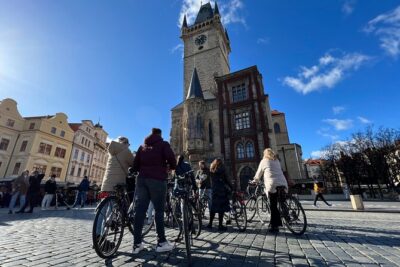 ★ 5.03-hour Complete Prague Bike TourFrom $473,674 reviews
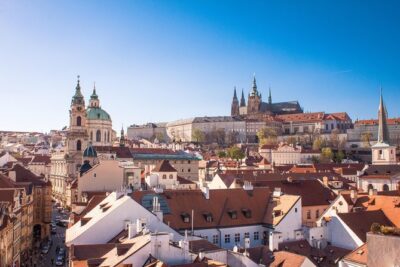 ★ 5.0Prague 3-hour Afternoon Walking Tour including Prague CastleFrom $531,899 reviews
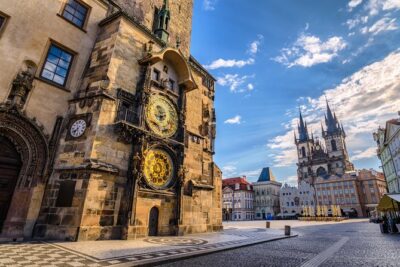 ★ 5.0Discover Prague Private Tour – 3 hoursFrom $133705 reviews
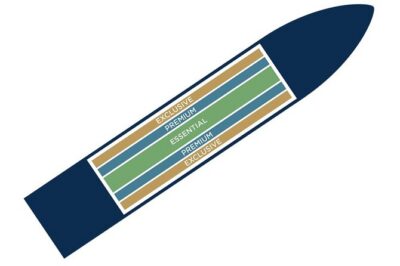 ★ 3.5Prague Boats 3-hour Dinner CruiseFrom $72626 reviews
 ★ 4.53-Hour Beer Tour and Traditional Czech DinnerFrom $73599 reviews
 ★ 4.7Prague 3-Hour Tour with Astronomical Clock AdmissionFrom $56453 reviews
Browse the lists this tour appears in