
REVIEW · PRAGUE ATTRACTION TICKETS
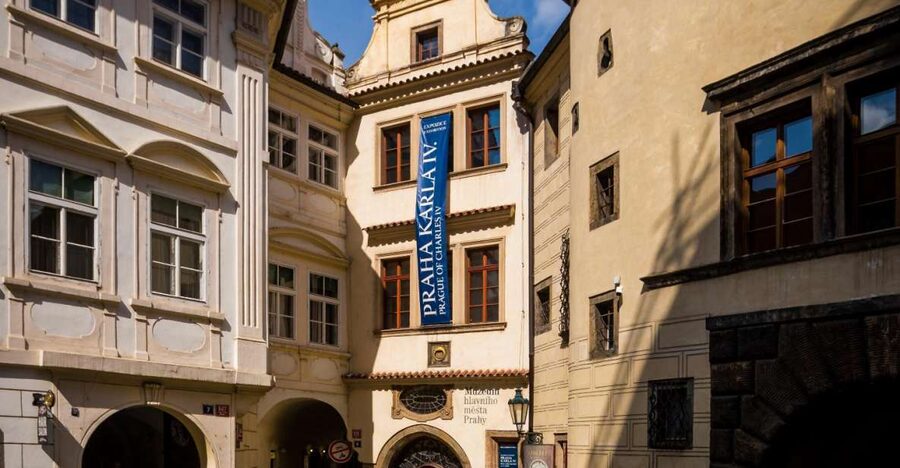
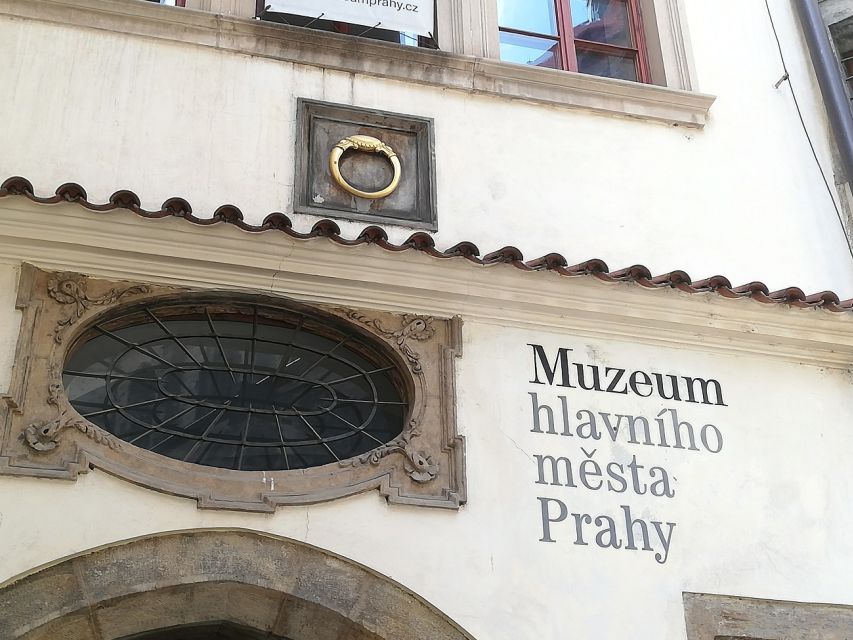
Prague: House at the Golden Ring Entry Ticket
Prague changes fast when you look at it from inside the past. This House at the Golden Ring ticket pairs real artifacts and 3D-style visuals with a strong story about how Prague developed under the House of Luxembourg. I like that it does not treat medieval Prague as a vague idea, it shows it as a working city you can understand.
Two things I especially enjoy: the multimedia exhibits (including video mapping and animated scenes) and the fact that you are not stuck reading plaques all day. There is also a possible drawback to plan for: the exhibitions are in English, and if you prefer French or other languages you may find the dialogue limits your comfort.
Key points to know before you go
- Three linked exhibitions so you see medieval Prague, Rudolf II’s world, and costume-themed storytelling in one visit
- Video mapping and a Prague model that connects Charles IV-era buildings with city layout and major sites
- A nine-metre Rudolf II animation featuring a people-filled image of the city, created with modern technology
- Physical models plus digital media, which helps the details land even if you are not a hardcore history buff
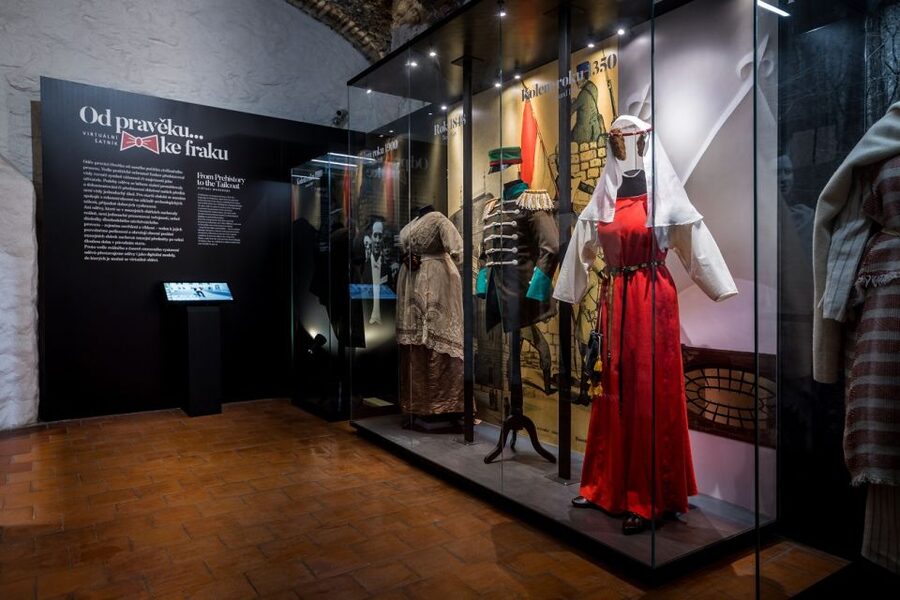
- An interactive digital costume exhibition that makes the era feel more hands-on than typical museums
Entering the House at the Golden Ring with the right mindset
This is one-day museum time, but it does not feel like one of those slow, board-and-brochure places. You are stepping into a guided-style experience built around big city questions: What did Prague look like during major reigns, how did people live, and how did rulers shape what was built?
The ticket is also a budget-friendly way to get value out of Prague, especially if you already plan to spend time outdoors walking between sights. Instead of only seeing stone monuments, you get the connective tissue, like how the city administration worked and how major bridges and districts came together.
At $8 per person, I think this is priced like an entry add-on, not a full-day production. That makes it easier to fit into your trip, even if you are not sure how much museum time you want.
More Prague city tours, river trips, and Czech day trips to compare

Medieval Town exhibition: models that turn Charles IV into something you can picture
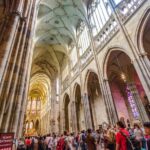
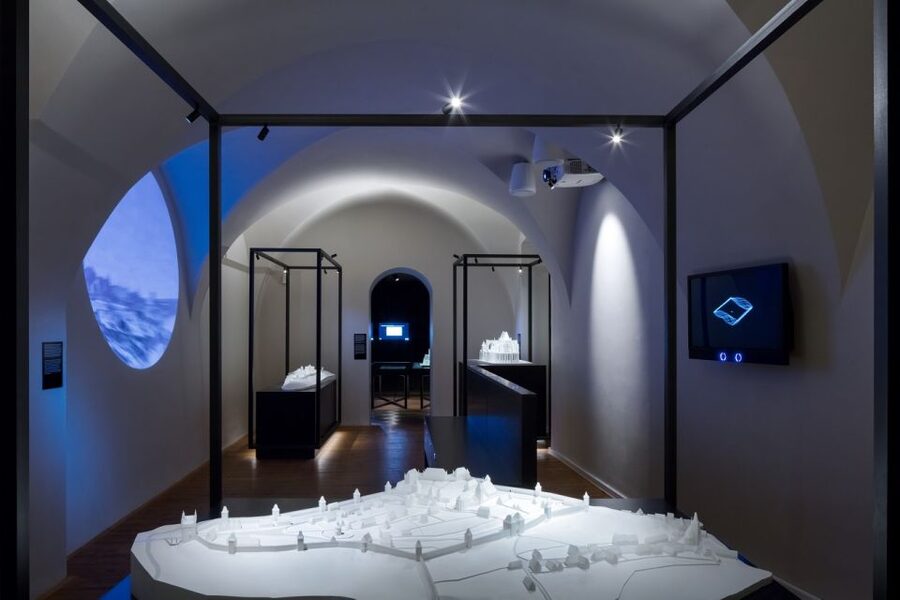
The core of the experience for many people is the Medieval Town exhibition, and it works because it uses models in a smart way. You see virtual and tangible models of key buildings founded or emphasized during Charles IV’s era. The point is not just to identify landmarks. It is to understand housing development across the growing urban area, how the stone bridge functioned in the city, and how the metropolis looked as it changed under the Luxembourg rulers.
What I like most here is the mix of big structures and everyday context. The exhibition includes models of major sites used for religious and state purposes at the time, including Vyšehrad, Prague Castle, and St Vitus Cathedral. Those names matter because they were not only impressive, they were political signals and civic anchors.
You also get a set of “dramatic stops” that shape the narrative beyond buildings. The story touches events such as Charles’s birth, his arrival to Prague in 1333, his coronation, and his burial. Even if you already know a few dates from guidebooks, these moments help you connect the urban planning to the ruler’s life, instead of treating Prague’s medieval era like a museum diorama.
A practical consideration: this exhibition leans into visual storytelling. If you are expecting lots of text-based explanations, you might want to go with a curious, watch-and-notice approach. The upside is that you can follow the changes in the city layout without needing to memorize details first.
Charles Square, Prague bridges, and the mapping moments you will remember
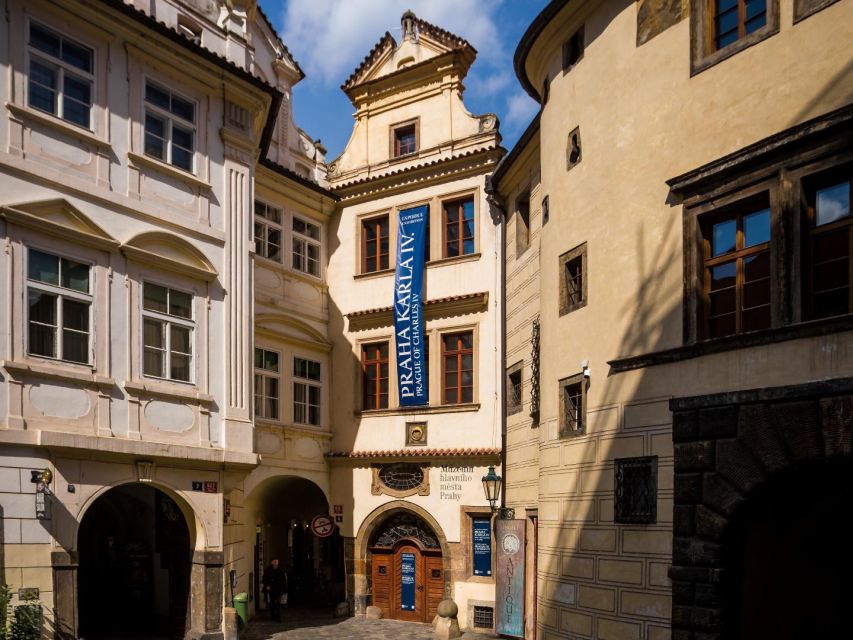
One reason this ticket sticks with me is how it uses moving visuals to connect geography to history. You are shown virtual presentations of town administration and medieval bridge construction. This matters because medieval Prague was not only about famous castles and churches. It was also about how the city worked day to day: governing, moving people, and linking neighborhoods.
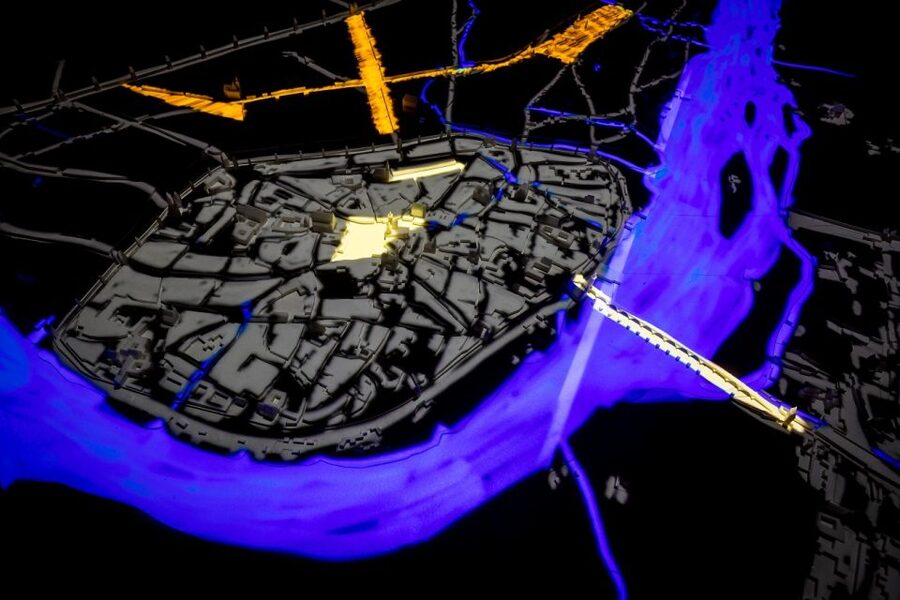
You also see video mapping of the Prague conurbation model, with attention to areas like Charles Square and its vicinity. In real life, you can walk around these places and still feel like you are missing the bigger pattern. Here, you get that pattern first, so your outdoor walks later make more sense.
If you like “I get it now” moments, this part tends to deliver. Models plus mapping help you see how a river crossing or a public space can change where development happens. You start noticing the city as a system, not just a set of postcards.
Rudolf II in high-tech motion: the nine-metre animation and Sadeler Prospect
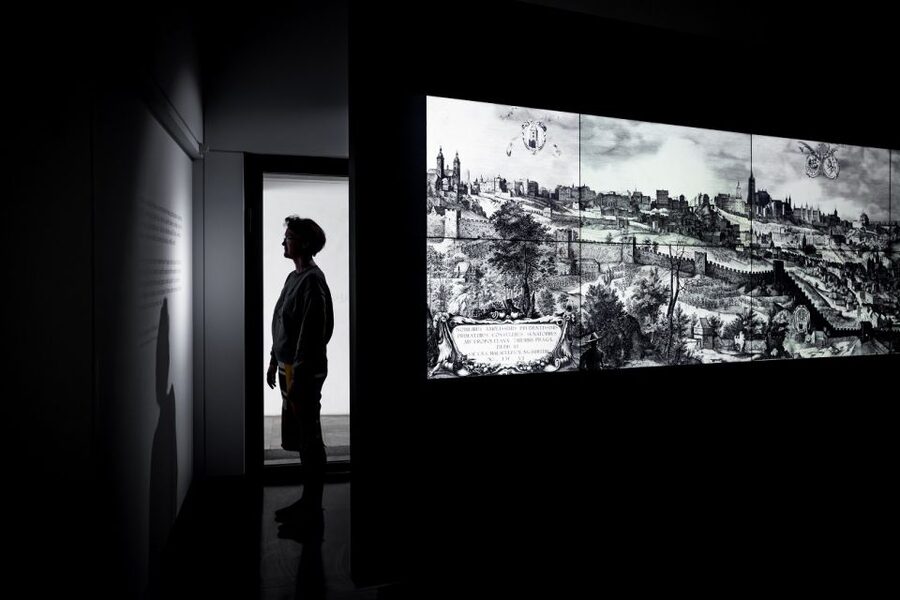
The Multimedia View of Prague During the Rule of Rudolf II is where the museum speeds up. The centerpiece is a nine-metre animation that offers a view of life in Prague during the Rudolfine era. Instead of showing an empty city, it aims for motion and crowd energy, with the feeling of people moving through the city.
There is also an outcome called the Sadeler Prospect, described as a new image of Prague created through the collaboration of historians and modern technology specialists. The goal is to recreate an image of the city swarming with people, with joys and worries. That phrasing may sound poetic, but the practical effect is simple: you see Prague as inhabited, not just preserved.
For me, the strongest value is how this section complements the Charles IV era. Charles IV gives you structure and civic development, while Rudolf II leans more into atmosphere and human presence. If you are the type who learns better when a place feels alive, this is likely the part you will talk about after.
If you are the type who needs everything explained in your preferred language, do keep expectations realistic. The exhibitions are presented in English, and some visitors note that the dialogue is not available in other languages. You will still have visuals to lean on, but your understanding will be strongest if you are comfortable with English narration.
From Prehistory to the Tailcoat: costume storytelling that helps you read everyday life
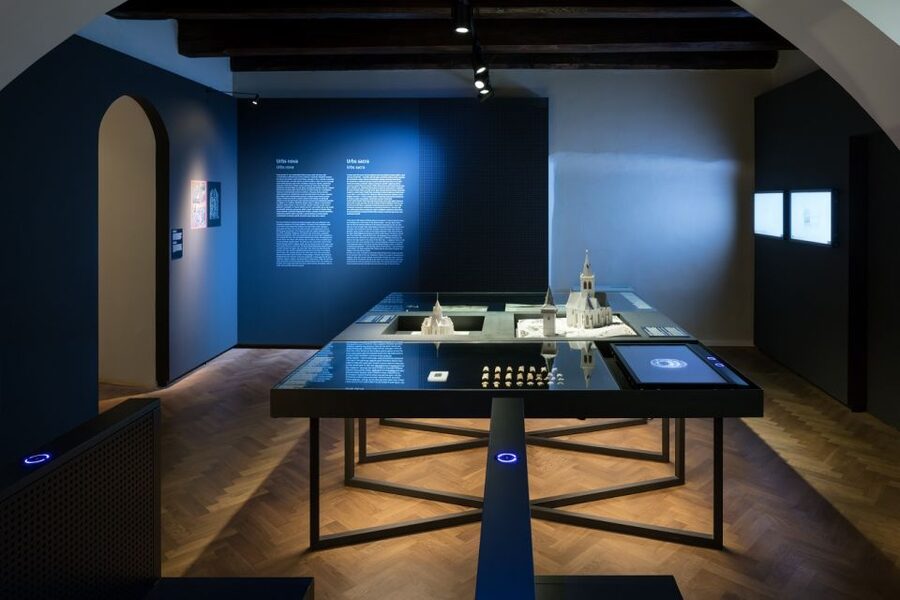
Included in the ticket is From Prehistory to the Tailcoat, and within the experience you will also encounter an interactive digital costume exhibition. This is a different kind of learning compared to models and mapping. Instead of asking What were the buildings like, it invites you to ask What did people wear, and what does clothing signal in a society?
Even if you do not consider yourself a fashion person, costumes work as social history. Clothing is practical, and it also shows status, occupation, and culture. In this exhibition concept, you are meant to connect ordinary objects and forms of life to the bigger timeline.
This section is especially useful if you find pure architecture museums a little dry. It gives you a human-scale entry point. If your trip to Prague includes big-ticket stops like the Castle area or the Old Town, costume-based storytelling can act like a palate cleanser.



Archaeological finds and original objects: why you should pay attention to the small stuff
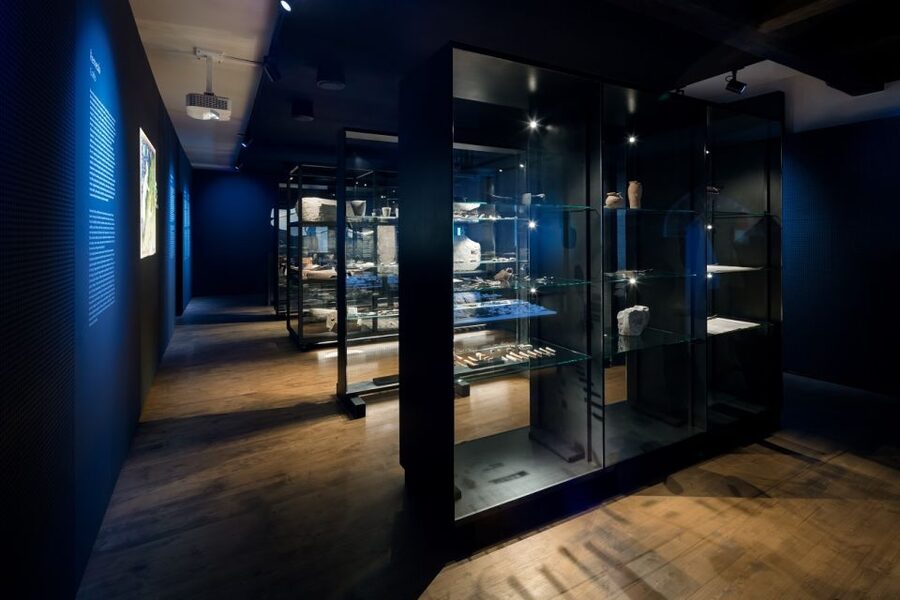
Another reason this ticket earns its price tag is that it includes unique archaeological findings and original objects from collections connected to Prague cultural institutions. The exhibits draw from items held by the Prague City Museum and the National Heritage Institute (Regional Office in Prague), along with objects from other institutions.
This matters because “multimedia” sometimes means you get screens and very little physical content. Here, you are still meeting real pieces from collections. That is part of why the experience can work for different learning styles: you get the technology for motion and clarity, plus the tangible proof that the story is rooted in artifacts.
As you move through the rooms, I recommend slowing down at the physical objects long enough to read what they are and then move back to the screens to see how those items fit into the larger narrative. It is an easy way to avoid the common museum problem where digital displays become background noise.
How long does it take, and how should you pace it?
The experience is valid for 1 day, and you can check availability for starting times. In terms of pacing, a visit feels built to fill about a couple hours if you watch key moments and do not rush every display.
My suggestion: pick your priorities before you enter. If you care most about Rudolf II, spend more time on the nine-metre animation sequence. If you want Charles IV era planning and urban form, focus on the models of the city and the video mapping around Charles Square. If you are more curious about everyday life, give extra attention to the costume section and the archaeological objects.
The museum includes multiple forms of media, so you will likely have a few “stick with me” moments rather than needing to understand every detail. That is normal. The value here is building a clear mental picture of how Prague looked and functioned during different reigns.
Price and value in Prague terms
At $8 per person, this is one of the most low-risk tickets you can buy in central Prague. Even if you only enjoy one main exhibition strongly, you usually feel you got your money’s worth. When a museum charges low entry pricing and still gives you multiple exhibitions plus videos, it signals that the experience is meant to be accessible.
Also, this is not a place that requires you to take a guided tour to feel oriented. The displays and narratives are set up to carry you. That makes it attractive if your Prague plans are flexible and you do not want to commit to a full-day guided program.
For value, think of it like this: outdoor Prague walking gives you the monuments. This ticket helps you see what those monuments meant in their original city setting, and how the city changed over time. That combination tends to make the rest of your trip click.
Who this is best for, and who should be cautious
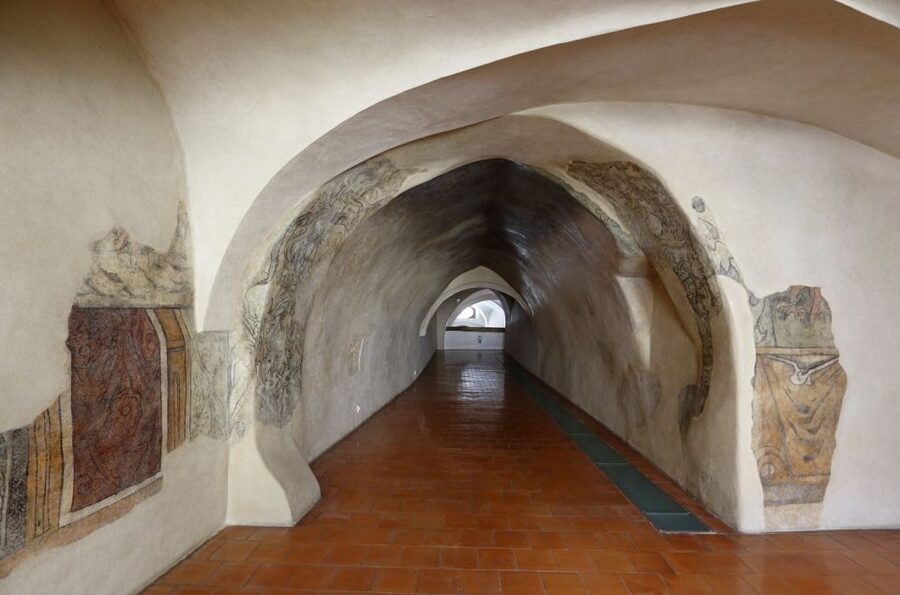
This experience tends to fit best for people who like visual learning: models, video mapping, and animation help you understand Prague’s development during the reigns of Charles IV and Rudolf II.
You will probably enjoy it most if you:
- want a straightforward way to understand medieval Prague without deep prior study
- like technology-enhanced museum experiences with physical objects too
- enjoy costume and everyday-life storytelling as part of history
You might want to reconsider if:
- you prefer museums with extensive text or multiple language options, since the experience is presented in English
- you only enjoy history when it is very academic or very fact-heavy, because a portion of the presentation is designed for atmosphere and visuals rather than long, detailed explanations
Should you book the House at the Golden Ring ticket?
If you want a smart, affordable way to add context to Prague’s biggest landmarks, I would book it. The ticket gives you multiple exhibitions in one visit, strong visual storytelling, and physical artifacts that make the era feel grounded. At $8, even a partial hit is still good value.
Book it especially if you like multimedia and want a clearer picture of how Prague looked and worked under Charles IV and Rudolf II. If you only read museum content comfortably in English and you do not mind relying on visuals, this is an easy win.
FAQ
What is the price for the House at the Golden Ring entry ticket?
The price is $8 per person.
How long is the experience?
It is valid for 1 day.
What’s included with the ticket?
It includes the Medieval Town exhibition, the Multimedia View of Prague During the Rule of Rudolf II exhibition, and From Prehistory to the Tailcoat.
Is there a set time slot I need to follow?
Starting times depend on availability, so you should check available times before you go.
What language is the experience offered in?
The materials are in English, and the instructor is listed as English.
How long should I plan to visit?
The tour is designed for a 1-day entry, and many visitors spend a couple hours to see everything at a comfortable pace.
Is free cancellation available?
Yes. You can cancel up to 24 hours in advance for a full refund.
Can I reserve now and pay later?
Yes. There is a reserve now & pay later option, where you can book a spot and pay nothing today.
More Tickets in Prague


More Tour Reviews in Prague
Not for you? Here's more nearby things to do in Prague we have reviewed












Prague Attraction Tickets, compared.
 ★ 4.3Skip-the-line Castle Ticket and Optional AudioGuideFrom $3511,121 reviews
 ★ 4.6Castle Tour with Local Guide and Entry TicketFrom $6110,422 reviews
 ★ 4.7Prague Castle 2.5-Hour Tour Including Admission TicketFrom $578,927 reviews
 ★ 4.5Old Town Hall Tower Entry TicketFrom $216,749 reviews
 ★ 4.1Entry ticket to Ice Pub Prague with Nightclub OptionFrom $145,273 reviews
 ★ 4.4Prague Castle and Lobkowicz Palace Entry TicketsFrom $385,066 reviews
 ★ 4.7Entry Ticket Classical Concert at the Mirror ChapelFrom $344,636 reviews
 ★ 4.3Museum of Fantastic Illusions Entry TicketFrom $174,337 reviews
Browse the lists this tour appears in