
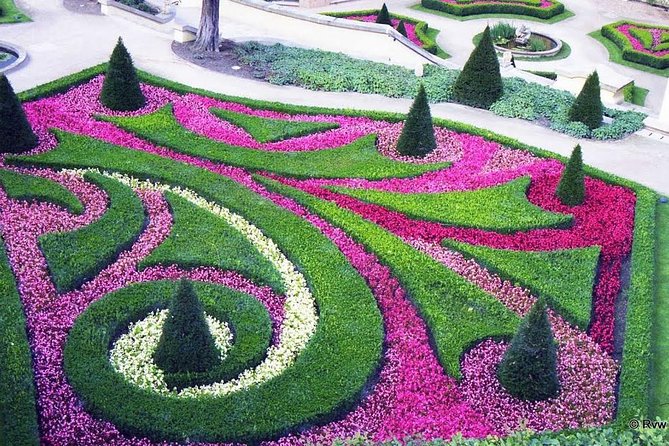
REVIEW · PRAGUE WALKING TOURS
Private Prague Renaissance & Baroque Gardens Walking Tour
Prague’s gardens surprise you with royal stories. This private Renaissance and Baroque garden walk pairs beautiful outdoor spaces with smart explanations of how Prague’s rulers, gardeners, and diplomats shaped what you see. I especially loved the way the guide turns details into context, and I loved the payoff of multiple garden styles in one smooth circuit. The main drawback to plan for is that you pay extra for some garden admissions, including the Prague Castle garden areas and Vrtba Garden.
You get a scholar-led route built for people who want more than postcards. I like that it is a private group up to 10, which keeps questions easy and pace comfortable, especially when you stop for views and stories. One more consideration: Vrtba Garden includes some steep stairs to reach the upper terrace, so if stairs are an issue, you may want to plan to wait below.
Key Highlights You Should Know Before You Go
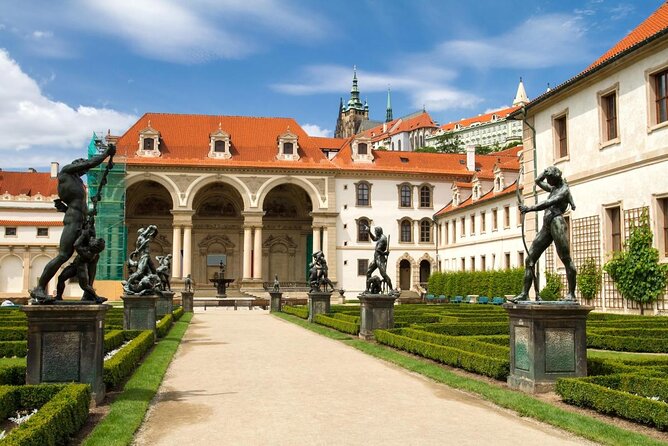
- Private, up to 10 people, so the guide can tailor the pace and questions.
- Vrtba Garden at the end, with famously good Prague and Prague Castle views from the upper terrace.
- Prague Castle gardens focus, including Renaissance-era plant collections and the drama of royal gift-giving.
- A Wallenstein Garden-style style shift, moving from Renaissance flavor toward Baroque set pieces.
- Fountains, statuary, and grotto details, not just paths and flowers.
- Some admission fees are not included, so bring a little cash or plan on buying tickets.
What This Private Prague Renaissance and Baroque Gardens Tour Really Gives You
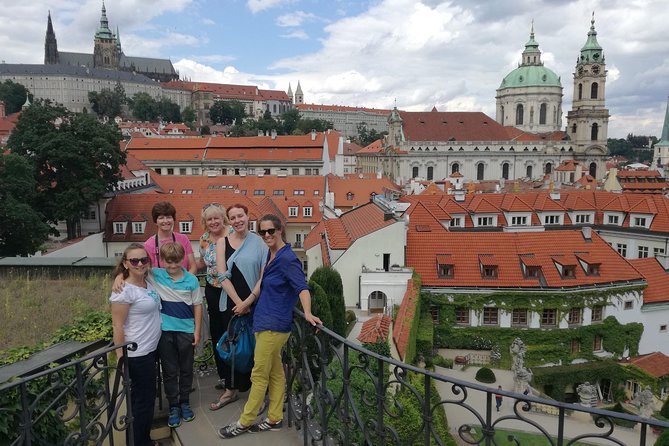
This tour is for people who like their sightseeing with reasons. You do not just walk through garden “pretty spots.” You learn how Prague’s elite used gardens like soft power, science, and theater all at once.
I love that the route mixes famous names with the kind of spaces that feel more secret and local. You go from the bold Baroque look of Vrtba Garden to the more layered, historical castle garden world where Ferdinand I, Queen Anna, and their gardeners put on a horticultural show.
The other big win is the guide angle. The experience is led by a scholar guide, and in the feedback I saw, that kind of guiding is exactly what makes the plants, fountains, and sculptures click into place. A guide name that comes up is Bonita, with praise for spotting details and telling the stories behind them.
You can also read our reviews of more walking tours in Prague



Price and Value: Paying for a Smaller Group and a Smarter Route
At $397.36 per group (up to 10), you are not paying per person. In real terms, that can be good value if you are traveling with friends, family, or even a small group of fellow travelers who want the same plan.
What you are really buying is:
- time with a guide who can explain symbolism and design choices
- access to a coherent route, including spots that are not on every quick tour
- a pace that works for questions and photo pauses
One thing to budget for: garden admissions are not included for the areas under Prague Castle and for Vrtba Garden. The itinerary also includes stops that are free, so you will not be paying fees at every point. Still, check this up front so the final cost matches your expectations.
If you are traveling solo, the group price can feel steep. If you can share the cost, it becomes much easier to justify, especially because the tour is private.
Meeting Point, Tram 22, and How the 3-Hour Circuit Works
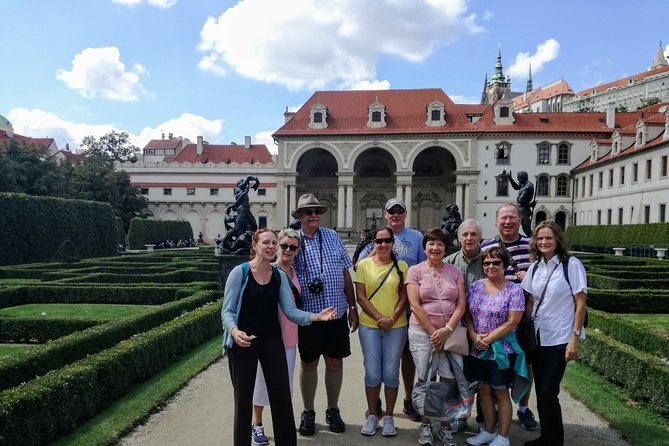
Start at Bagel Lounge Malostranská (Letenská 118/1, Malá Strana, Prague 1). If you arrange pickup from your central hotel or flat, the day starts easier. If you do not, you meet your guide in front of Bagel Lounge Malostranska.
After you meet, you take the tram 22 together to reach Castle Gardens. That matters more than it sounds. Walking alone through this area can be a lot of stairs and uneven routes, so the transit piece helps keep the “garden time” high and the stress time low.
The tour runs about 3 hours, and you can choose a morning or afternoon departure. That flexibility is useful in Prague, where weather and crowd levels can swing fast.
Stop-by-Stop: How Each Garden Earns Its Place
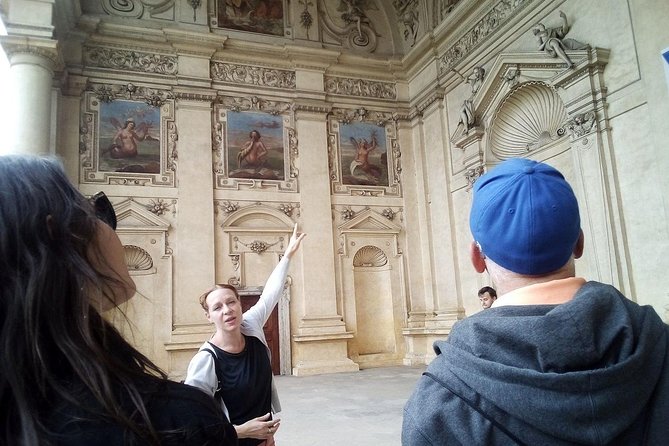
This route is designed like a story that changes style as you go. You start with a Baroque showstopper, then move through Renaissance gardens and castle-era plant experiments, then end with another classic view deck.
Vrtba Garden: Baroque Layout and the Big Upper-Terrace Views
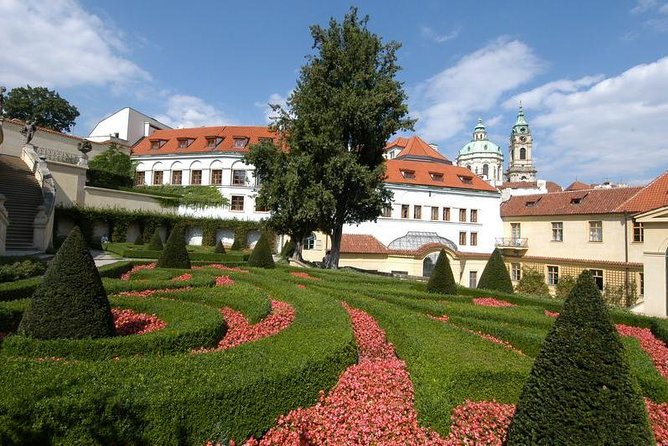
Vrtba Garden is your opening anchor for Baroque design. You walk through a walled, 1700s-era Baroque garden and you get to admire sculptural decor and the statuary that shaped its early 18th-century look. There is also an added layer because the tour references its recognized cultural value tied to UNESCO.
The payoff is the view. From the upper terrace, you get strong sightlines toward Prague Castle and across the city. This is the kind of place where the guide’s explanation helps you notice how the garden “frames” the city rather than just showing it.
The practical catch: you climb some steep stairs to reach the upper terrace. If stairs are a concern, the plan is flexible. You can wait below, or you can request a private tour approach tailored to your group so everyone still enjoys the day.
Admission is not included for Vrtba Garden, so plan for that extra step.
You can also read our reviews of more private tours in Prague






Wallenstein Garden (Waldstein Garden): Myth Statuary, Grottos, and Albino Peacocks
Next comes the Wallenstein Garden, tied to Wallenstein Palace and open to the public as the gardens of the Senate of the Czech Republic. This is an Italian-style garden built in the 1600s, and it is loaded with detail you might miss if you are rushing.
You will see an aviary and an artificial grotto. There is also a sculptural gallery of mythological heroes and a fountain linked to Adrian de Vries. These are not random decorations. They reflect the Renaissance and early Baroque taste for stories told through marble and bronze.
One standout detail: albino peacocks. If you like moments that feel slightly unreal in the best way, this is one of them. It gives you that feeling that you are stepping into a designed world, not just a park.
There is also a “style transition” thread here. The tour explanation focuses on how the garden design reflects shifts from Renaissance to Baroque.
This stop is listed as free for admission, so you can focus on walking and learning rather than ticket math.
Royal Garden in Prague Castle: Renaissance Roots and Exotic Plants
The Royal Garden sits within the Prague Castle area and connects to a site of medieval vineyards. It later developed into a Renaissance garden, and the big attraction here is the theme of rare botanical specimens and exotic plants from distant places.
The guide approach matters. You are not just seeing greenery. You are learning how the garden worked as a living collection with political and intellectual meaning.
This stop is designed to set up the next palace and the horticultural stories that follow, including the unusual global connections that brought plants and trends into Central Europe.
Admission for Prague Castle garden areas is not included, so expect an extra ticket or fee here.
Queen Anna’s Summer Palace: The Purest Renaissance Outside Italy
Then you reach Queen Anna’s Summer Palace, described as the purest Renaissance architecture outside Italian territory. Even if you do not consider yourself an architecture person, you will likely appreciate how much symbolism is built into the look.
The palace has an ornamental and figurative frieze, arcades with decorated Tuscan heads, and relief scenes from mythology, hunting, and wars. The guide points out a specific detail that ties the building back to the people behind it: Ferdinand I shown with the Order of the Golden Fleece, and the fig-tree blossom connection offered to his wife, Queen Anna.
It is one of those rare moments where you can see how garden and palace design both tell the same story.
This stop is listed as free.
Ball Game Hall in the Royal Garden: A Renaissance Building With Changing Uses
Above the Stag Moat, you visit the Ball Game Hall. It is a Renaissance building from the mid-1500s, originally used for ball games, then later as a riding school and stables.
This is a great breather stop, and it shows something important about Prague Castle gardens. They were not only for leisure aesthetics. They also supported practical court life.
This stop is free. It also gives you a change of pace before moving deeper into the castle garden circuit.
The Stories That Make the Gardens Feel Like More Than Pretty Places
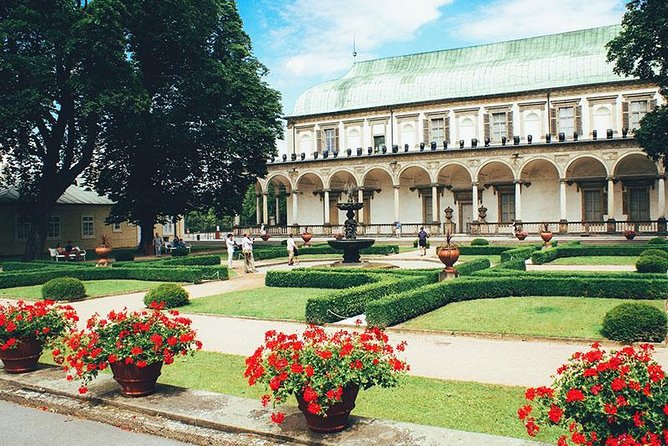
The route also weaves in several themed stops and stories tied to royal gardening and international influence. Even if you only remember one thing from the day, it should be this idea: gardens in Prague were a show of power, taste, and connection to faraway networks.
Here are the highlights that help it all make sense:
- Ferdinand I’s gift to his wife tied to the Belvedere summer palace and castle gardens, showing how love and politics mixed in built form.
- The Fig House and Orangery, where gardeners coaxed exotic fruit trees to bloom for the first time in Central Europe. This is the science-and-stubbornness side of garden history.
- A bronze-cast singing fountain, which gives you a rare sensory moment in a visual setting.
- The Turkish Sultan sending tulips as a gift, sparking a tulip craze. You see how a single gift can influence taste and collecting.
You also move through castle courtyards and areas such as the South Gardens and Garden of Paradise, then down onto terraced gardens on a slope below the castle. That terracing is not only for beauty. It is how you manage views, water, and planting in a steep city.
Vrtba Garden Again, Plus the Lesser Town Finish
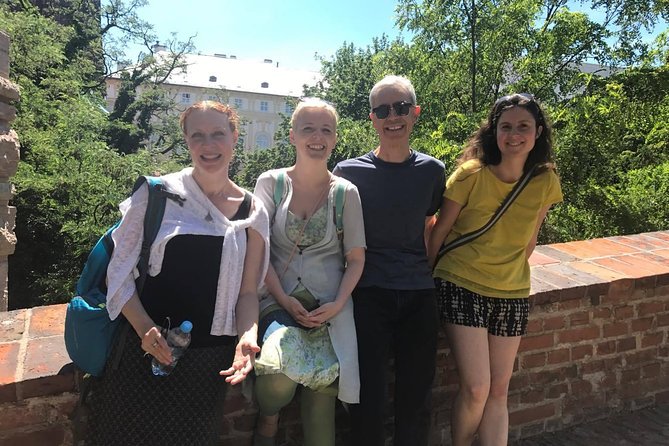
Even though Vrtba Garden is your first listed stop, it also functions as the tour’s “end-of-day view moment” described in the route plan. The key idea is that your time in Vrtba gives you the final look back over Prague.
After you leave Vrtba, you finish in the heart of the Lesser Town, close to classic Prague attractions. Then the tour ends back at the meeting point.
If you are planning what to do after the tour, keep it simple. This is the kind of walk that leaves you with a stronger sense of direction, so you can comfortably add a nearby museum stop, a stroll along the river, or a casual meal without feeling like you need to cram another big attraction.
Getting the Most Out of It: What to Wear and How to Pace Yourself
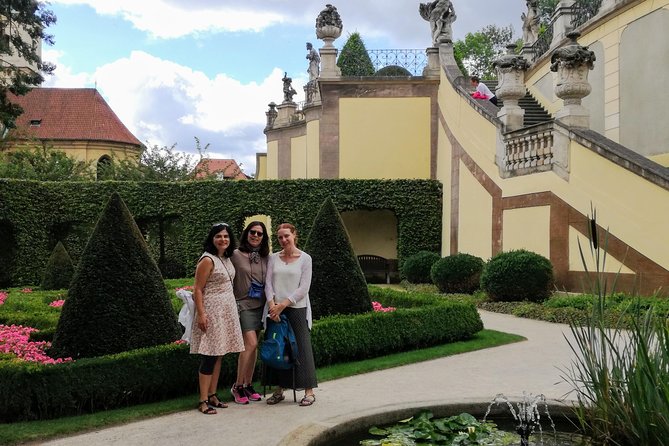
This is a moderate physical fitness tour. You will do walking through garden paths and at least some steps, especially if you go up to Vrtba’s upper terrace.
Practical tips:
- Wear shoes with solid grip, since garden areas can be slick if it has rained.
- Bring a small daypack with water and a light layer. Prague weather changes fast.
- If stairs are a problem, tell the guide early. The plan allows you to wait below at Vrtba, and the private nature of the tour helps with small adjustments.
Because it is private, you can also ask the guide to slow down for photos or to spend a little longer at viewpoints.
Who This Tour Suits Best
This Prague garden walk makes the most sense if you fit one of these profiles:
- You want Renaissance and Baroque architecture and design, but in plain language.
- You like learning the story behind gardens, not just taking photos.
- You prefer smaller-group pacing so you can ask questions and linger when something grabs your attention.
- You are traveling with a group of up to 10 and want to share the cost.
If you only want quick highlights and you hate extra walking, a shorter garden-focused option might feel better. But if you want the gardens to feel like a coherent, meaningful route, this plan is built for that.
Should You Book This Private Prague Garden Walk?
Book it if you want a guided garden route that connects plants, fountains, architecture, and diplomacy into one storyline. You will likely enjoy it most if you appreciate details, symbolism, and the way design changes across Renaissance and Baroque styles.
I would hesitate only if you know you cannot handle stairs, since Vrtba Garden involves steep steps to reach the upper terrace. If that is your situation, ask about your comfort level right away. The tour is private, so there is room to adjust.
Also, budget time and money for admissions at Prague Castle garden areas and Vrtba Garden. Once you factor that in, the value is strongest when you split the group price.
FAQ
FAQ
How long is the Private Prague Renaissance & Baroque Gardens Walking Tour?
The tour lasts about 3 hours.
Where do we meet for the tour?
Unless you provide pickup details, you meet your guide in front of Bagel Lounge Malostranska, Letenská 118/1, 118 00 Praha 1-Malá Strana.
Is pickup available?
Yes. Pickup from a central hotel or flat is offered.
Is this a private tour, and how big is the group?
It is private, and your group can include up to 10 participants. Only your group participates.
Do we need to pay for garden admissions?
Yes. Gardens under Prague Castle & Vrtba Garden have admission fees that are not included.
Is the tour suitable for people with limited mobility or stair concerns?
The tour is for travelers with moderate physical fitness. At Vrtba Garden, there are some steep stairs to reach the upper terrace. If you have issues climbing, you can wait below, or the tour can be tailored privately to your group.
More Walking Tours in Prague



More Tours in Prague



More Tour Reviews in Prague



Not for you? Here's more nearby things to do in Prague we have reviewed












Prague Walking Tours, compared.
 ★ 4.73-Hour Walking Tour of Old Town & Prague CastleFrom $305,696 reviews
 ★ 4.4Ghost Walking Tour Where Legends Come To LifeFrom $275,253 reviews
 ★ 4.7Jewish Quarter Walking Tour with Admission TicketsFrom $763,729 reviews
 ★ 5.0Prague Guided Walking Tour and Cruise with Authentic Czech LunchFrom $1023,627 reviews
 ★ 4.6Old Town and Jewish Quarter Guided Walking TourFrom $222,847 reviews
 ★ 4.5Prague Ghost and Legend of Old Town Walking TourFrom $212,630 reviews
 ★ 5.0Prague 3-hour Afternoon Walking Tour including Prague CastleFrom $531,899 reviews
 ★ 4.7Ghosts and Legends Nighttime Guided Walking TourFrom $221,462 reviews
Browse the lists this tour appears in