REVIEW · PRAGUE
Medieval Prague Through a Nightwatchman’s Eyes
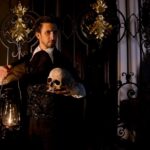
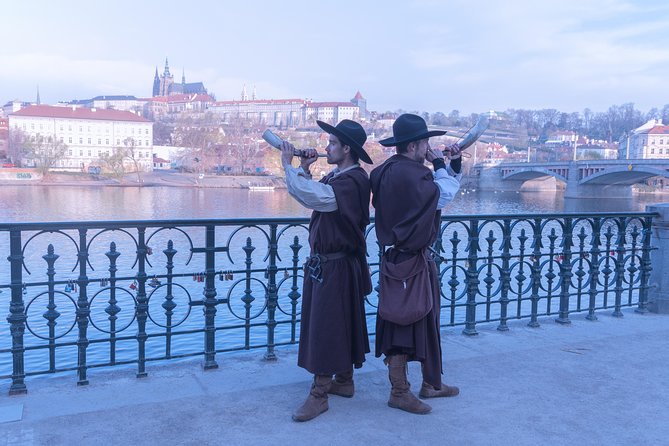
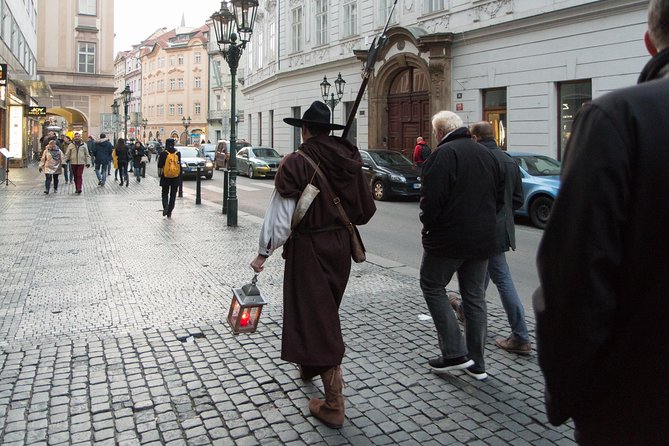
History gets spooky fast in Prague. This is a night walk through Old Town with a costumed night watchman guide, where you learn the city through everyday street life and scary local rumors. I love the way the guide turns famous buildings into scenes you can picture, and I love the small-group feel that makes the medieval side of Prague feel personal, not like a checklist.
One consideration: this tour leans into the darker stuff, including tales tied to executions and other grim moments. If you prefer gentle, light history only, you might want to mentally brace for the heavier storytelling.
Medieval Prague Through a Nightwatchman’s Eyes: Key Highlights
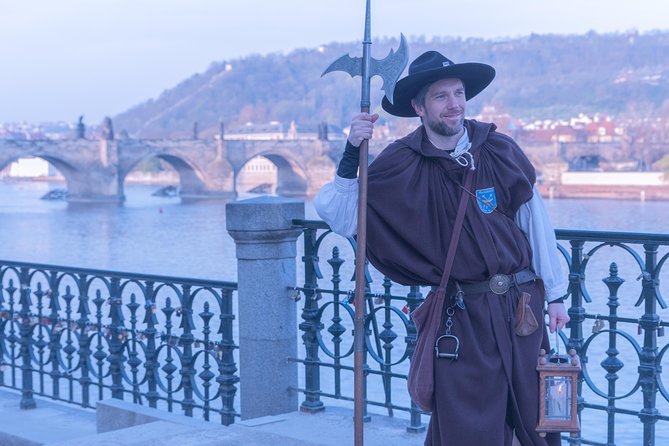
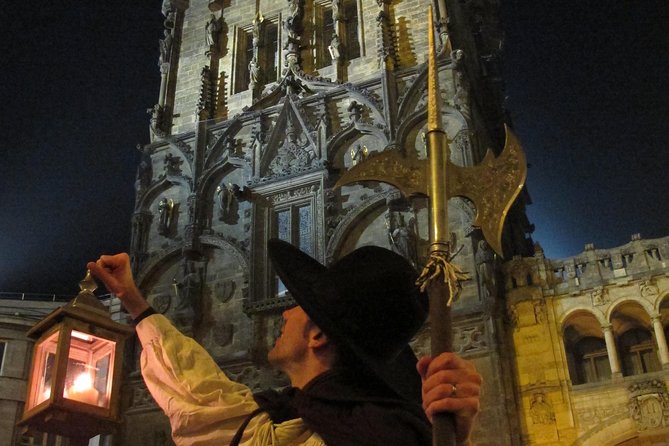
- Costumed guide in character: lantern, staff, and a performance style that makes the streets feel like a stage
- Old Town landmarks with street-level context: powder storage, markets, courts, and daily life for common people
- Real atmosphere after dark: the route works well in low light, rain, and chilly weather
- Narratives built around Don Giovanni connections: you pass key spots linked to the 1787 premiere
- A thoughtful ending near Charles Bridge: you finish at the bridge’s start, ready to continue exploring
Why This Night Watchman Walk Works So Well
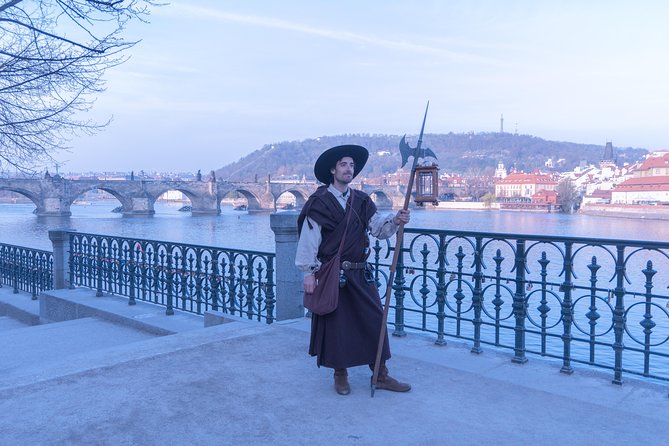
Prague at night has a different pace. The buildings stay the same, but the stories change. This tour leans into that, using a night watchman character to explain how order, fear, and community life worked in older Prague.
I like that it does not treat Prague like a museum. Instead, you connect the landmarks you see to the people who lived nearby, including the lower classes. The result is a walk that feels like street theater, but still grounded in real locations.
A big part of the value is the guide style. People talk about guides like Thomas, Oscar, and David, and the common thread is commitment to character and clear English storytelling. You are not just hearing dates. You are hearing what daily life felt like, and that makes the medieval parts easier to remember.
You can also read our reviews of more tours and experiences in Prague.

Meeting at the Powder Gate: Starting With 13 City Gates
You begin at Prague’s Powder Tower area, right by the Old Town side of the Powder Gate (Prasna brana). This matters because it is not just an impressive arch. It is part of the larger idea of Prague as a city that guarded itself, controlled entry, and stored supplies.
The tour introduces the Powder Gate as one of the 13 protective gates. You also hear the origin of its name, including the fact that gun powder was stored there since the 17th century. That link between a city gate and storage gives you a practical lens on what defense looked like.
From here, the tone clicks into place. Instead of rushing ahead to the next highlight, you get a sense of why the streets looked the way they did, and why gates and boundaries shaped daily movement.
Ovocný trh and the Bread of Common People
Next you head to Ovocný trh, the fruit market area. Even though you are standing in a modern square, the guide uses the spot to explain an older marketplace routine: who shopped, what common people ate, and how food helped form the city’s rhythm.
One neat touch is the idea of bread for the common people. It is a way to keep the story anchored in daily survival, not court gossip only. You start to see Prague as a place where most people were focused on ordinary needs, not grand monuments.
Drawback to keep in mind: markets are visual and lively, but this stop is short. If you expect a long food-focused break, you will not get that. Think of it as a story stop that sets up the tour’s theme of everyday life.
Theatre Des Etats: Mozart-Era Prague Without the Museum Vibe
Then the route jumps toward culture, with a stop at Theatre Des Etats. Here the tour time-travels toward the Mozart period, pointing out the premiere of Don Giovanni in the Estates Theatre.
This section is valuable for two reasons. First, it connects a famous composer to a specific Prague location, so you can picture the city as an arts hub. Second, it ties the big names to the same broader theme you saw at the market, because theater in that era still depended on the city’s social structure.
You also get the chance to learn about a local hero of the Czech Republic introduced in this stretch. That kind of local connection helps the tour feel less like general European history and more like Prague-specific storytelling.
Passing Key Don Giovanni Landmarks and the First University
Between major stops, the tour includes quick passes that help stitch the story together. You move by the statue of Il Commendatore, a reminder tied to the first play of Don Giovanni in 1787. You also pass by the first middle European university.
These in-between segments are short, but they matter if you like spotting meaningful details while walking. You get more than a single landmark name. You get context that makes the site make sense inside the story the guide is telling.
Practical note: because these are pass-by moments, you will want to listen closely while you are moving. If you stop scrolling your phone and actually track the guide’s cues, you will absorb more.
Old Town Hall and the Astronomical Clock Area
One of the most important stops is the Old Town Square stretch with the Old Town Hall and the Astronomical Clock. This is where the tour turns from arts and marketplaces into governance and public spectacle.
You talk about the town hall and the market place, and the guide brings in events tied to defenestration and famous executions. It is not just horror for shock value. The point is how public punishment worked as a form of social control, and how the city communicated order through visible acts.
You also get a solid amount of time here, which helps. Twenty minutes is enough to catch the main story beats and then glance around at the buildings while they are still fresh in your mind.
Possible drawback: if the execution stories feel like too much, this is likely the most intense section. The guide’s job is to explain the why and the how, but the topic is still heavy.
Jan Hus Monument: Hussites and Reform-Era Prague
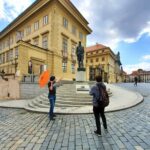
Next you stop at the Jan Hus Monument. This is a clear pivot into the 14th and 15th century world of the Hussites of Prague.
This stop gives the tour credibility beyond entertainment. It adds a major thread in Czech history and makes the older Prague setting more than just a spooky backdrop.
What I like here is the pacing. After the Old Town Square intensity, you get a moment to refocus the story. The monument is a place to slow down and connect reform ideas to the city’s streets and squares.
Church of Our Lady before Týn: A Medieval Anchor
From the monument, you head to the Church of Our Lady before Týn, an older church still visible today from 1368. This stop is brief, but it acts like a physical anchor. You can look at the stone forms and remember that the tour’s stories belong to a built environment that has lasted.
A short stop can be a plus. It keeps you moving while still giving you a meaningful sight. If you want deeper architectural details, you might still pair this with another church visit later. For this tour, the church works mainly as setting and context.
Rudolfinum and the Riverside Pause for Castle Views
Then you pass by the Rudolfinum and take a break along the riverside. This is one of the smartest parts of the route because it gives your legs a breather and your eyes a wider view.
You get a quiet spot where you can make pictures or simply enjoy the view toward Prague Castle. That pause also helps you reset emotionally. After stories that focus on fear, punishment, and public power, a calm river moment makes the walk feel balanced.
If you are the type who likes photos, arrive ready. You will be happy you kept a bit of time and space for the view, especially in cold or rainy weather when people rush too fast through outdoors.
Charles Bridge Start: Nobles, Charles IV, and a Clean Ending
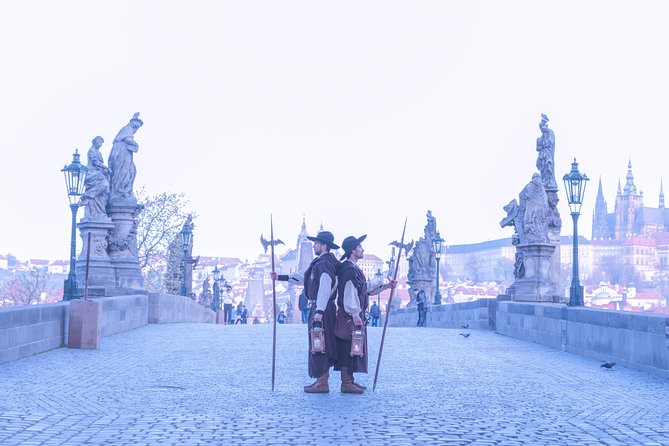
The tour ends at the beginning of Charles Bridge, with a story that connects nobles from the other side and Charles IV. Ending here is practical. It is a major crossroads for continuing your evening, and you will not feel stranded at a random corner.
This finale also feels symbolic. The bridge is a connector, and Charles IV is a key name for how Prague developed and asserted identity. So the last stretch ties back to the theme of movement through the city, guarded entry, and how power shaped what people could do.
If you plan more walking after the tour, you are set up well. You are positioned for a bridge walk, a riverside wander, or a quick hop to more Old Town highlights.
What You Get Included, and Why It Matters for Value
The price includes taxes and fees, plus a guide in historical dress. That is not a throwaway line. The historical dress is part of the storytelling. It helps you accept the character style and it keeps attention on the narrative.
At about $26.62 per person for roughly 1 hour 30 minutes, the value depends on what you want from Prague. If you like guided walking that turns streets into scenes, this is a solid deal for the time. If you want only top-tier sights and no dark storytelling, you might compare against lighter sightseeing tours.
Group size is capped at 15, and the small group theme shows up in the experience style people report. In practice, that usually means more chances to ask questions and better character consistency.
Real Practical Tips Before You Go
This is a moderate physical walking tour, and it runs in all weather. That means you should dress for cold and rain, even if the day looks fine earlier. Wear grippy shoes. Old Town streets can be slick, and this is a night walk where you want stable footing.
You should also be ready for the tour tone. Expect tales of executions and grim mysteries, even if the guide keeps it entertaining. The goal is to understand Prague’s past from the ground up, including what people feared and how they survived.
If you are traveling with kids, they must be accompanied by an adult. For families, the character approach often helps keep younger attention, but the subject matter can still run dark.
Finally, if you want the most out of it, give the guide your focus during the more moving segments. The pass-by moments with Don Giovanni related landmarks are quick. Listening carefully lets you make sense of what you are seeing.
Who This Tour Is Best For
This is a great choice if you:
- Want a nighttime Old Town experience that feels different from daytime tours
- Prefer stories centered on ordinary life, not just royal biographies
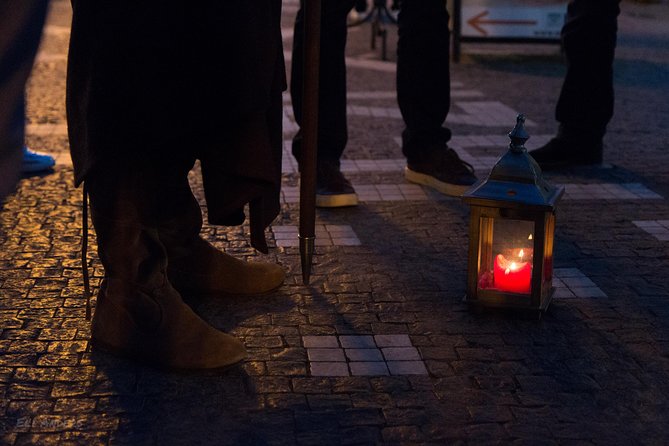
- Enjoy a guide who stays in character and uses props like a lantern and staff
- Like walking routes that hit multiple themes, reform, governance, and culture
If you are mainly shopping for architecture details or long museum-style explanations, this might feel short at some stops. It is built for story and atmosphere, not deep single-site study.
Should You Book This Night Watchman Tour?
I think you should book it if you want Prague to feel alive after dark. The blend of medieval landmarks, practical city context, and strong character storytelling is exactly the kind of tour that makes you remember streets, not just postcards. And because it stays in Old Town’s most walkable zone while ending at Charles Bridge, it also works well as an anchor for the rest of your evening.
I would pause only if you know you dislike dark historical topics. The execution and grim mystery elements are part of the premise. If that does not bother you, this is one of the more memorable ways to see Prague when the lights come on.
FAQ
How long is the Medieval Prague Through a Nightwatchman’s Eyes tour?
The tour is about 1 hour 30 minutes.
Where does the tour start and where does it end?
It starts at the Powder Tower, Nám. Republiky 5, Staré Město, Prague 1, and it ends at the beginning of Charles Bridge near the Charles IV Statue at Křižovnické nám., Staré Město, Prague-Praha 1.
Is the tour offered in English?
Yes. The tour is offered in English.
How large is the group?
The tour has a maximum of 15 travelers.
Does the tour run in bad weather?
Yes, it operates in all weather conditions, so you should dress appropriately.
What is included in the price?
The price includes all taxes, fees, and handling charges, local taxes, and a guide in historical dress.
Can I get a full refund if I cancel?
Yes. You can cancel up to 24 hours in advance for a full refund. If you cancel less than 24 hours before the start time, the amount paid is not refunded.