REVIEW · PRAGUE
The essentials of Prague
Prague makes instant sense with a good guide. I love how you cover Old Town and Malá Strana with a real local story, plus the day includes a ride by tram and boat so you get angles you would not find on foot. The catch is simple, the tour is French only, so you will want to be comfortable following French.
With a duration of 210 minutes, this feels like the right length for first-time orientation without exhausting you. At $77 per person, you are paying for a live guide, a small group (up to 20), and a refreshment break, not just sightseeing time.
You will move through key historical eras as the route unfolds, from Charles IV and Rudolf II to communism, the Prague Spring, the Velvet Revolution, cubism, and yes, beer.
Key things to know before you go
- Powder Tower and Municipal House meet-up: start right where the city feels most postcard perfect.
- Small groups up to 20: easier questions, better pacing, and more human conversation.
- A French guide who connects streets to stories: you get context for what you see, not random dates.
- Old Town lanes to Charles Bridge, then Malá Strana: the classic Prague sweep with variety.
- Tram and boat parts: faster city coverage and more viewpoints than walking alone.
- Snack and drink break built in: a practical pause, not a rushed photo stop.
Starting at Powder Tower and Municipal House
Meeting in front of the Powder Tower and the Municipal House sets the tone fast. This is a smart launch point because you can see the historic district vibe immediately, and you avoid the feeling that you are starting your day in the wrong place. You meet at the area tied to Republic Square, with metro line B or the Yellow Line and tram lines 5, 8, and 14 all nearby.
Look for the guide holding a white umbrella with the supplier’s logo. It sounds small, but it saves time when you arrive, especially if the group is a bit scattered along the street.
This tour is wheelchair accessible, which matters because Prague’s center can be uneven and slippery underfoot. If mobility is a concern for you, having an organized route with a guide who can steer the group the right way is a real advantage.
You can also read our reviews of more tours and experiences in Prague.


Old Town alleys: seeing the oddities, not just the postcards
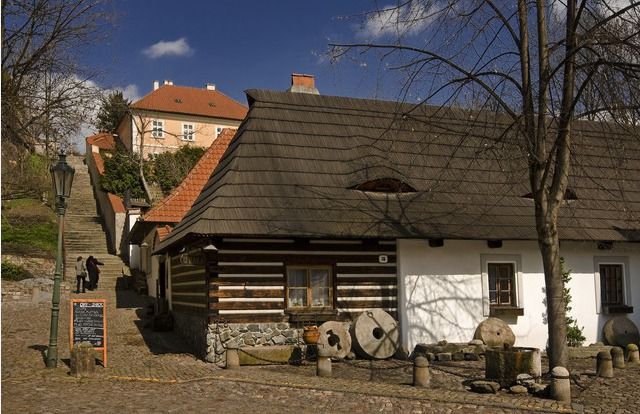
Once you are moving, the Old Town portion is about getting oriented in a way that feels real. You do not just pass famous buildings. Your guide leads you through quieter alleys and side streets, the kind of lanes that make Prague feel like it has secrets, even when you are in the most visited area.
The best part is how the guide ties the visuals to the stories. Expect the golden age of Bohemia under King Charles IV to show up in the way the city developed and why certain parts look the way they do. Then Rudolf II and his alchemists enter the conversation, which gives you a different way to look at symbolism in buildings and old-world ambition.
One review highlighted how guide Yva took the group through small, peaceful streets and kept the information generous and well connected. That is exactly what you want from an Old Town walk. If you are paying for a guided tour, you want the guide to help you notice patterns, not just point and move on.
Practical note: wear shoes you trust. This section is mostly on foot, with enough turning and stepping that flip-flops or slick soles can turn into a distraction.
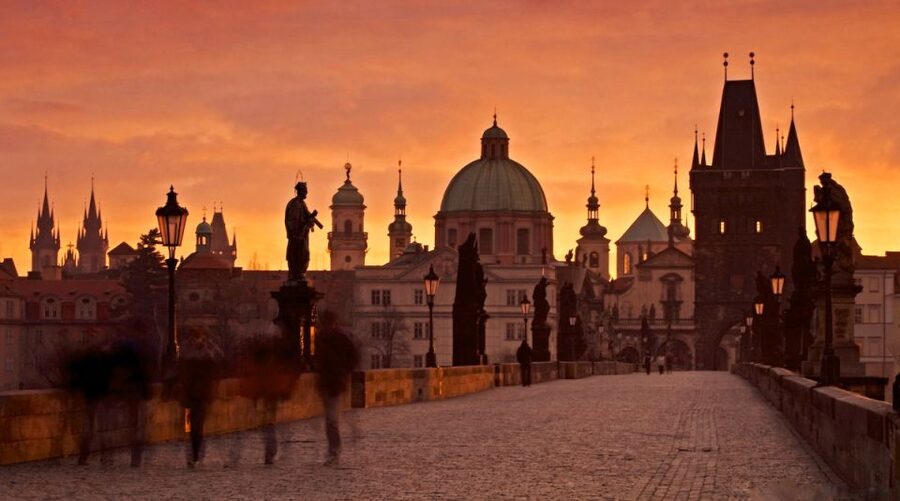
Charles Bridge: the moment the city clicks
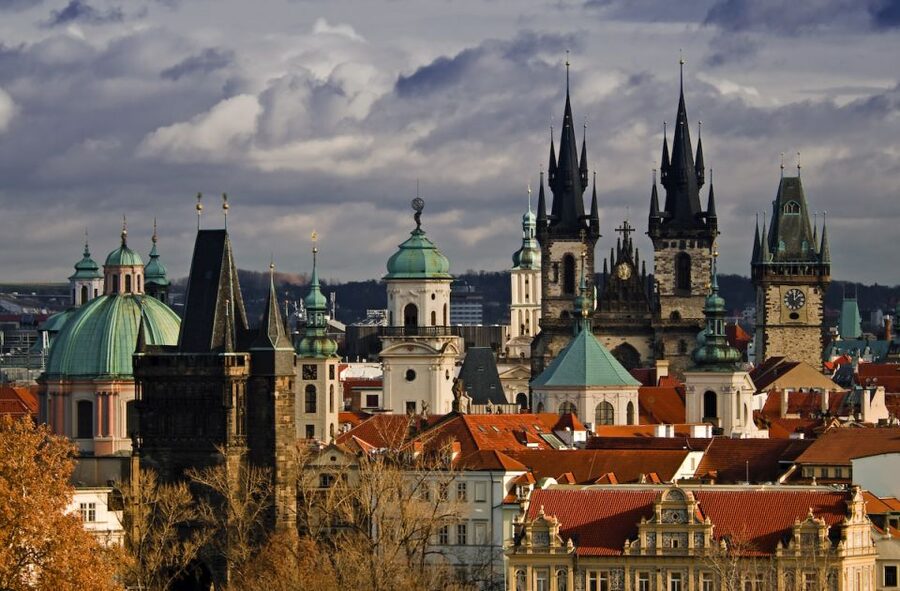
Charles Bridge is one of those places where you can stand for ten minutes and still not really understand it, unless someone gives you a framework. On this tour, you reach it as part of a larger arc, so it feels like a chapter, not a random photo stop.
The value here is that the guide keeps the story moving. You are hearing about the golden era, then later jumps in time start to make the streets feel like living layers. By the time you get to the bridge, you are primed to look at how Prague built its identity over centuries.
This is also where you get a helpful reality check for first-timers. Prague can feel like one long scenic stretch. A good guide helps you break it into meaningful sections, and Charles Bridge is the hinge between them.
If crowds bother you, arriving with a guided plan can reduce aimless waiting. You will still see people because it is Charles Bridge, but at least you are not standing there wondering what you are supposed to do next.
Malá Strana: the quieter neighborhood feel
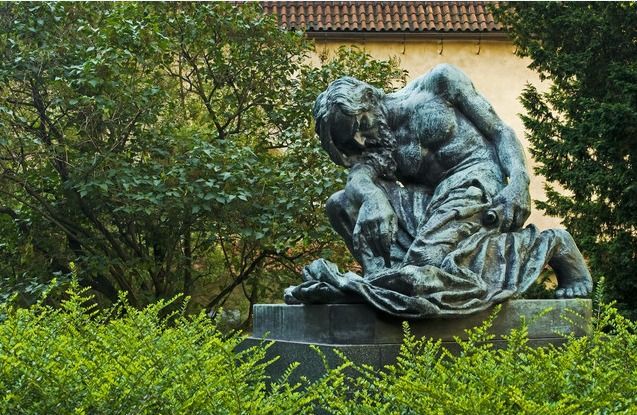
After Charles Bridge, you shift into Malá Strana, and the atmosphere changes in a noticeable way. Even if you are not clocking every building name, you start feeling the neighborhood character: more residential, more intimate, and often calmer than the loudest central corridors.
This is where I like the logic of the route. Old Town teaches you how Prague shows itself. Malá Strana teaches you how Prague lives. Your guide brings that to life through the way they speak about different periods, including the way daily life looked during the communist regime and how moments like the Prague Spring changed people’s expectations.
Then, the story widens to the Prague Spring and the euphoria of the Velvet Revolution. That part can be emotional, but it is also practical, because it explains why the city’s public spaces and symbols matter. When you understand that, you walk differently through the streets.
And when you hear about cubism, you have a reason to pay attention to the geometry and attitude in certain corners. Even if you are not a design expert, the guide makes it feel like a lens, not a lecture.
Tram and boat segments for faster, smarter orientation
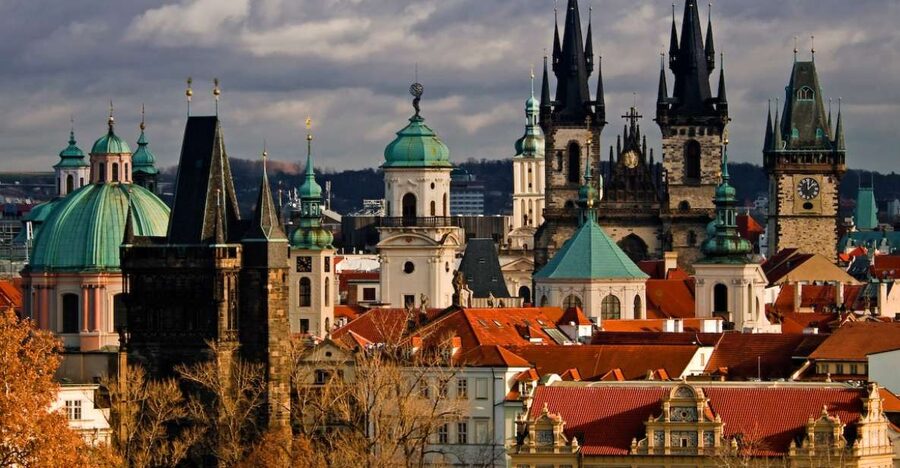
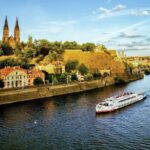
One of the smartest features here is variety. You get on foot, but you are not walking every single minute. You also travel by tram and by boat as part of the guided experience.
That mix matters for two reasons. First, it reduces fatigue during a 210-minute tour, so you can actually enjoy the stops instead of just surviving them. Second, the tram and boat moments help you see Prague from different angles. Even without turning this into a photo contest, you start forming a map in your head.
If you are the type who gets lost easily, this is one of the best ways to help your brain create connections. Walking gives you detail. Tram and boat give you structure and distance.
The drawback to keep in mind is that these transit segments can affect how flexible you feel with time. If you have strict mobility needs, you will want to pace yourself and tell your guide what works for you, since the route is guided and you are a group.
The refreshment break: Czech food, cubism, and beer talk
This tour includes a refreshment break with a snack and a drink. In a city that can snack you into a budget spiral, I appreciate that it is part of the plan, so you are not hunting for a place while you are hungry.
The conversation during this break is also part of the value. You will hear about cubism and beer, and you can enjoy a taste of Czech cuisine alongside the talk. That blend, history plus food, is where this kind of tour becomes more memorable than just ticking off landmarks.
Also, this break is not a random pause. It is timed to keep you engaged after the walking sections and before the final neighborhood impressions settle in. The group format helps too, because small groups make the break feel conversational rather than awkward.
Food tip for you: take a breath and slow down for a minute. Prague tours are often so information-heavy that people skip hydration and then feel off their game later. Use the break as your reset button.
Price, group size, and what your $77 actually buys
At $77 per person for 210 minutes, the real question is what you get beyond the sightseeing list. Here, you get four important value pieces.
First, you get a live guide in French only, with enough time to build the stories around what you see. Second, it is a small group, up to 20 people, which keeps the tour from feeling like a moving classroom with one-way questions. Third, you get an included snack and drink, so you are not forced to spend extra just to get through the middle. Fourth, you get movement variety, walking plus tram and boat, which helps you cover more ground in a short time.
What you do not get is also important. There is no hotel pickup or drop-off. That is normal, but it means you should plan to reach the meeting point without stress.
If you prefer a self-guided day, you might think $77 is too much. But if you want a fast first-pass orientation with story context, this price feels reasonable because the guide is doing the heavy lifting.
Getting there: Republic Square, tram lines, and finding your guide
The meeting point is in front of the Powder Tower and the Municipal House. You reach it via Metro line B or the Yellow Line, or tram lines 5, 8, and 14 at Náměstí Republiky, also known as Republic Square.
If you like arriving early and settling in, do it. That buffer helps you spot the guide holding the white umbrella with the supplier’s logo and avoids the classic last-minute scramble.
One more practical note: because it is a guided tour, you cannot assume you can pause and stroll at will. You can ask your guide questions, which is great, but you are still moving as a group.
Who this Prague essentials tour fits best
This is a great match if you want a structured Prague introduction and you like learning as you walk. The focus on Old Town and Malá Strana makes it feel classic, while the tram and boat pieces keep the pacing varied.
I would especially recommend it if:
- You are visiting for the first time and you want to understand what you are looking at.
- You enjoy history stories that connect time periods to real street scenes.
- You like small group tours where you can actually ask questions.
- You want an experience that includes a practical snack break.
If you do not speak French well, or you expect to rely on English, this is the wrong format. The tour is French only, and the whole point is that the guide’s explanations are part of the experience.
Should you book this Prague essentials tour?
I think you should book this if your priority is smart orientation plus story-driven sightseeing in a compact 210 minutes. The small group size, the included snack and drink, and the mix of walking with tram and boat add up to more than a simple landmark tour.
Skip it if you want an English-language experience, or if you hate being guided through a set route. In Prague, that choice is personal.
If you do choose it, go in with one mindset: treat it like your first map of the city. You will leave with the feeling that Prague has a timeline you can actually see, not just a list of pretty stops.